

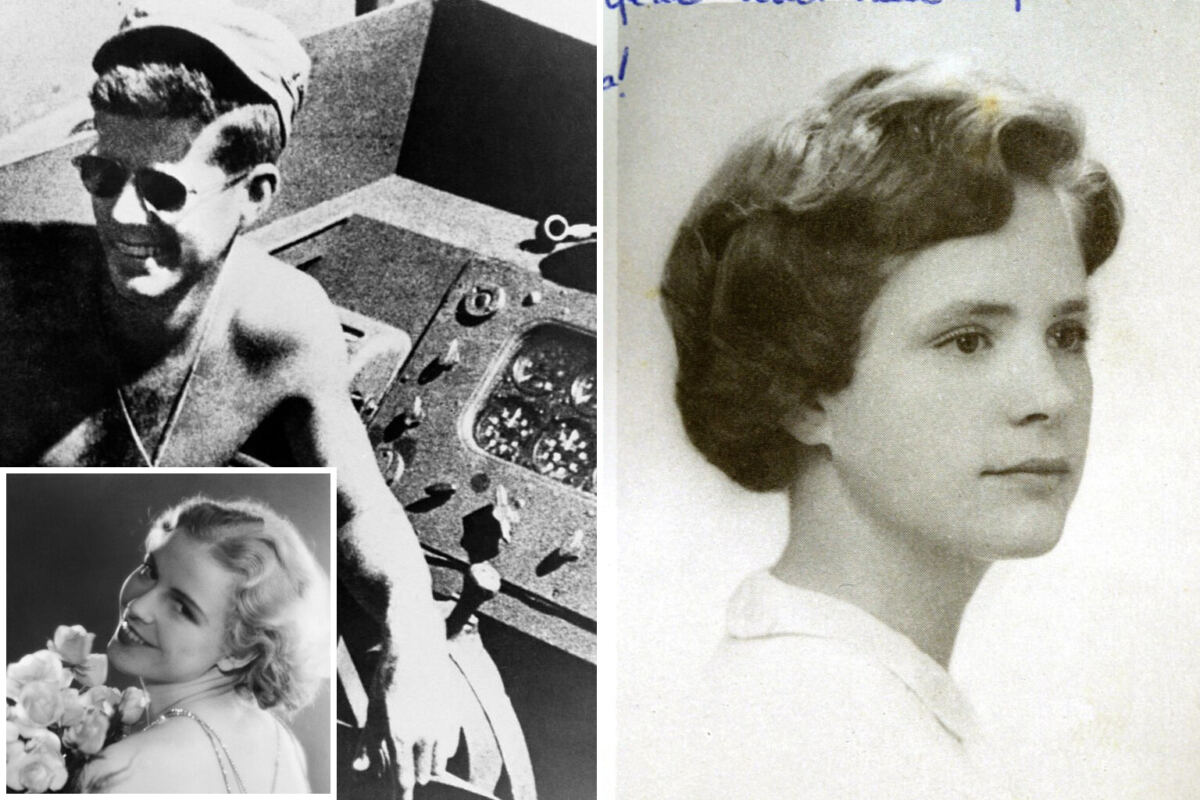
A new book by Laurence Leamer maps John F. Kennedy’s sexual relationships from prep school through the presidency, including an affair with a teenage White House intern in his wife’s bedroom.
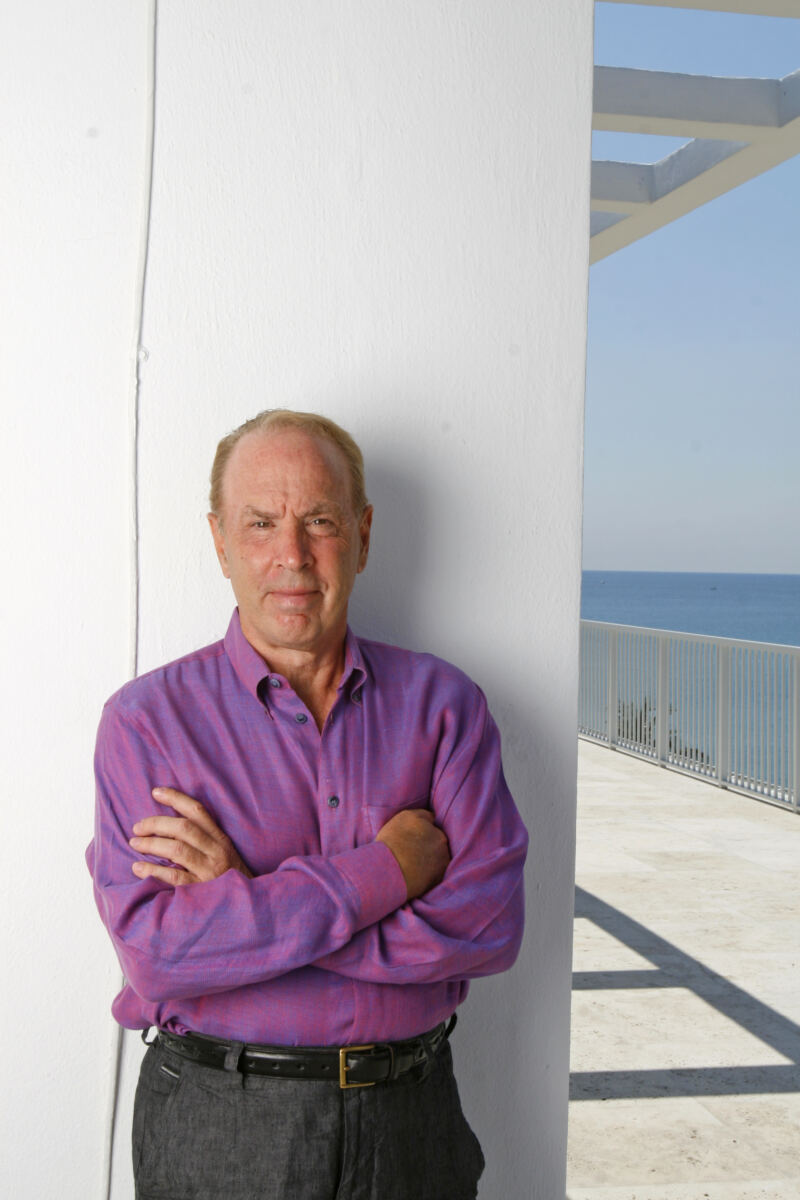
“Ladies’ Man: The Careless Heart of John F. Kennedy,” by Leamer, 82, who previously wrote “Capote’s Women” and “Hitchcock’s Blondes,” traces the 35th president’s encounters starting at age 17 at Choate, a Connecticut prep school. The sheer volume of women and incidents Leamer includes makes the book astonishing for scope if not edification, according to coverage of the work.
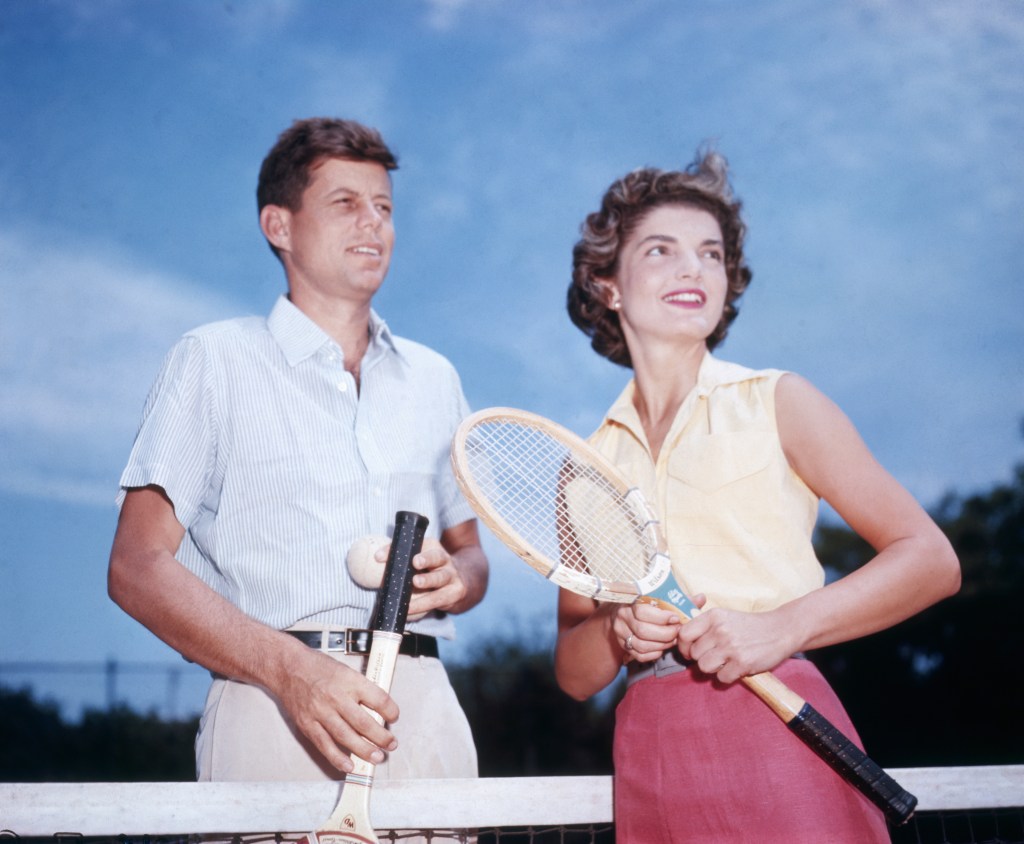
Kennedy’s secret was keeping encounters brief and affairs short-lived. Those around him knew of his brazen promiscuity, but the general public remained oblivious during his lifetime. He never faced consequences for behavior that was not merely unbecoming but downright scuzzy.
The Katers — Leonard and Florence, a devout Catholic couple — made the only serious attempt to expose Kennedy’s proclivities while he was alive. They rented a room in their Georgetown townhouse to Pamela Turnure, 21, who worked as a receptionist in Kennedy’s office. When they realized in 1958 that the senator was making illicit nighttime visits to Turnure, they confronted him and snapped a photo of him exiting the house, furious that he was passing himself off to voters as a good Christian.
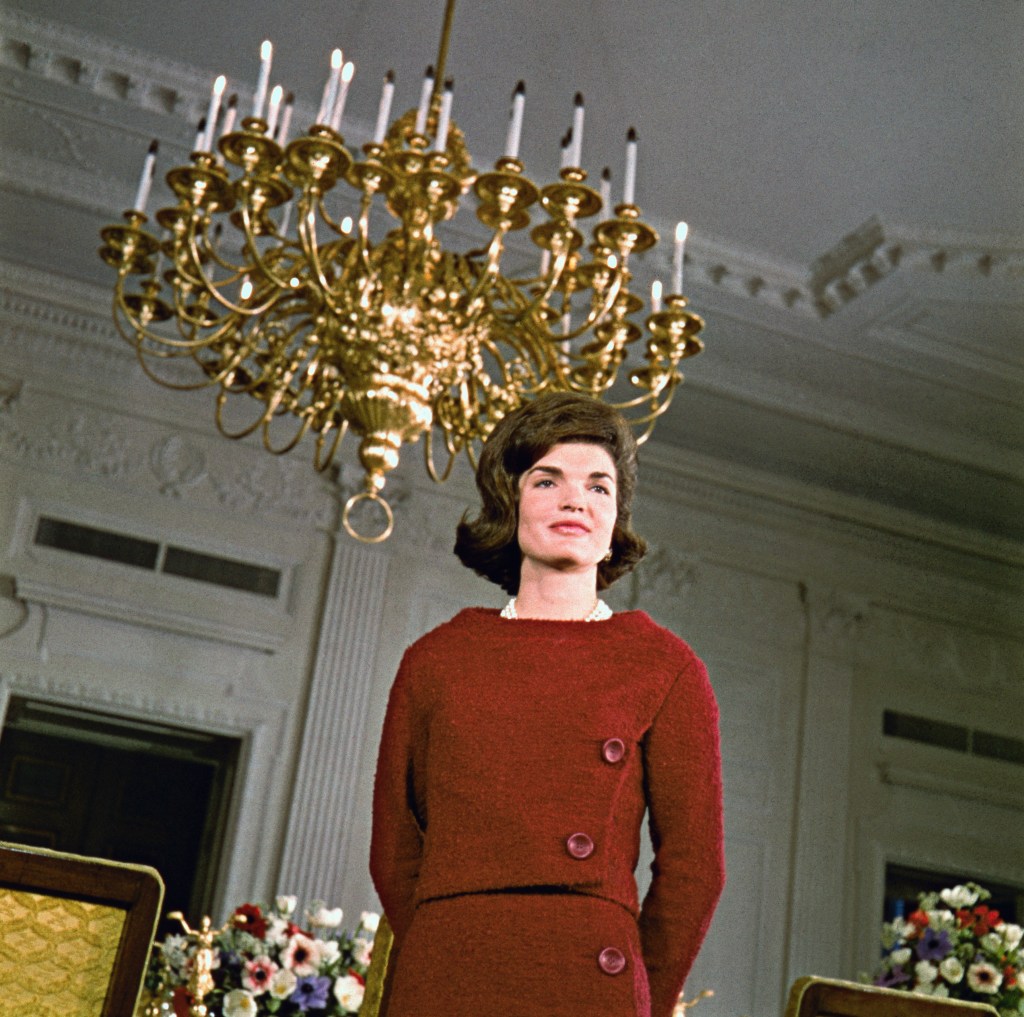
The Katers contacted the FBI, sent letters and the photo to various newspapers, and Florence picketed the White House. Kennedy’s aides, who adored him, worked hard to discredit and sideline the couple. Leamer told the Post that “also, it was a different, more deferential era.” If Kennedy had lived to run for re-election in 1964, Leamer believes his sexual exploits may well have come to light along with his very poor health.
These two secrets — that Kennedy would try to bed any attractive woman in his orbit, and that he suffered from severe chronic health problems — were linked. “He never wanted to think of himself as sickly,” Leamer explained. “Sex was a way of expressing his vitality.”
Plus, Kennedy relished the danger. “He was always reckless from the time he was young,” Leamer said. “He got off on taking incredible risks.”
Among the most disturbing episodes was Kennedy’s treatment of Mimi Beardsley, a 19-year-old White House intern in 1962. Kennedy dispatched with her virginity in his wife’s bedroom while ostensibly giving her a private tour of the White House. Beardsley subsequently swam with him in the White House pool, stayed overnight when the First Lady was away, and accompanied him on overseas trips. White House staffers recognized the role this intern with scant secretarial skills was playing, and journalists saw Beardsley slipping out of Air Force One. Even so, the secret held for 40 years.
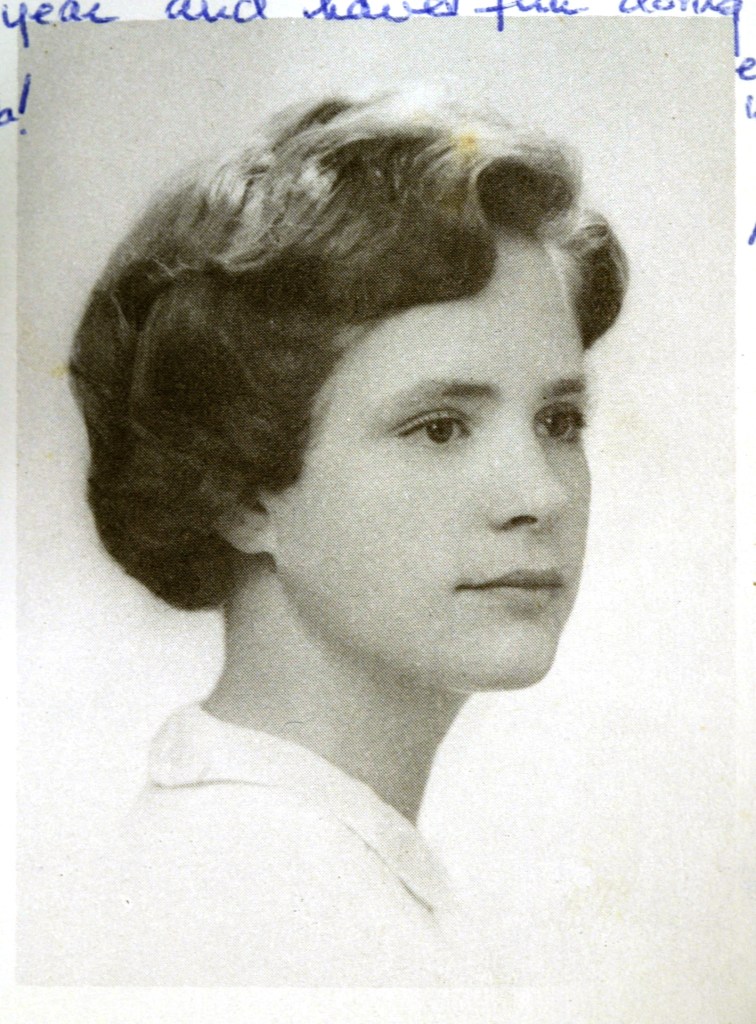
Other young women were treated with similar callousness. Kennedy picked up Diana de Vegh, then a junior at Radcliffe College, at a campaign fundraising dinner in Boston in 1958. The candidate, prowling the ballroom, spotted her and asked her date to give up his seat “so a tired old man can sit next to a pretty girl.” De Vegh was flattered, not anticipating that a couple of weeks later, after she’d accompanied him to other campaign events, he’d take her to his Boston apartment for “quick and efficient” sex. For several years Kennedy continued to hook up with de Vegh, and arranged a job for her in the White House after he was elected. He’d hint that he’d like to be introduced to some of her friends. She refused, but otherwise always came when he called.
“Back then, I thought my job was to become pleasing, an enabling acolyte to a master of the universe,” de Vegh explained to Leamer.
Leamer makes the case that two Scandinavians captured Kennedy’s heart — at least for a time. Inga Arvad, a sophisticated Danish journalist, met Kennedy in November 1941 through his sister Kathleen, her colleague at the Washington Times-Herald. Then 24 and a naval ensign, Kennedy fell hard for the 28-year-old Arvad, and their letters reveal a passionate and confiding intimacy. “She came to understand him in ways no one else in his life ever had, to see him in all his flawed and fractured glory,” Leamer writes of Arvad. “As for Jack, he opened himself up to Arvad, exposing every emotion and concern.”
Arvad was married, though estranged, from her second husband, movie director Paul Fejos. More problematic were her links to Adolf Hitler, whom she had met and interviewed in Berlin. The German leader praised her as the perfect example of Nordic beauty, and she was photographed sitting next to Hitler in his box during the 1936 Olympics. After Pearl Harbor, the FBI investigated Arvad as a possible spy and recorded her hotel meet-ups and phone calls with Kennedy in South Carolina. Kennedy’s father disapproved, and the couple broke up in March 1942.
Gunilla von Post, a 21-year-old Swedish aristocrat, met then-Senator Kennedy when she and a friend were hitchhiking on the Cote d’Azur in July 1953. Kennedy, due to wed Jacqueline Bouvier two months later, was indulging in a last solo jaunt as a bachelor. The foursome went to dinner and dancing. As the band played “I Love Paris,” Kennedy crooned the words into von Post’s ear. Later, standing on a cliff overlooking the Mediterranean, he declared: “I fell in love with you tonight.”
Then he confessed he was heading back to America to be married. Von Post sent him away when he asked to come in for a nightcap, but Kennedy continued to pursue her, writing from his Senate office. He contrived to travel to Sweden two years later, with friend Torbert Macdonald as beard, to spend a week with her while wife Jackie, who had nursed him through back surgery, stayed home. Von Post, later a neighbor of Leamer’s in Palm Beach, told the author that their time together was “one of the few weeks in [his] life that he was free as a bird.” Von Post’s mother blocked his plan to install her at Manhattan’s Carlyle Hotel. They met once more by chance at a Waldorf Astoria banquet in 1958. Von Post waited until Jacqueline Onassis died in 1994 before publishing her memoir “Love, Jack.”