

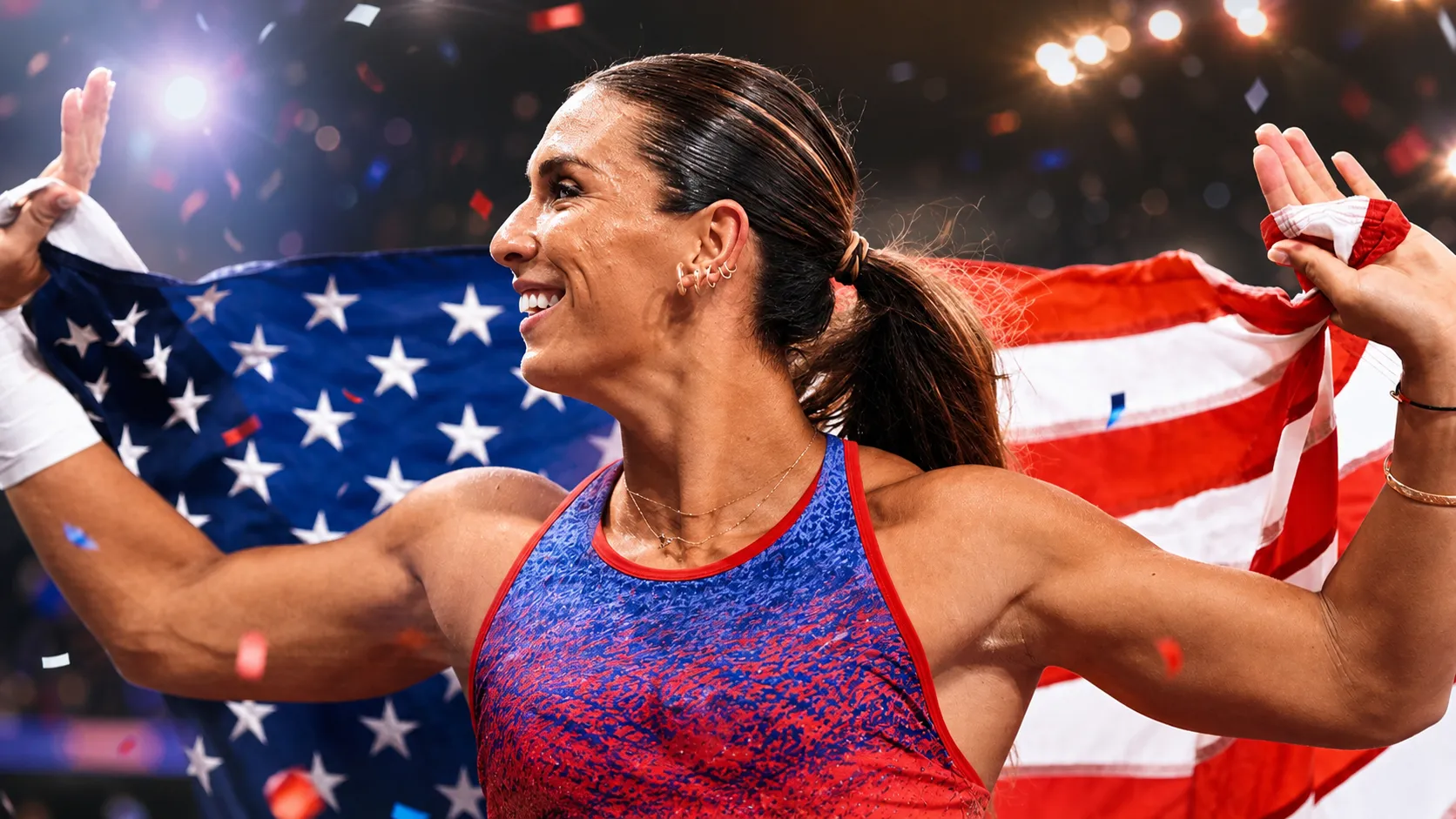
Broadcasters covering women’s sport are being advised to rethink how events are filmed, with new rules aimed at reducing camera angles that can appear overly sexualized. The guidance, published by the European Broadcasting Union in June 2026, has already prompted a divided response online.
The updated recommendations from the European Broadcasting Union focus on a simple principle: coverage should highlight athletes’ skill and performance rather than using shots that draw attention elsewhere.
The 23-page guidance, called ‘Raising the Bar’, was developed with European Athletics and draws on the first-hand experiences of Olympians Holly Bradshaw, Ivana Španović and Blanka Vlašić. It does not suggest reducing airtime for women’s competitions. Instead, it encourages producers and camera crews to be more deliberate in how footage is captured and edited.
That includes cutting back on close-up rear angles, avoiding upward-facing shots, and being more selective with slow-motion replays that do little to enhance viewers’ understanding of the action.
The recommendations cover a range of disciplines, including high jump, pole vault, horizontal jumps, and running events.
The EBU says the same principles can apply to both large-scale broadcasts and smaller crews working with fewer cameras and limited resources. Its guidance also argues that the most effective angles for showing technique and emotion are often the ones that present athletes with dignity and respect.
Glen Killane, executive director of EBU Sport, said: “These choices carry profound implications. They shape audience perception by diverting attention from the remarkable achievements and technical skills of women athletes, and risk perpetuating harmful stereotypes.”
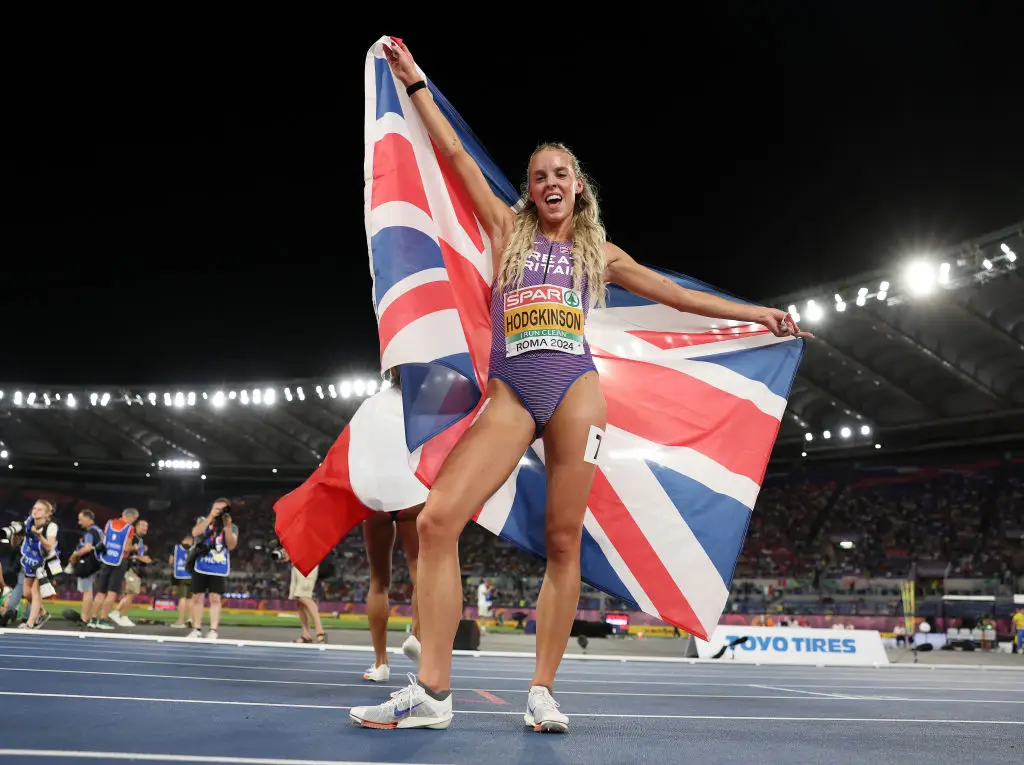
For track events, the report specifically advises against extremely tight camera shots from behind or below, especially at the start line and in the immediate aftermath of a race when competitors may be visibly exhausted.
The guidance says broadcasters should avoid framing that can make athletes appear exposed or objectified, and instead prioritize wide and side-on shots that better reflect the scale, speed and technical demands of the event.
Even so, the shift has drawn criticism from some social media users who argued the changes go too far.
“With all due respect why not just give female athletes longer shorts,” one proposed on X.
As another sarcastically wrote: “You basically killed any interest in female sports.”
A third added: “Or just have women wear some clothes when they compete, is it really necessary for women to constantly just wear underwear when playing sports.”
The report pushes back on the idea that the guidance is restrictive, stating: “This is not a list of restrictions. The report demonstrates how the most compromising shots can be avoided with no loss of storytelling or visual quality.”
It also says the purpose is to set a clearer editorial standard for broadcasters, directors and camera operators, rather than to limit coverage or change the nature of athletics broadcasts.
Olympic pole vaulter Holly Bradshaw also addressed the wider impact such footage can have beyond the live broadcast itself.
Writing in the report, she explained: “How our sport is displayed during live broadcast can be incredibly powerful yet sometimes harmful to the women competing and the women/girls watching.
“I first-hand have received social media abuse and witnessed inappropriate videos online of myself and colleagues when slow-motion content of us competing is captured.”
Bradshaw also said that becoming aware of where cameras are positioned in real time can be distracting and unsettling before an event begins.
The new guidance arrives as the EBU continues to expand its collaboration with European Athletics, with the two organizations recently extending their long-running partnership through to 2031.