


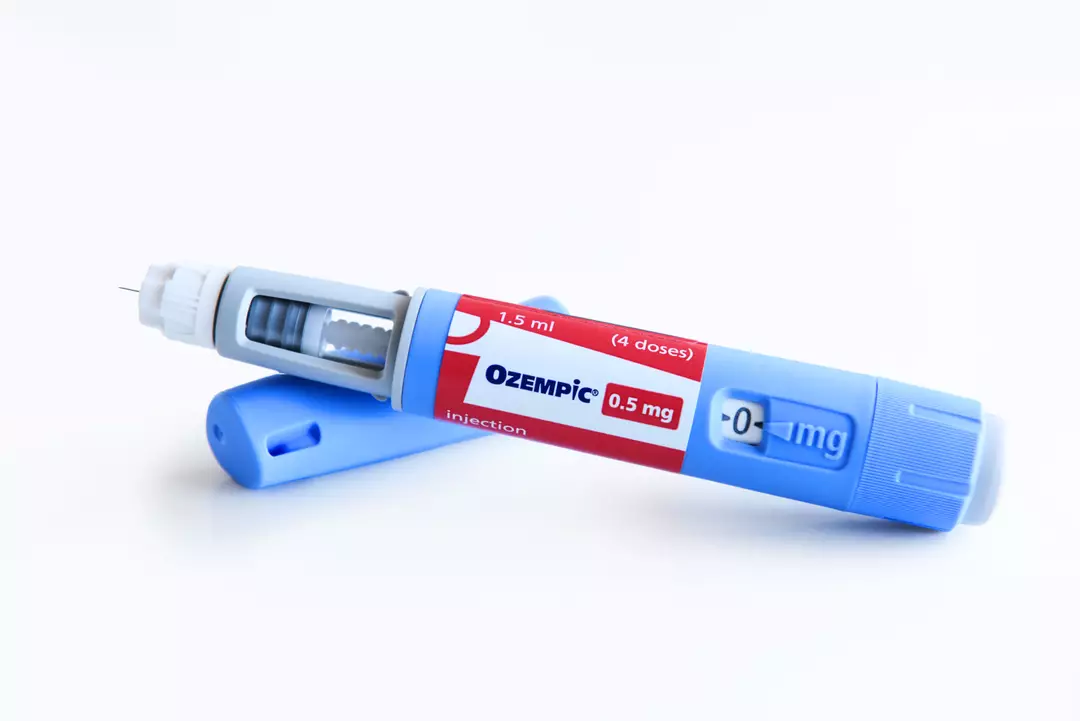
A widely shared simulation video has illustrated how Ozempic may contribute to weight loss, even though the medication is not approved in the US specifically for that purpose.
Ozempic is a GLP-1 medication originally developed to help manage type 2 diabetes. In the United States, it is approved to improve blood sugar in adults with type 2 diabetes and to reduce the risk of major cardiovascular events in certain patients with type 2 diabetes and heart disease, but not as a standalone weight-loss drug.
That distinction has mattered even more as demand for GLP-1 medicines has surged. The broader category has been so popular that it has driven shortages, fueled a market for compounded and counterfeit products, and pushed companies and regulators to warn consumers to use only FDA-approved versions from legitimate pharmacies.
Novo Nordisk has repeatedly said the drug ‘is not a weight loss drug’ and instead ‘a medicine for adults with type 2 diabetes’.
A viral clip from Zack D. Films attempted to show how the injection can reduce body weight, while also highlighting some of the harsher side effects linked to its use.
According to the simulation, Ozempic helps by suppressing appetite, making people feel less hungry throughout the day.
That can lead to eating less overall and, when paired with regular exercise, may put someone into a calorie deficit, meaning they burn more calories than they consume.
In turn, that deficit can result in faster weight loss.
“Once Ozempic is in your bloodstream, it activates the parts of the brain that make you feel full, reducing your appetite.
“It also stabilises your blood sugar, stopping sudden cravings.
“Then it slows down how fast your stomach empties food, which keeps you feeling full for longer after a meal.”
The video then added:
“This causes you to lose weight as you eat less.
“But it can make some people feel sick and even give them diarrhoea.”
The clip ended with a graphic depiction of side effects associated with Ozempic, including the animated character appearing to literally ‘s*******’ himself.
Other possible effects have also been raised by experts. Dr Ben Bickman, a scientist and professor at Brigham Young University in Utah, said weight loss on these drugs can include a reduction in muscle mass.
“You have a substantial amount of lean mass that’s getting loss as the person is losing weight. To make that clear, for every ten pounds of weight loss, only six is fat – four of it is coming from non-fat sources like muscle and bone,” he told Thomas DeLauer.
“While muscle and bone mass might never return, the body has no trouble regaining fat mass.
“What’s more, one study found that one version of these drugs, actually stimulates the production of new fat cells.”
Research has suggested that GLP-1 medications can help people lose around 10 to 15 percent of their total body weight over the course of a year on average, while the strongest options may reach about 20 percent. In March 2026, the FDA also approved a higher-dose version of Wegovy, called Wegovy HD, for certain adults, underscoring how quickly the market for obesity treatment continues to expand.
Liraglutide (Saxenda), semaglutide (Wegovy), and tirzepatide (Zepbound) are all approved by the FDA for weight loss.
The FDA has said the semaglutide shortage that began in 2022 was resolved in February 2025, but it has continued to warn about unapproved, compounded, and counterfeit GLP-1 products, especially as consumer demand remains high.