


Fresh research following people taking weight-loss injections such as Ozempic and Wegovy has revealed internal changes that extend well beyond pounds lost, and some of the results have surprised specialists.
Over the past two years, GLP-1 medications have become central to the discussion around medical weight loss, with most of the focus landing on how much body weight people can shed.
Instead of concentrating on appearance-based results, wearable tech firm WHOOP examined what was happening physiologically, using data tied to heart rate, sleep and recovery.
The company’s performance science team reviewed information from 132 WHOOP members gathered between November 7, 2023, and April 16, 2024. That group included 66 people taking a GLP-1 drug and 66 matched participants who were not using one.
The research lasted 12 weeks, with causal inference methods used to help distinguish the effects of the medication from ordinary daily fluctuations.
The results were peer-reviewed and published in the American Journal of Physiology, Heart and Circulatory Physiology. They are being described as some of the earliest real-world evidence exploring how GLP-1 treatment interacts with physical activity outside lab settings or tightly controlled clinical trials.
The findings also fit with a wider pattern already noted in prescribing information and other research: GLP-1 medicines, including semaglutide, have been associated with small increases in resting heart rate, and labels for some products advise clinicians to monitor for a sustained rise. At the same time, broader cardiovascular research has generally found that GLP-1 therapies can reduce major heart-related events in people with obesity and/or type 2 diabetes, so the class is increasingly viewed as having both benefits and trade-offs that deserve monitoring.
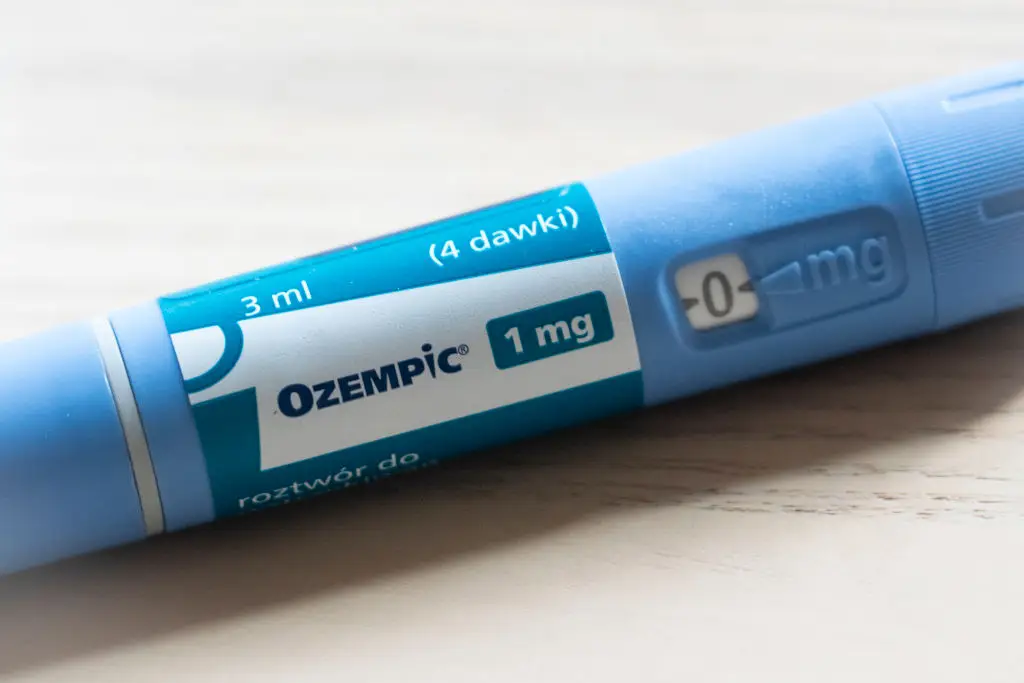
The clearest result was the drop in body weight. According to WHOOP, 90 per cent of GLP-1 users in the study lost at least five per cent of their body weight during the 12-week period, while the average participant lost 10 per cent overall. The company says those figures are higher than the weight-loss outcomes commonly reported in pharmaceutical trials involving the same drugs.
However, the wearables also detected changes unrelated to the scale. Over the course of the study, people taking GLP-1 medications recorded an average rise of three beats per minute in resting heart rate, along with a six millisecond fall in heart rate variability.
That combination, increasing resting heart rate and declining heart rate variability, is often interpreted as a sign of greater cardiovascular strain, even as the medication produces meaningful weight loss.
WHOOP says the result highlights heart-health markers that should be watched carefully when someone begins GLP-1 treatment, rather than focusing only on how much weight comes off.

The same dataset also pointed to a more positive takeaway.
On average, those using GLP-1 drugs increased their physical activity by 30 minutes per week. Participants who were more active also experienced smaller rises in resting heart rate than those who exercised less.
WHOOP says this may be the first real-world evidence indicating that regular activity could help offset some of the cardiovascular side effects linked to GLP-1 therapy, rather than simply serving as broad lifestyle advice.
Strength training may be particularly important as well. Based on WHOOP’s guidance, GLP-1 treatments can contribute to a loss of lean muscle mass if people are not following an active resistance-training routine. Because of that, the company advises combining any GLP-1 prescription with strength work and lean-mass monitoring, instead of relying on cardio alone.
That concern has also become more prominent as newer research continues to examine how much muscle and fat are lost during GLP-1 treatment, and whether exercise can help preserve lean mass while the scale is moving quickly in the right direction.
WHOOP has also added GLP-1 use to the more than 300 behaviours tracked through its Journal feature. That means members taking the medication can monitor how their weight, resting heart rate, heart rate variability and activity levels shift together from week to week, rather than judging progress by feel alone.
The findings arrive as GLP-1 medications continue to spread in use across the world, with millions of people now taking them for weight loss as well as other medical needs.