

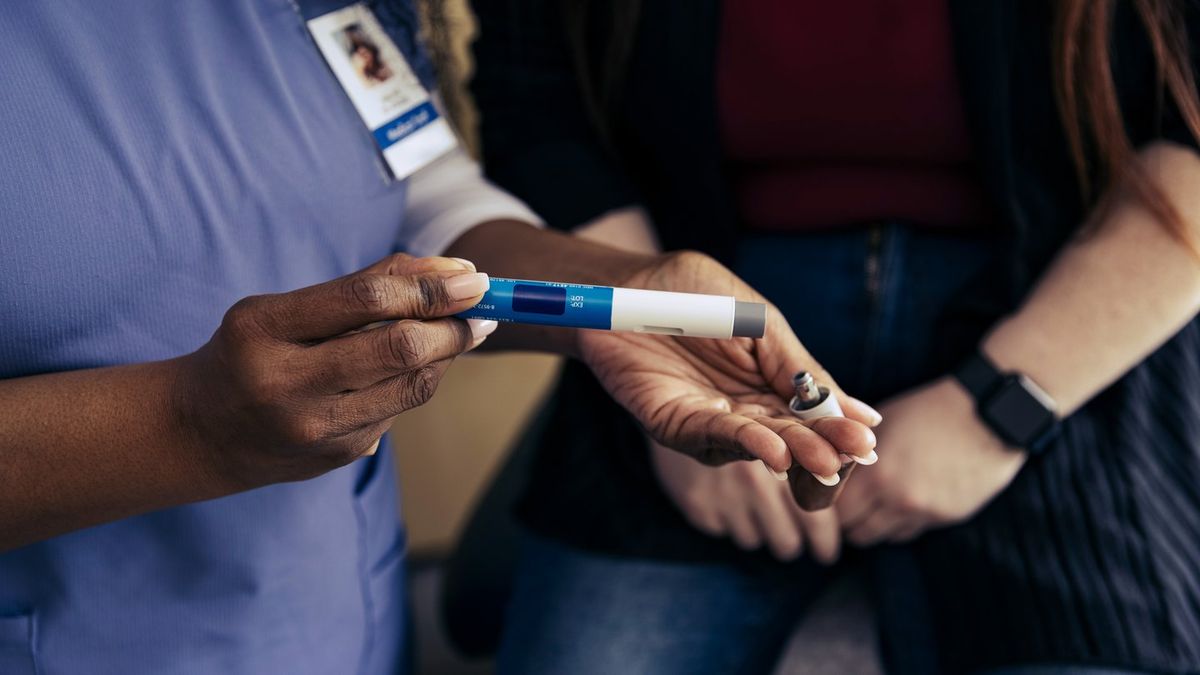
A new study has looked into which groups of people are most likely to turn to weight loss injections.
GLP-1 medications have surged in public awareness and use in recent months.
These drugs were initially approved to help manage diabetes, as they reduce blood sugar levels.
They can also curb appetite, helping people feel fuller after eating the same amount of food.
Alongside a balanced diet and consistent exercise, that effect can support people working towards weight loss.
Now, new research has highlighted who is using these medications most often — and the pattern may be unexpected.
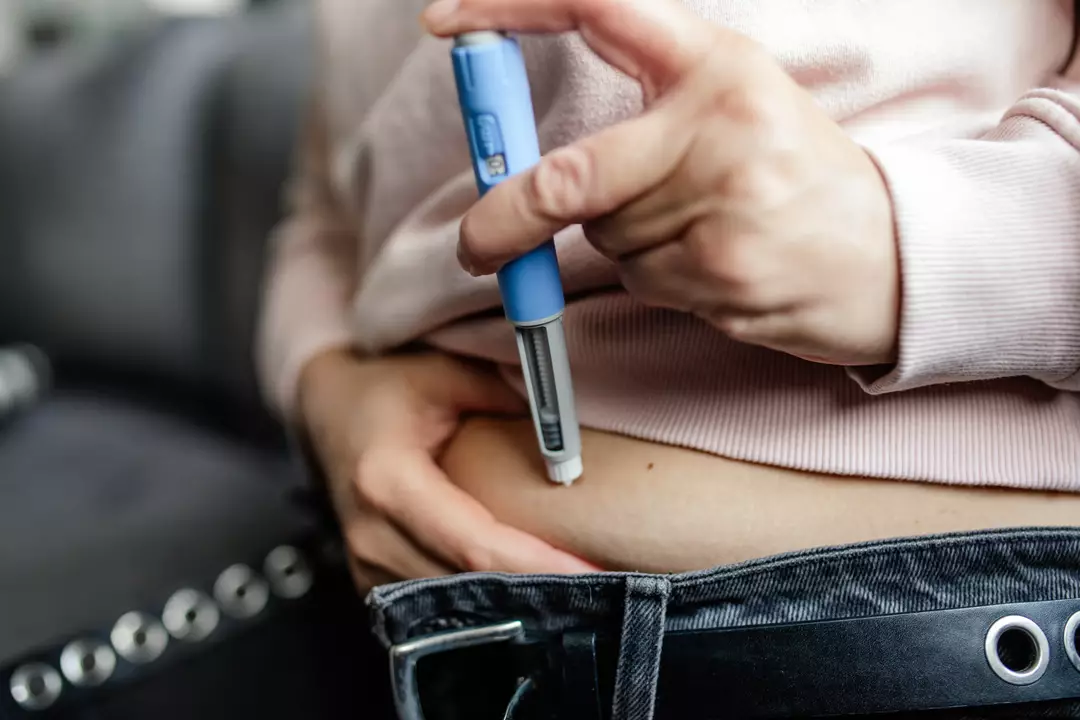
According to the study, the people most likely to use GLP-1 drugs for weight loss tend to come from groups with lower overall obesity rates.
The researchers found that more affluent people are more likely to access GLP-1 medication to lose weight, despite wealthier communities generally having lower levels of obesity.
This suggests that those who could potentially benefit the most may be less able to obtain the treatment.
Samantha Field, a senior fellow in prevention at the Health Foundation, co-authored the research.
She said: “The groups bearing the greatest burden of obesity are seeking GLP-1 treatments less frequently, and often at higher BMIs.”
The study also reported that people in less affluent areas were roughly a third less likely to be using the injections, even though obesity rates in those regions were about double those seen in more affluent places.
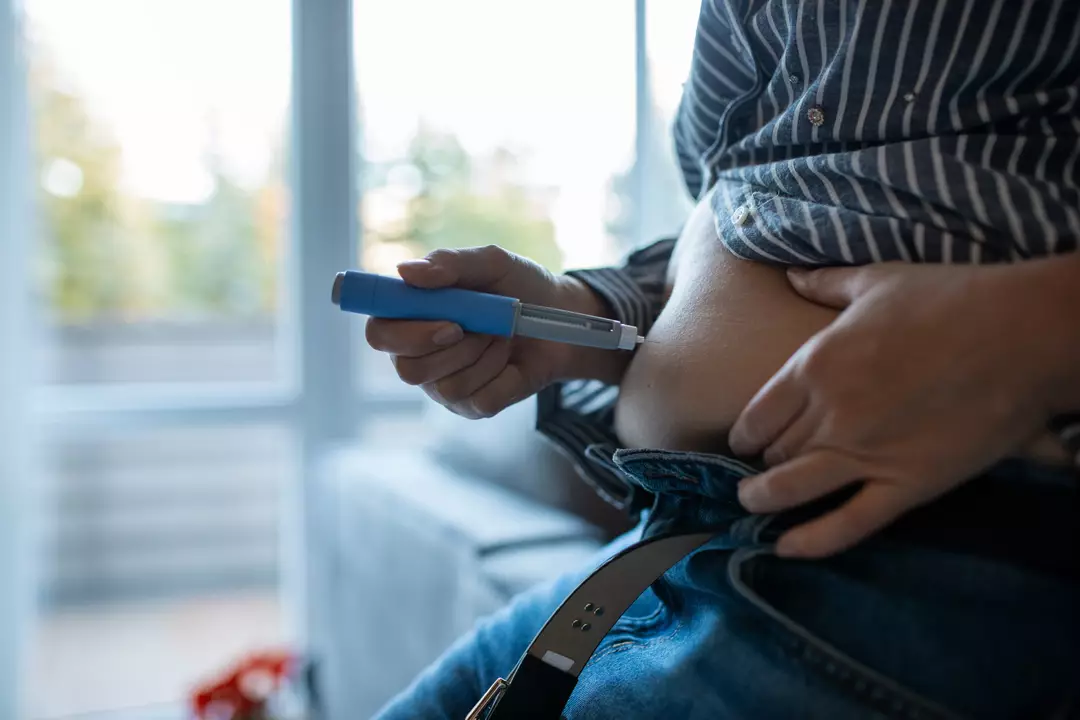
Field added: “The NHS [National Health Service] should be taking these findings into account as the rollout of these medications progresses, to ensure they are reaching the people who are most in need of them.
“Ensuring fair public provision is essential, but these medications address a problem that is preventable.
“It’s more important than ever that government retains focus on making the changes to our food environment that will prevent obesity occurring in the first place.”
So what other trends did the researchers identify?
The study found that close to 80 percent of prescriptions were issued to women.
By age, people between 30 and 49 were the most likely to use the medication, while uptake fell sharply among those aged over 60.