

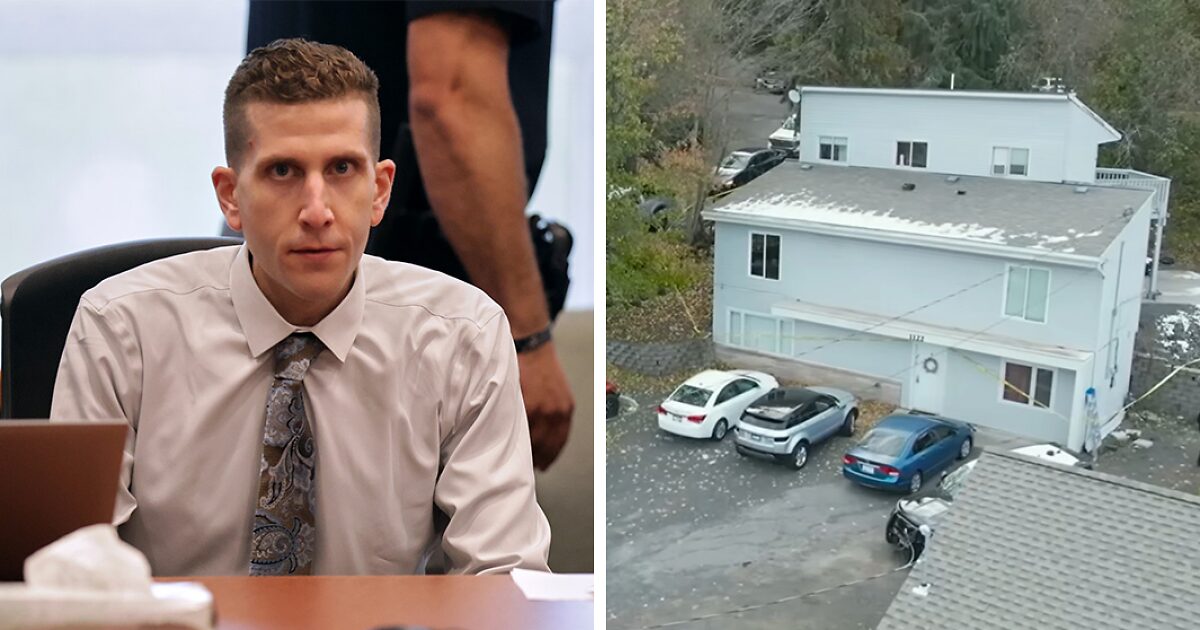
A troubling theory about why Bryan Kohberger targeted the house where he murdered four University of Idaho students has emerged from a new Netflix documentary, reigniting questions about the killer’s possible hatred toward women even as he remains silent about his motive.
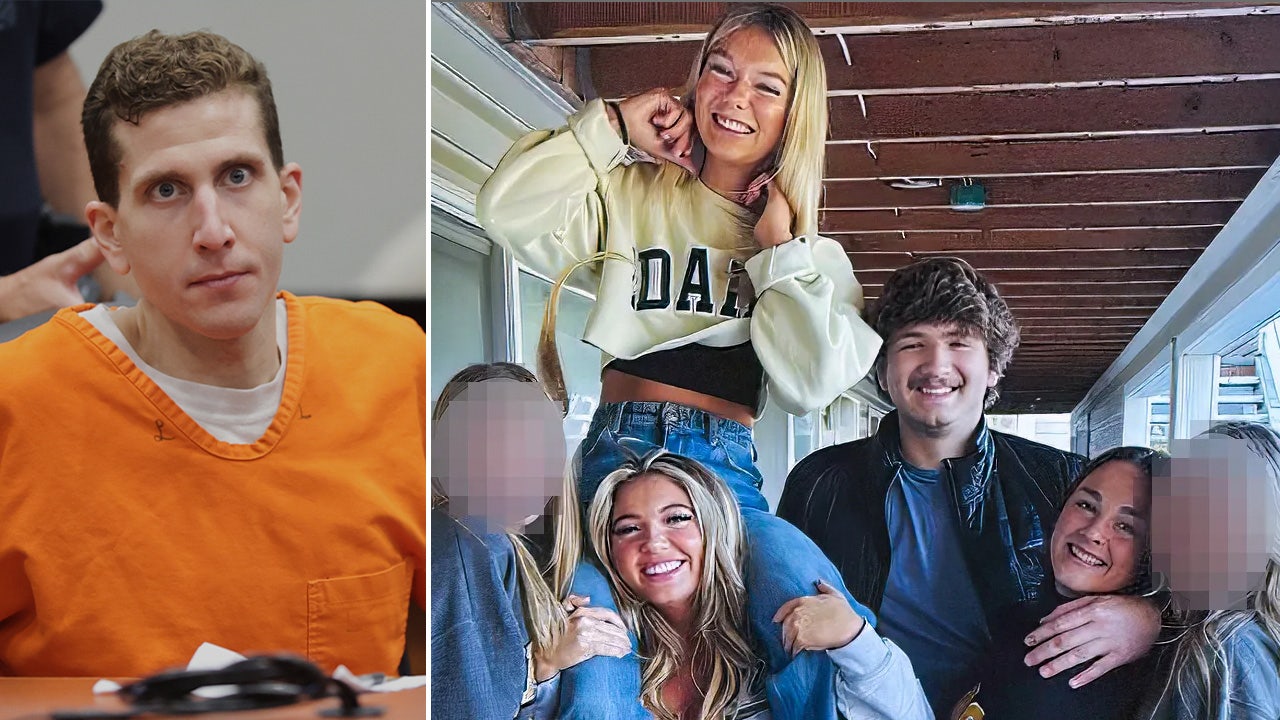
In the three-part docuseries “The Idaho Murders: College Nightmare,” released on Netflix on July 29, director Skye Borgman suggests that Kohberger may have deliberately chosen the off-campus King Road rental home specifically because it was occupied by five women. On the night of the murders, Xana Kernodle’s boyfriend Ethan Chapin was present, but the house was fundamentally a residence for young women. Borgman argues that this choice itself may be the most significant clue to understanding why Kohberger committed the crimes.
“The fact that this was the house that he chose. This was a house that had five women living in it,” Borgman said in the documentary, emphasizing that the location itself may have been deliberately targeted rather than chosen at random.
Investigators have long confirmed that Kohberger engaged in extensive surveillance of the property. Evidence showed that he drove past the King Road house repeatedly in the months leading up to the November 13, 2022 attack. According to Borgman, he appeared to have watched the home for days, weeks, and even months before the murders. Cell phone records indicated his device pinged off towers near the residence on at least 23 occasions, with all of those trips occurring after dark. In the early morning hours of the attack, surveillance footage captured his white Hyundai Elantra circling the neighborhood near the residence multiple times before he entered through a sliding glass door at approximately 4 a.m.
Yet despite this clear evidence of premeditation and targeted selection, Kohberger has never explained why he chose this particular house or these particular victims. When he pleaded guilty in July 2025 to the stabbing deaths of Kaylee Goncalves, Madison Mogen, Xana Kernodle, and Ethan Chapin, he provided only yes-or-no answers and offered no information about his motivation.
The theory linking the house selection to Kohberger’s apparent antipathy toward women is supported by accounts from those who knew him. Classmates described Kohberger as frequently speaking down to women, engaging in “mansplaining,” and becoming argumentative or aggressive during interactions. Several women who attended Washington State University, where he was pursuing a doctorate in criminology, reported unsettling encounters with him, including one woman who said he followed her to her car and spoke to her aggressively. Female students described finding him “creepy” and uncomfortable to be around.
One of Kohberger’s former classmates, Lilly Karaban, said in the documentary that Kohberger’s brutalization of the three female victims demonstrates his disdain for women. “People who brutalize women the way Kohberger did dislike them, find them threatening. So they take all that anger out on them,” she stated.
Despite these observations and the apparent pattern of hostility toward women, law enforcement has been cautious about attributing his crimes to incel ideology—an online community of predominantly men who blame women for their inability to find romantic or sexual partners. FBI Special Agent Ed Jacobson, who worked on the investigation, stated that “we never saw evidence that shows Bryan Kohberger is part of the incel movement.” Jacobson did note, however, that investigators believed Kohberger was exceptionally careful with his digital footprint and skilled at hiding his online activity.
Borgman stressed that her theory remains speculative, not proven fact. “It’s all conjecture,” she said, “but he seemed to struggle with his relationships with women.” She acknowledged the fundamental frustration that has haunted investigators and the victims’ families since the beginning: Kohberger himself may be the only person who truly knows why he committed these murders, and he has shown no inclination to share that information.
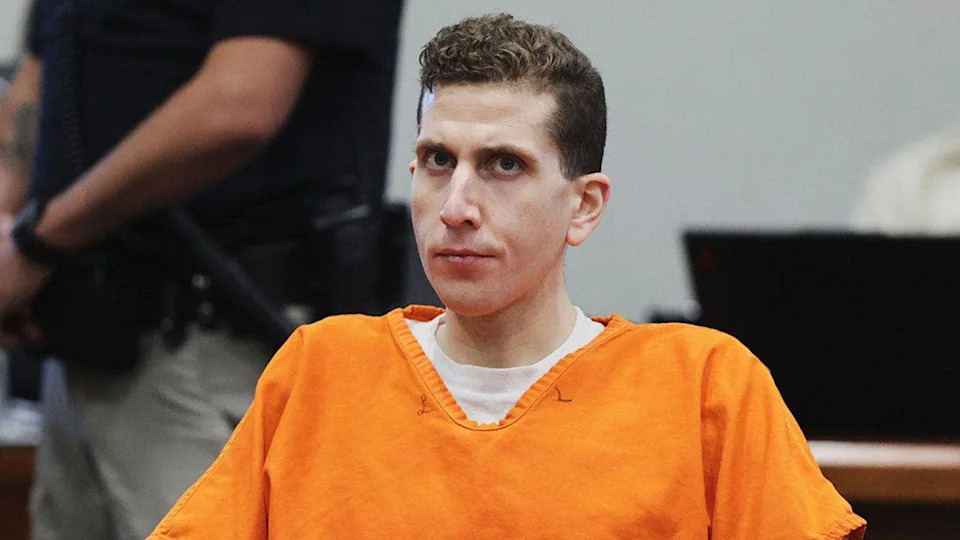
Moscow Police Chief Anthony Dahlinger echoed this uncertainty in the documentary: “We don’t know why. We don’t know why these four. We don’t know why this house. I don’t think we’ll ever know.”
Kohberger was sentenced to four consecutive life sentences without the possibility of parole on July 23, 2025. He waived his right to appeal and to seek a future sentence reduction. However, just days after the Netflix documentary premiered, Kohberger filed a petition attempting to withdraw his guilty plea, claiming he is innocent and that mistakes were made during the plea discussions.
The motive question has tormented the victims’ families throughout the investigation and legal proceedings. The Goncalves family was particularly outspoken about their disappointment with the plea deal, noting that Kohberger was never required to explain his actions as a condition of avoiding the death penalty. Steven Goncalves, father of victim Kaylee Goncalves, said the negotiation “wasn’t justice; it was a shortcut,” and that his family wanted “everything.”
As the case enters a new phase with Kohberger’s attempt to overturn his conviction, the question of why he selected this specific house and these specific victims remains among the most haunting aspects of one of the nation’s most shocking college campus crimes.