

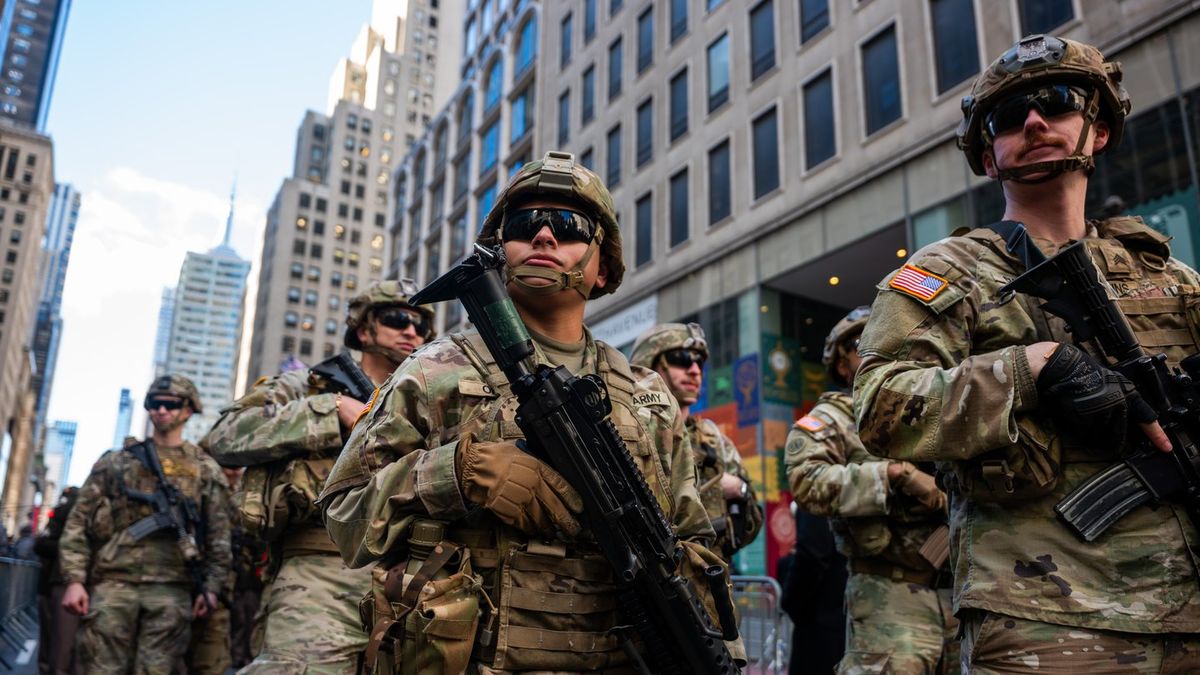
By the end of next year, eligible young Americans across all 50 states are set to be automatically added to the US military draft system, as tensions and armed conflicts abroad continue to raise questions about global stability and US strategic interests.
Details of the plan to move to automatic registration for eligible young men emerged last week after the Selective Service System (SSS) — the federal body responsible for draft administration — filed proposed rules with the Office of Information and Regulatory Affairs.
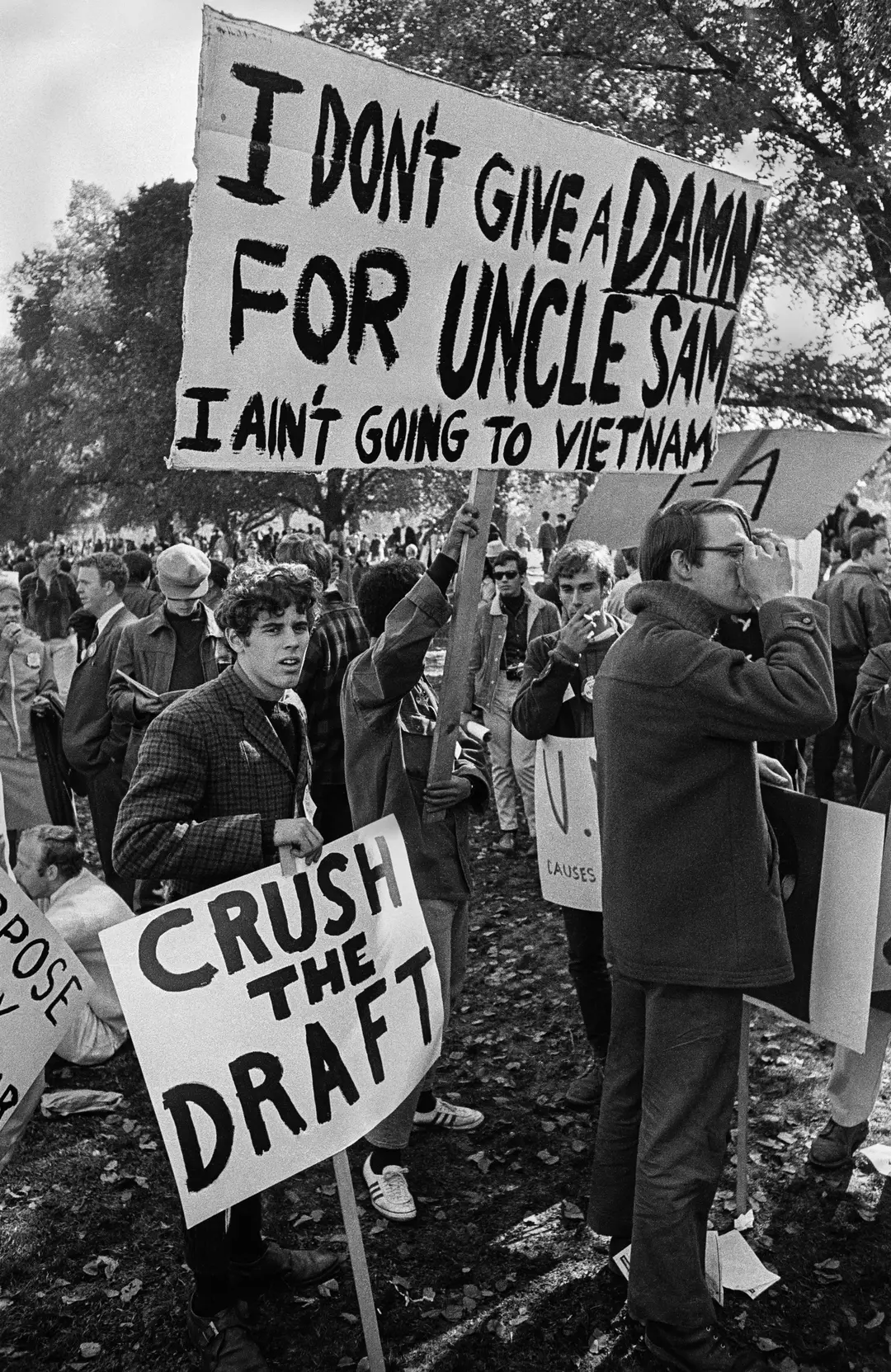
The filing signals the most significant shift in how the draft is handled since conscription ended more than five decades ago, near the close of the Vietnam War. During that conflict, more than 17,000 draftees died in combat, representing nearly one-third of all US deaths despite accounting for around a quarter of the force.
However, the updated framework will differ from the earlier model, which made all male citizens eligible from age 18 and treated refusal as a federal offense punishable by up to five years in prison.
Congress approved revisions to the Selective Service process through the 2026 National Defense Authorization Act, which passed in December last year. The change eliminates the need for young men to proactively sign themselves up.
Under the new approach, SSS will use a computerized process to identify who meets the requirements and then enroll those individuals automatically for potential service.
Setting out the timeline for the new system, the agency said in a note accompanying the rule update that ‘SSS will implement the change by December 2026, resulting in a streamlined registration process and corresponding workforce realignment.’
The policy applies to men aged 18 to 25. Under current federal law, they are expected to register with SSS within 30 days of turning 18. Because failure to register can be treated as a felony, officials argue that automatic enrollment will simplify compliance and administration.
Penalties tied to refusing the modern draft can include a $250,000 fine or up to five years in prison.

When the proposal was first raised during debate over the defense bill, Democratic Rep. Chrissy Houlahan said the shift would make the system more efficient.
She said: “This will also allow us to rededicate resources — basically that means money — towards [readiness] and towards mobilization … rather than towards education and advertising campaigns driven to register people.”
At present, registration requirements apply to male US citizens as well as men seeking US citizenship. Despite repeated efforts in Congress to expand registration requirements, women are still not permitted to register with the SSS.
Exemptions are limited. Housebound men with disabilities are excluded, though many other men with disabilities must still register. Some categories — including students — can qualify for deferments until the end of an academic term.
If President Trump were to restore conscription, the first group called would be 20-year-olds, selected through a lottery. After that, the lottery would proceed through each age bracket up to 25.
Once those ages are exhausted, officials would then include 18- and 19-year-olds in the selection process. Even after selection, potential draftees would still have to pass physical and mental screenings before being cleared to serve.