

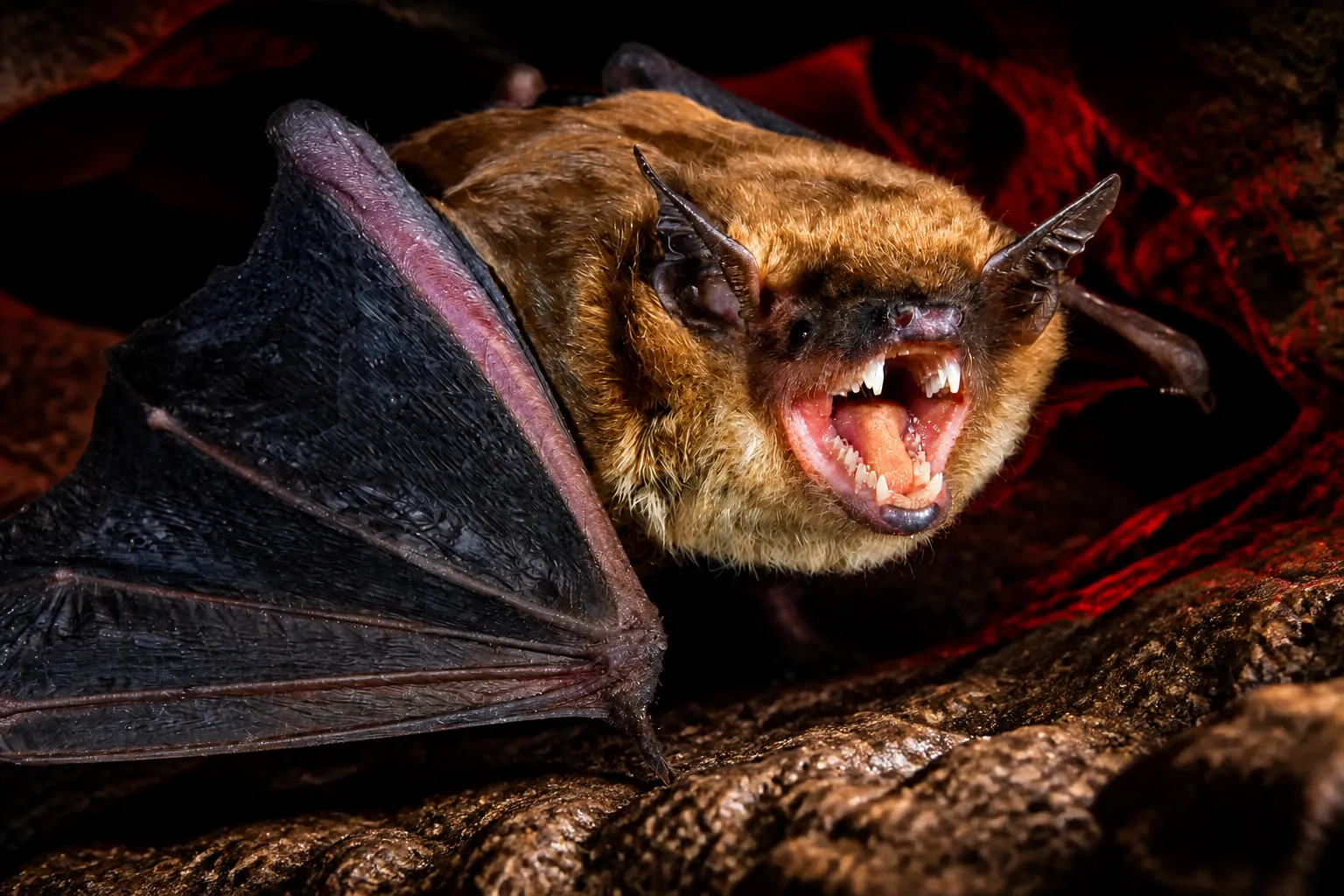
Pest control companies across New York’s Capital Region and Hudson Valley are fielding a flood of panicked calls as bats colonize attics and wall cavities this summer.
Thomas Pest Services in Albany has logged roughly a 15% spike in bat-related service requests this year, the Times Union newspaper reported.
The surge coincides with mid-June’s start of maternity season for the state’s nine native bat species. Hungry mother bats are now hunting insects by night and hunting for warm, dark roosts by day to raise their pups.
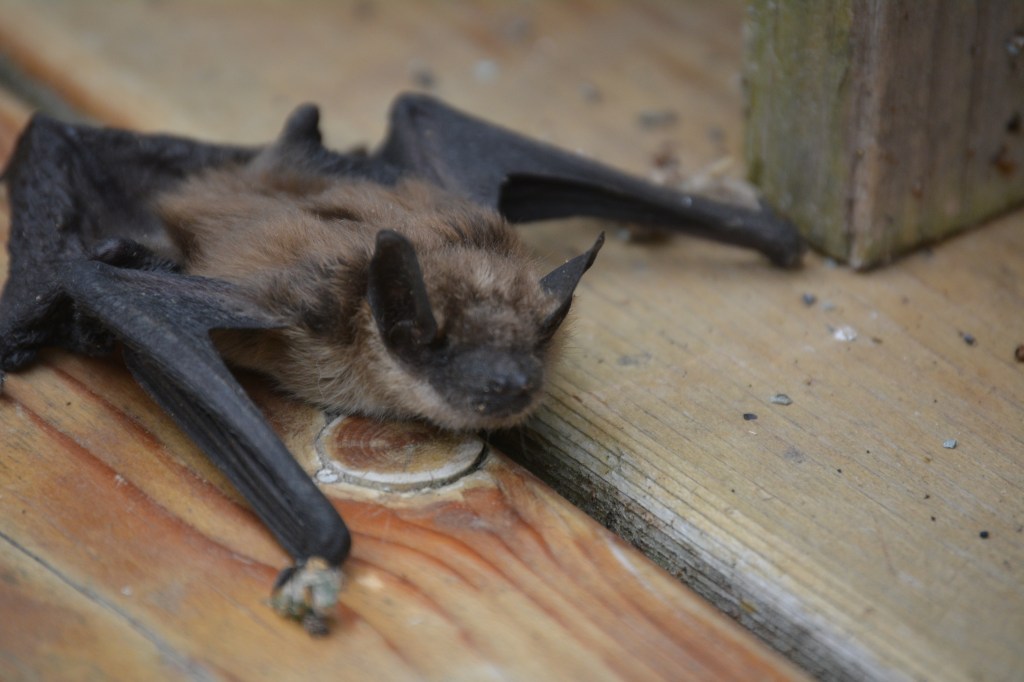
These flying mammals can compress their bodies through gaps as minuscule as a quarter-inch or 3/8 of an inch. That flexibility lets them infiltrate attics, wall voids and other secluded spaces homeowners rarely inspect.
Once established, bats sometimes convert houses into permanent shelters. The trend has intensified as populations battle white-nose syndrome, the fungal disease that has wiped out millions of bats across North America since its emergence.
Yet more phone calls do not automatically translate to more animals in the ecosystem.
Ashley Meyer, a wildlife biologist with New York’s Department of Environmental Conservation, said shifting public attitudes may be inflating the numbers. She pointed specifically to heightened anxiety about rabies exposure.
“Increased public awareness — namely fears about rabies — may be driving reports of increased sightings,” Meyer said.
The actual danger remains statistically slight, she added. In 2025, testing across Albany, Schenectady, Saratoga and Rensselaer counties found just over 2% of 239 examined bats carried rabies.
That regional figure stands in stark contrast to national patterns. Across the United States, bats account for seven in 10 human rabies deaths, a ratio that keeps health departments vigilant despite low local infection rates.

Wildlife specialists are urging preventive home maintenance rather than reactive extermination. Recommended measures include sealing cracks and holes with caulk, flashing, steel wool or heavy mesh. Attic vents and chimneys need secure wire mesh screens and proper caps to block entry.
If a bat breaches those defenses and enters living spaces — or if anyone suspects a bite or direct physical contact — officials advise immediate outreach to local county health departments or animal control agencies. Prompt reporting allows for rabies risk assessment and, if warranted, post-exposure prophylaxis that is nearly 100% effective when administered quickly.