

A nuclear reactor has recently been relocated approximately 700 miles from California to Utah, aligning with the president’s initiative to expand the availability of nuclear energy across the United States.
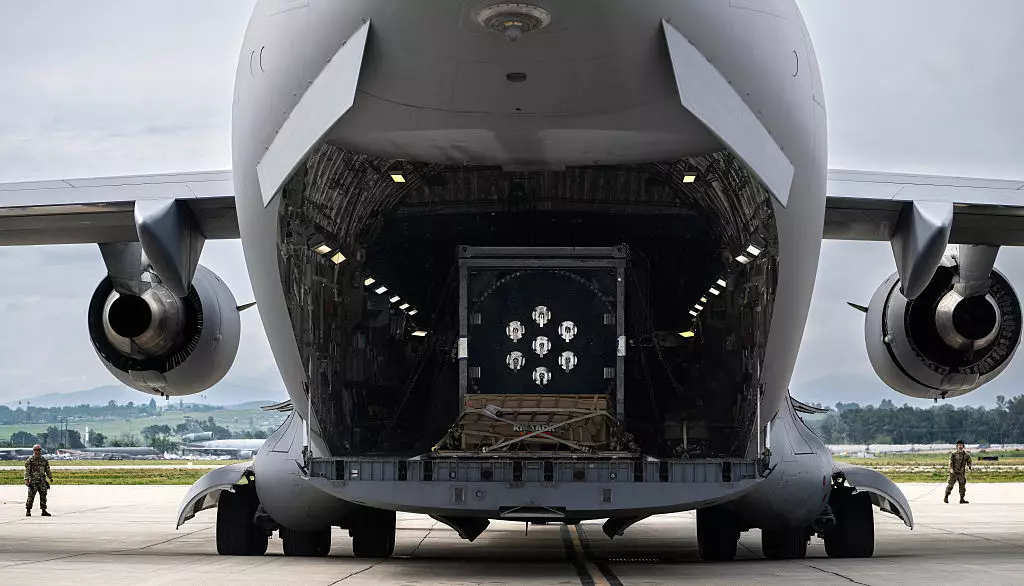
The transportation of a Valar Atomics Ward 250 nuclear reactor occurred from the March Air Reserve Base to the Hill Air Force Base on Sunday, February 15.
This move is part of the Department of Energy’s Nuclear Reactor Pilot Program, designed to provide power to up to 5,000 homes or offer a stable energy supply for a military base.
The reactor, which has a capacity of 5 megawatts, is comparable in size to a large truck. According to The Independent, it was moved between states using a C-17 transport plane.
Once it reached Utah, the reactor was dispatched to an energy laboratory in the state for evaluation and testing. Reuters reports that operations are scheduled to commence at 100 kilowatts in July.
This event follows Trump’s May 2025 signing of four executive orders directing the DOE to spearhead what he described as “the American nuclear renaissance.”
The DOE website states: “The Reactor Pilot Program establishes a new DOE pathway for advanced reactor demonstration to fast-track commercial licensing.
“The program aims to leverage DOE’s authority to expedite the research and development of advanced nuclear reactor technologies with the larger goal of reaching criticality for at least three advanced nuclear reactor concepts located outside of the national laboratories by July 4, 2026.”
As per the World Nuclear Association, the United States currently operates 94 nuclear reactors that collectively contribute around 20 percent of the nation’s energy supply.

According to the DOE, nuclear energy offers several benefits; a key advantage being its status as a ‘clean’ energy source. Nuclear reactors do not produce carbon emissions, unlike fossil fuel-powered plants.
The DOE also notes that nuclear power generates 775 billion kilowatt-hours of electricity annually in the US, supplying “nearly half of the nation’s emissions-free electricity.”
Nuclear energy is considered to enhance national security due to its reliability and capacity to provide a continuous power supply.
The DOE emphasizes: “A strong civilian nuclear sector is essential to US national security and energy diplomacy. The United States must maintain its global leadership in this arena to influence the peaceful use of nuclear technologies.”
However, a significant drawback of nuclear power is the radioactive waste it produces, which remains hazardous for thousands of years and poses risks to humans and animals.