

A film portraying the true events of the 2018 Paradise wildfires has rapidly climbed the Netflix charts shortly after former President Donald Trump announced plans to reverse significant climate change policies.
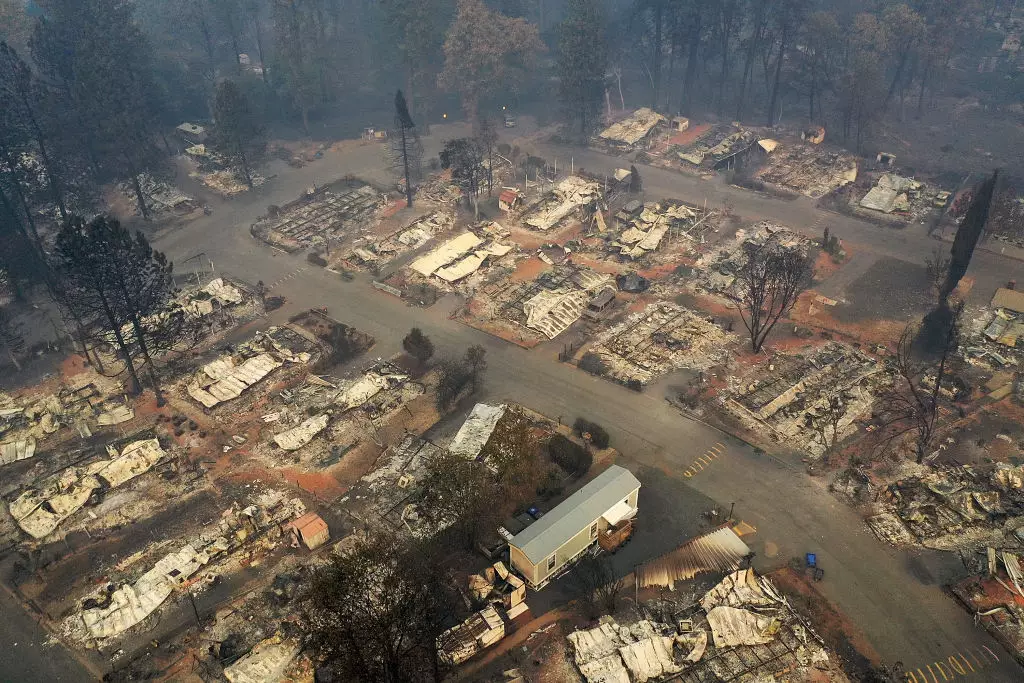
The fire, known as the Camp Fire, ignited on November 8, 2018, in Butte County, Northern California. An aged metal hook supporting an electrical transmission line on a tower created sparks, resulting in the ignition of surrounding vegetation.
Strong winds and extremely dry conditions enabled the fire to expand rapidly, engulfing the area in a matter of hours.
Named after Camp Creek Road, where it originated, the fire soon became the deadliest and most devastating in California’s history, and one of the worst in the United States, resulting in 85 fatalities.
In the previous year, Lifetime premiered a film about Nichole Jolly, a nurse at the Adventist Health Feather River Hospital, which was extensively damaged by the blaze.
During the chaos, she assisted in evacuating patients from the hospital but encountered a car accident while trying to escape the scene herself.
Speaking with KTVU a week after the tragic events, Nichole shared that she called her husband to say goodbye as her car, which had crashed into a ravine, began filling with smoke.
“I told him I probably was not going to make it,” Nichole recalled. “I’m trapped and there’s flames everywhere.”
“I told him to take care of the kids and tell them I love them and I love him.”
Remarkably, passing firefighters rescued her, and she escaped with just minor injuries, according to PEOPLE.
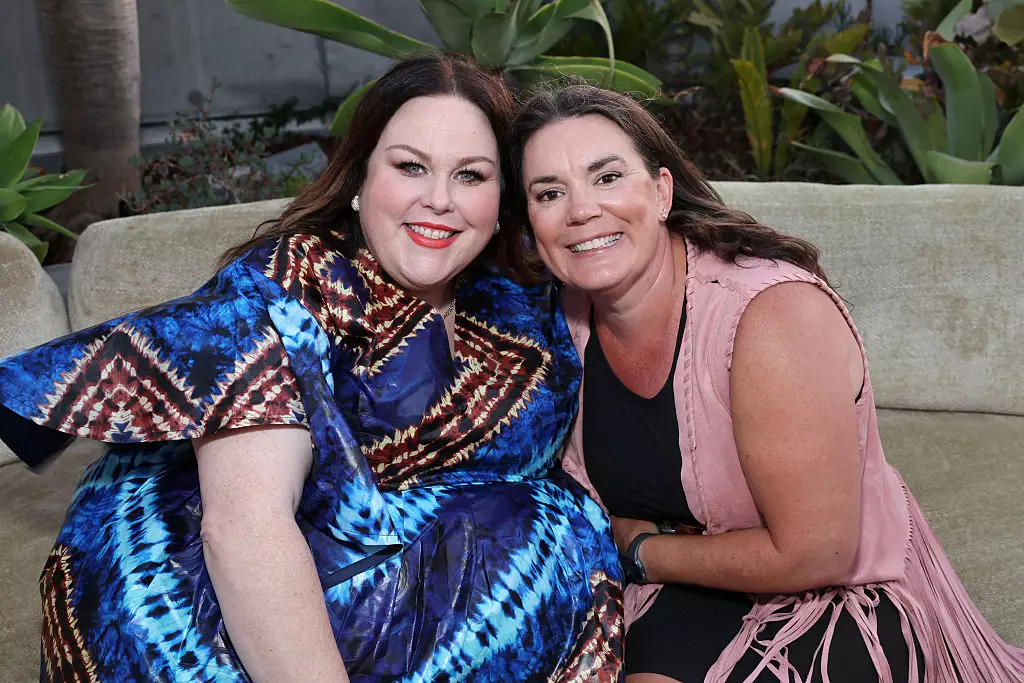
This Is Us star Chrissy Metz portrays Nichole in the film titled Faith in the Flames: The Nichole Jolly Story, which became available on Netflix last month.
As of the current time, the film ranks fourth on Netflix’s list of most-watched movies in the United States, following Copshop, Mike and Dave Need Wedding Dates, and The Investigation of Lucy Letby.
This surge in viewership coincides with President Donald Trump’s decision to undo a significant climate policy from the Obama administration. The policy, known as the ‘endangerment finding,’ identified greenhouse gases, such as carbon dioxide and methane, as threats to public health. This finding served as the basis for many U.S. climate regulations, empowering the EPA to regulate emissions under the Clean Air Act.
By reversing this decision, the legal foundation for numerous emission regulations, especially those affecting car manufacturers, could be weakened or entirely removed.
The Trump administration argues that this move will reduce costs, estimating a potential decrease in car production costs by approximately $2,400 per vehicle and reducing regulatory burdens on the industry, according to reports by the BBC.
Certain sectors within the automotive industry support the change, citing that existing standards were impractical.
However, critics warn that the environmental and health repercussions could be significant. Environmental advocates project that billions of additional tons of greenhouse gases may be emitted by 2055, potentially resulting in trillions in climate-related damages.
There are also concerns about increased premature deaths, asthma attacks, and hospital visits due to heightened pollution levels.
This policy reversal could potentially lead to more legal challenges, as states and communities might once again sue companies over climate-related damages. In the long run, there are fears that the U.S. could lag behind countries like China and EU nations, which are advancing with renewable energy and electric vehicles.