


An expert on the Nipah virus has shared insights on whether the disease has the potential to become a pandemic akin to Covid, as airports start implementing traveler screenings following reported cases in India.
If you weren’t familiar with the Nipah virus before, you likely are now.
Airports in regions such as Thailand, Taiwan, and Nepal have initiated screening procedures for the disease after cases emerged in West Bengal, India.
The Indian government initially reported five cases of the Nipah virus, but further testing confirmed the total was actually two.
Reports suggest that two nurses working at a private hospital in late December fell ill and were admitted to intensive care in early January.
One of these cases was said to be in critical condition.
The Nipah virus is a lethal disease transmitted mainly from bats to humans, making it a zoonotic disease similar to the coronavirus.
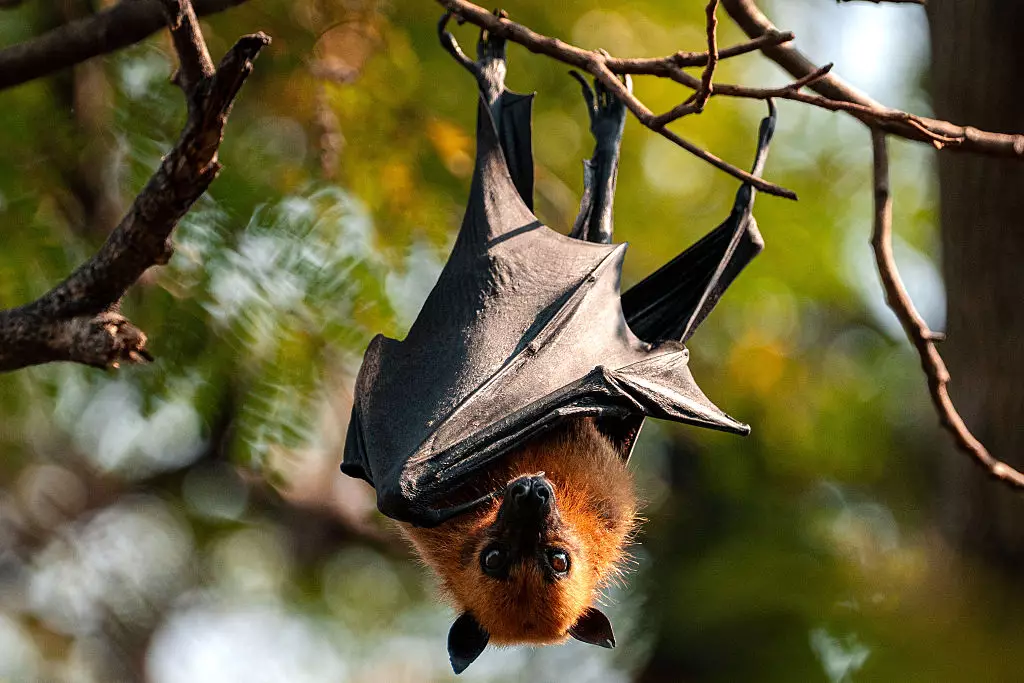
In certain parts of India and Bangladesh, infections often occur due to people consuming raw date palm sap.
This seasonal treat is harvested from trees during winter and typically consumed in the coldest months, but can be tainted by bats.
Doctor Emily Gurley, a Professor of Epidemiology of Infectious Diseases at Johns Hopkins University, explained: “The colder the winter, the more spillovers typically occur.”
Nipah virus usually presents a sudden onset of flu-like symptoms, such as fever, headache, muscle pain, and fatigue.
In severe cases, the virus can impact the brain and lungs, potentially leading to death.
A significant concern is the lack of cures or treatments available for Nipah virus.
Dr. Gurley indicates that the fatality rate for those contracting the disease from bats is 90 percent, while human-to-human transmission results in a fatality rate of 40 to 50 percent.
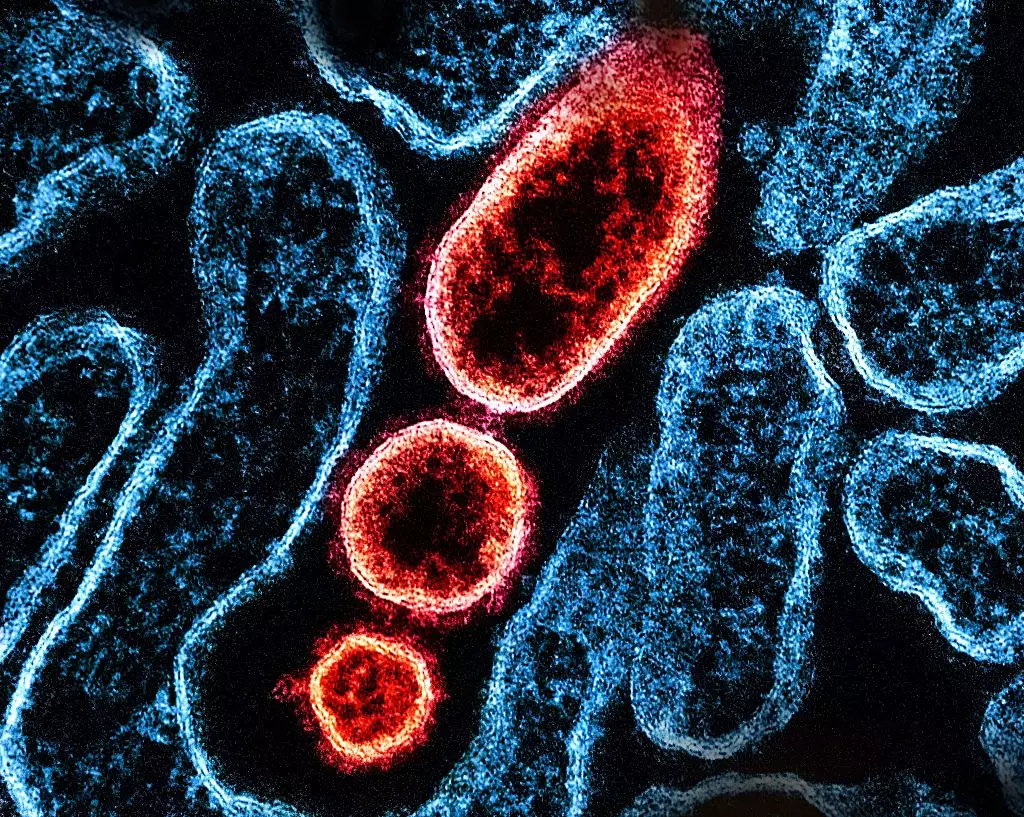
Dr. Gurley, a member of the World Health Organization’s Nipah Virus Taskforce, noted that despite current concerns, the virus is unlikely to spark a global pandemic.
“If this is like past Nipah outbreaks, then no – the virus just isn’t very transmissible,” she said.
Since Nipah’s identification in 1998, data shows that each infected individual typically transmits the virus to only 0.3 other people, according to Dr. Gurley.
“In most cases, patients don’t infect anyone else at all.”

For comparison, the estimated infection rate for coronavirus in the US ranges from 0.95 to 1.43, as per CDC reports.
“Sometimes you do see variation, where one person infects multiple others, and that’s when larger outbreaks happen,” she explains. “But typically it returns to the average, and the outbreak ends. That’s what we’ve always seen.”
However, Dr. Gurley cautions that there might be exceptions: “[That is] unless there’s something very different about this virus that makes it more transmissible.”
She concluded that there is currently no evidence suggesting a change in transmissibility, stating: “What we’ve observed is not outside of the ordinary, but again, it’s something that we should pay close attention to.”