

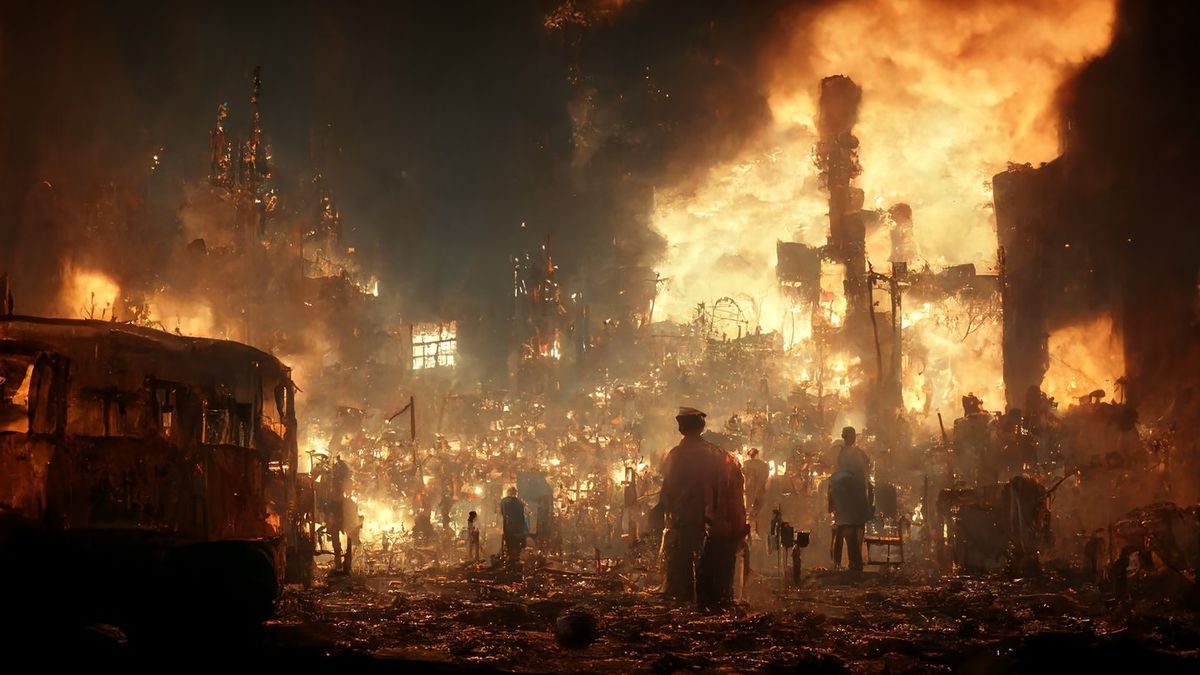
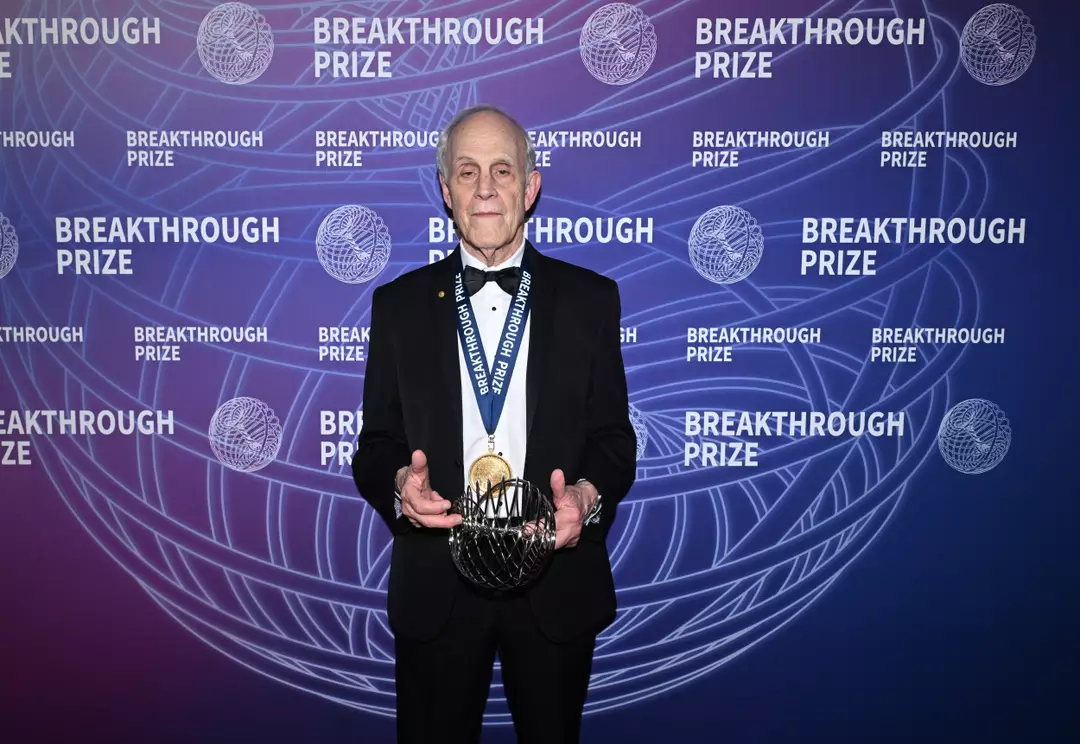
A physicist who won a share of the Nobel Prize in Physics in 2004 has delivered a stark message after offering a timeline for humanity’s potential demise.
The current global climate feels increasingly unstable, and the prospect of nuclear conflict appears more plausible today than it did a couple of decades ago.
With heightened geopolitical tension — including war in Europe, continued violence in the Middle East, and uncertainty around US leadership — many observers believe international relations are entering a more volatile phase.
Against that backdrop, physicist David Gross has warned that humanity could face catastrophic consequences within the next few decades.
He told Live Science: “Even after the Cold War ended, when we had strategic arms control treaties, all of which have disappeared, there were estimates that there was a one percent chance of nuclear war every year.
“I feel it’s not a rigorous estimate that the chances are more likely two percent. So that’s a one-in-50 chance every year.
Gross continued: “Currently, I spend part of my time trying to tell people … that the chances of you living 50 [more] years are very small.
“Due to the danger of nuclear war, you have about 35 years.”
If you take that estimate literally, it would place a potential endpoint around the year 2061.
He also pointed to what he sees as an accelerating breakdown in global stability.
Gross went on to point out the upheaval happening across the globe right now, as he continued: “Things have gotten so much worse in the last 30 years, as you can see every time you read the newspaper.”
Beyond nuclear risk, Gross suggested emerging technologies could add further danger. While artificial intelligence brings clear benefits, he argued it may introduce new vulnerabilities — especially if integrated into military or strategic decision-making.
“The agreements, the norms between countries, are all falling apart,” the physicist added.
“Weapons are getting crazier. Automation, and perhaps even AI, will be in control of those instruments pretty soon.
“It’s going to be very hard to resist making AI make decisions because it acts so fast.”
He also highlighted the unreliability that can come with current AI systems, arguing that errors at scale could have serious consequences.
He added: “If you play with AI, you know that it sometimes hallucinates.”
Another well-known indicator often cited in discussions about global risk is the Doomsday Clock, which is intended to signal how close humanity may be to catastrophe.
This year, the clock was set at 85 seconds to midnight — four seconds nearer than the previous year.
Melissa Parke, Executive Director at ICAN, said of the measure: “The Doomsday Clock is not a prediction, it’s a warning.
“Nuclear weapons, wars from Ukraine to Gaza, the climate crisis and runaway technologies are all part of the problem – but they are all created by humanity.
“That means we can also change course. The Treaty on the Prohibition of Nuclear Weapons (TPNW) is a clear path to turn back the hands of the clock.”