

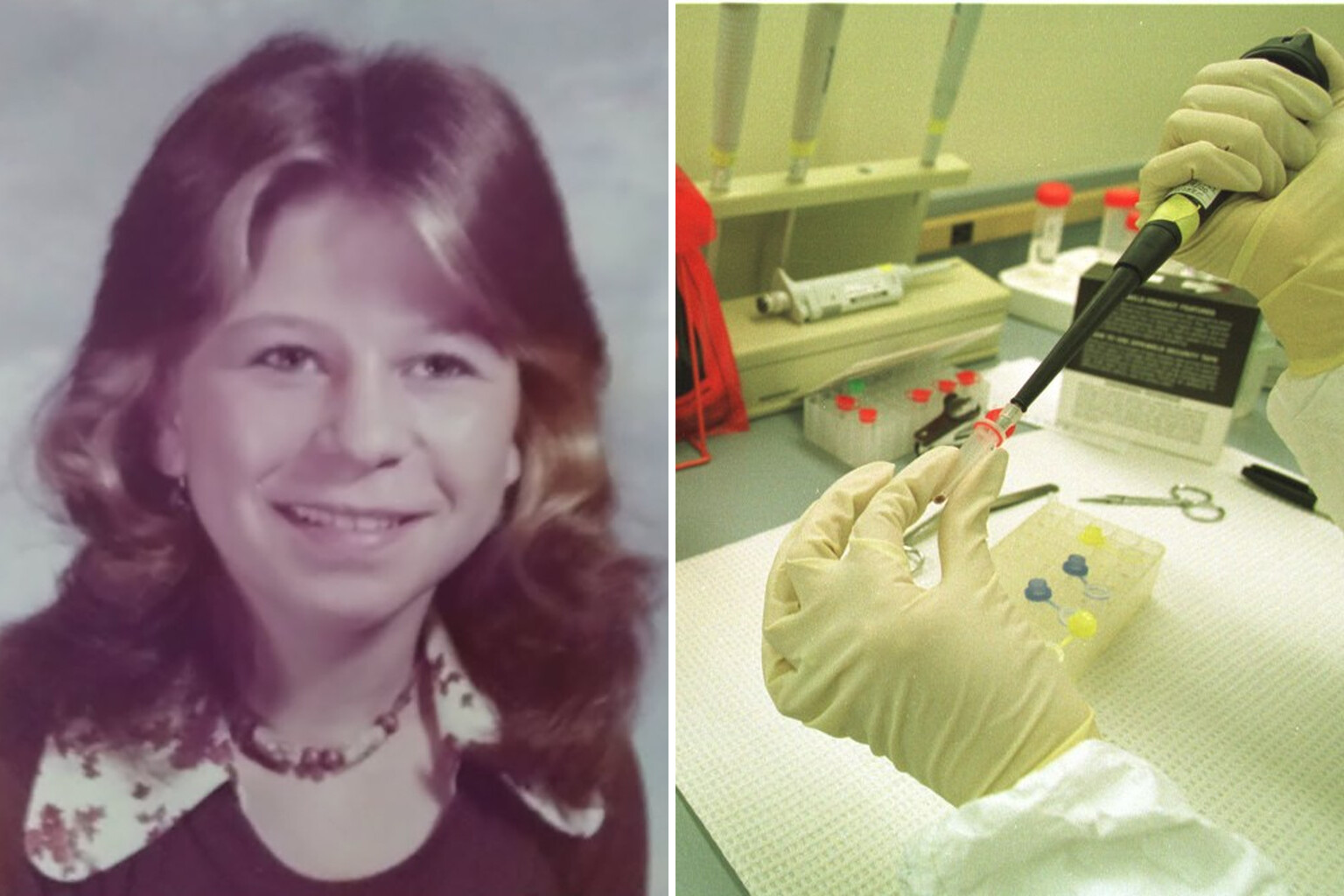
North Carolina authorities have identified 49-year-old skeletal remains as a teenage runaway from Maryland, opening a homicide investigation into her death.
Cindy Marcell Blizzard, 15, vanished from Monkton, Maryland, in the spring of 1977. Her remains turned up more than six months later, on Dec. 29, 1977, in a wooded area near a Firestone tire plant in Wilson County, roughly five hours south of her home, according to the North Carolina State Bureau of Investigation.
A medical examiner initially estimated the remains had been in the woods anywhere from six months to two years. The bones belonged to a white female between 16 and 23 years old, the examiner determined.
For decades, the case sat frozen. Investigators repeatedly compared dental records against missing persons files and came up empty each time, the SBI said.
“For years, investigators compared dental records against missing persons cases without finding a match,” the bureau said in a statement.
The breakthrough began in 2010, when a state anthropologist reopened the file. That anthropologist submitted the remains for DNA testing and ran the results through federal databases, officials said. But the science of the time could only take investigators so far.
The case finally gained real traction last year. The SBI’s Cold Case Investigative Team took another look, armed with forensic capabilities that did not exist in 1977.
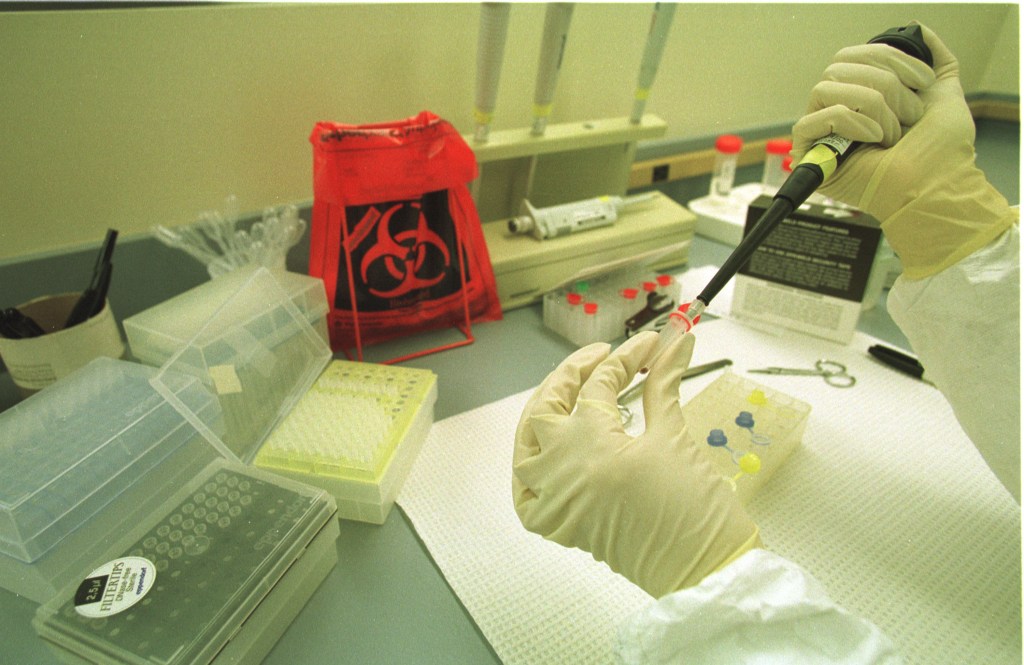
When the case qualified for advanced DNA testing, forensic scientists pulled preserved genetic material from a bone sample, authorities said. A genealogy service then used the genetic profile to trace potential relatives, pointing investigators toward the Maryland teenager who had run away nearly half a century earlier.
“A genealogy service used the profile to trace potential relatives, pointing investigators toward a 15-year-old girl who had run away from Monkton, Maryland, in the spring of 1977,” the SBI said.
The identification came together with help from the FBI’s NCIC Investigation and Operational Assistance Group, the Maryland Department of State Police Homicide Unit, and the Raleigh Police Department’s Intel Unit.
The SBI said the manner of death remains undetermined. Still, the circumstances surrounding where and how the remains were recovered have led investigators to treat the case as a homicide.
“The circumstances surrounding the location and recovery of the remains raised the probability of foul play, and the investigators are treating the case as a homicide,” the bureau said.

Blizzard’s disappearance came during an era when forensic identification was in its infancy. The gap between her disappearance in spring 1977 and the discovery of her remains that December already suggested she had not survived long on her own. The rural Wilson County location, far from any route a runaway might logically follow, deepened the mystery that would puzzle investigators for two generations.
The SBI continues to investigate the circumstances of Blizzard’s death.