

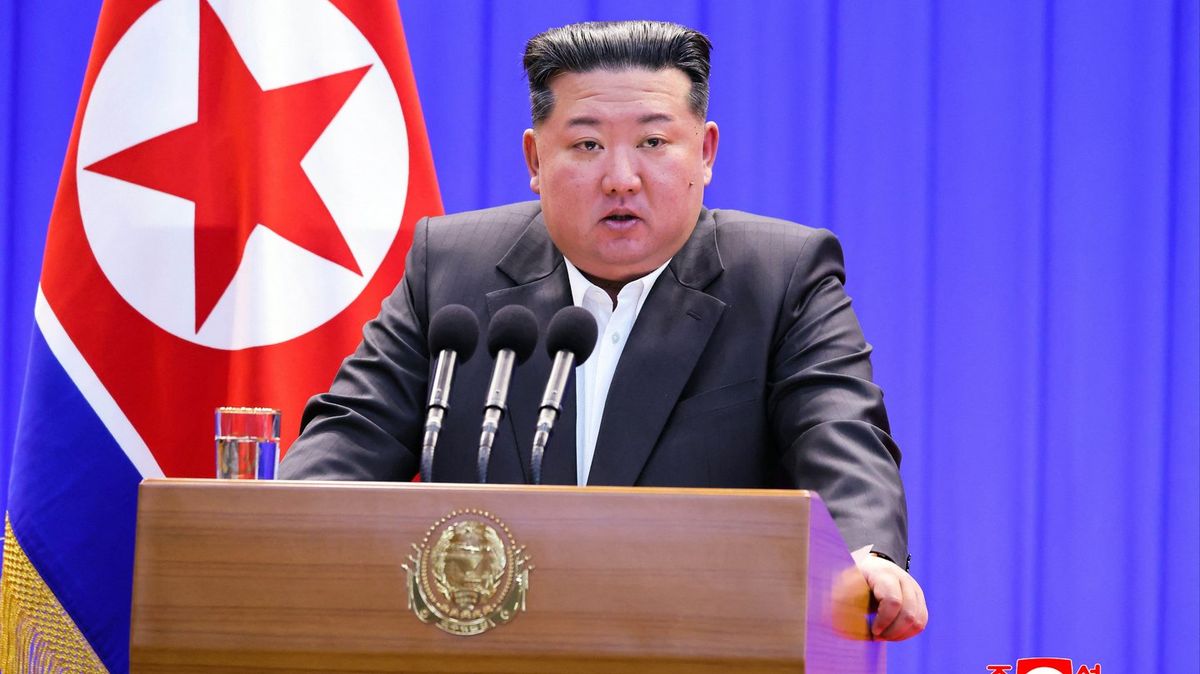
North Korea has introduced a new legal provision that would trigger an automatic nuclear response if leader Kim Jong Un is killed, with analysts suggesting Iran’s recent experience helped shape Pyongyang’s thinking.
Reports said the constitutional update was approved during the first meeting of the 15th Supreme People’s Assembly, which began on 22 March in Pyongyang. The change was reportedly disclosed after North Korea’s National Intelligence Service briefed senior officials in South Korea.
Under the updated Article 3 of North Korea’s nuclear policy, if hostile forces threaten the command-and-control system overseeing the country’s nuclear forces, an immediate and automatic nuclear strike would follow.
In practical terms, the revision is designed to make any attempt to remove Kim Jong Un uniquely perilous, because the policy implies that once he is taken out, a launch could proceed without further orders.
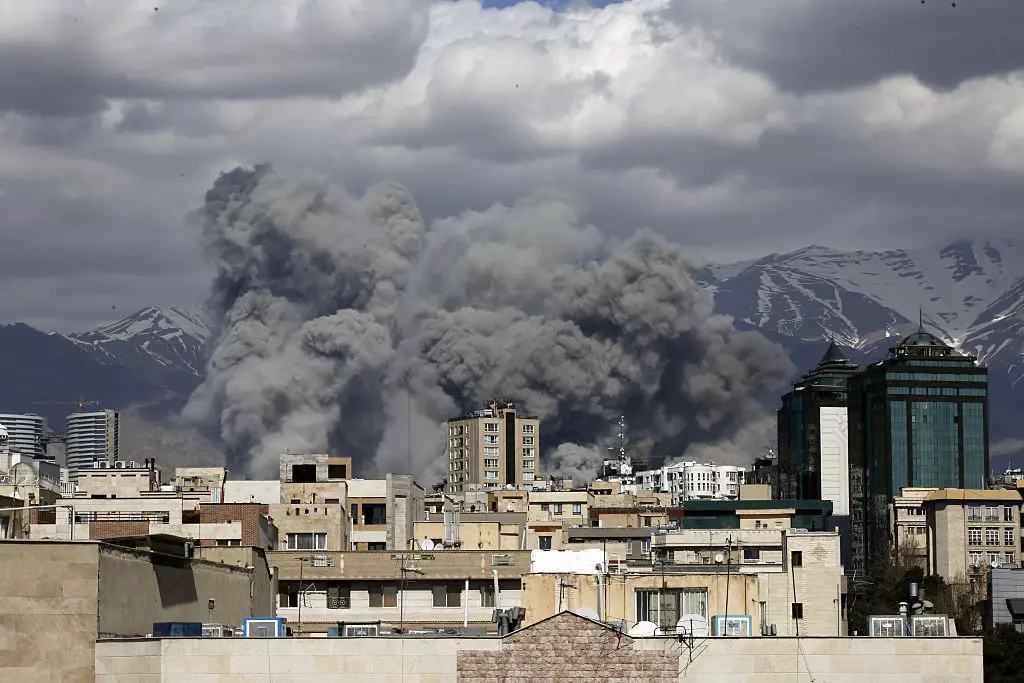
The same report noted that Professor Andrei Lankov, a Russian-born specialist in history and international relations at Kookim University in Seoul, argued Iran effectively served as the catalyst for the shift. After observing how quickly and accurately US-Israeli strikes eliminated large parts of Iran’s leadership, North Korea was reportedly ‘terrified’ that a similar operation could be attempted against it.
Professor Lankov also cautioned that replicating that kind of operation in North Korea would be far harder than it was in Iran.
North Korea tightly seals its borders, closely monitors outsiders, and relies on a controlled intranet rather than the open internet—conditions that would greatly limit the intelligence collection that helped locate Iranian leaders.
Kim Jong Un is widely described as highly security-conscious, travelling in a heavily armoured train and seldom flying.
Alongside the legal change, he has been pushing ahead with broader nuclear modernisation.
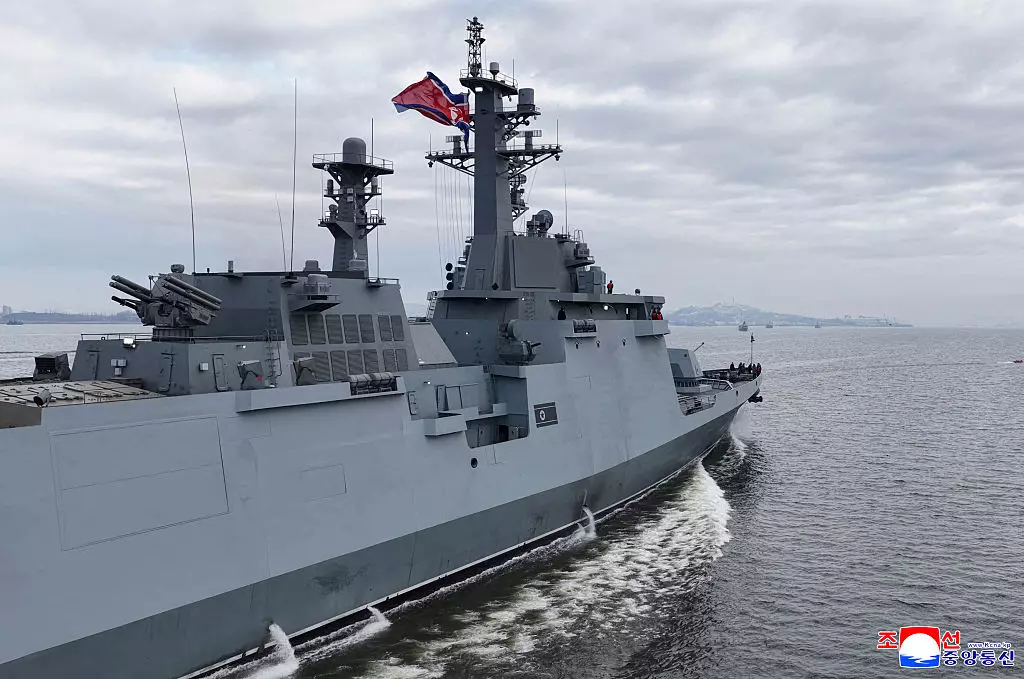
The Wall Street Journal reported that Kim recently toured the Choe Hyon, described as North Korea’s first nuclear-capable warship and expected to enter deployment in June.
The ship is believed to be part of a five year weapons plan announced in February, which includes making both warships and submarines capable of carrying nuclear weapons.
Weapons specialists have said that adding nuclear capability at sea would complicate efforts by the US and South Korea to detect and neutralise launch platforms before missiles could be fired.
Developments on land, meanwhile, have also raised concern.
Reports say North Korea intends to position a new 155mm self propelled howitzer along the southern border. With a range above 37 miles, it would place central Seoul within reach.
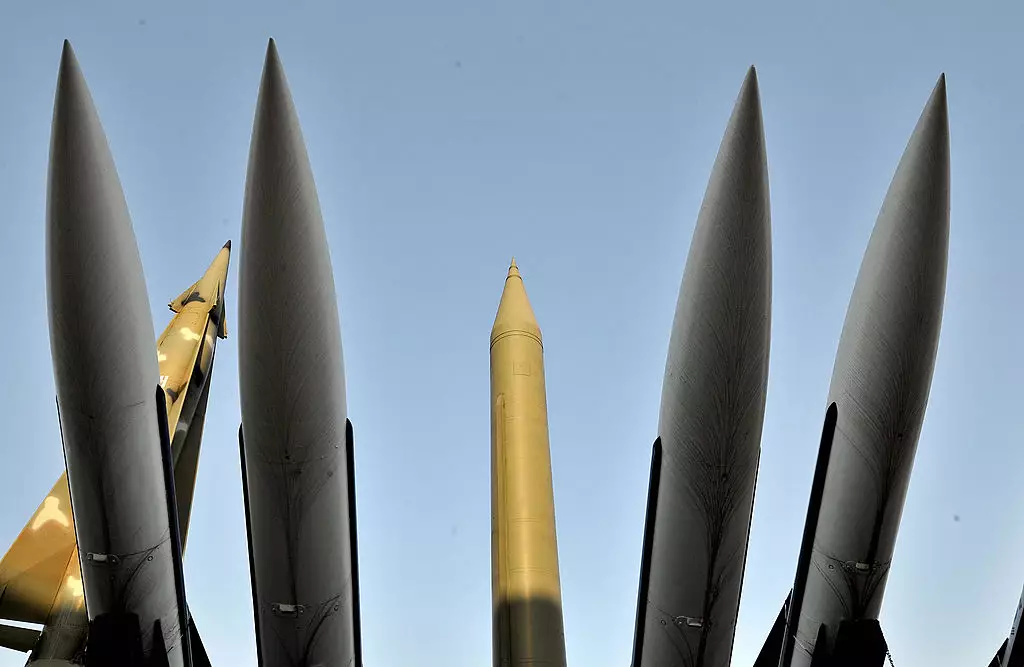
Separately, reports said International Atomic Energy Agency chief Rafael Grossi warned that North Korea has made ‘very serious’ progress expanding nuclear weapons production, citing increased activity at the Yongbyon Nuclear Complex.
Estimates in early 2024 suggested North Korea had assembled around 50 nuclear warheads. While that figure reflects the likely stockpile, assessments indicate it may have enough fissile material to produce roughly 70–90 weapons over time. South Korea’s president said earlier this year that the North may now be producing enough material to build 10 to 20 nuclear weapons each year.