

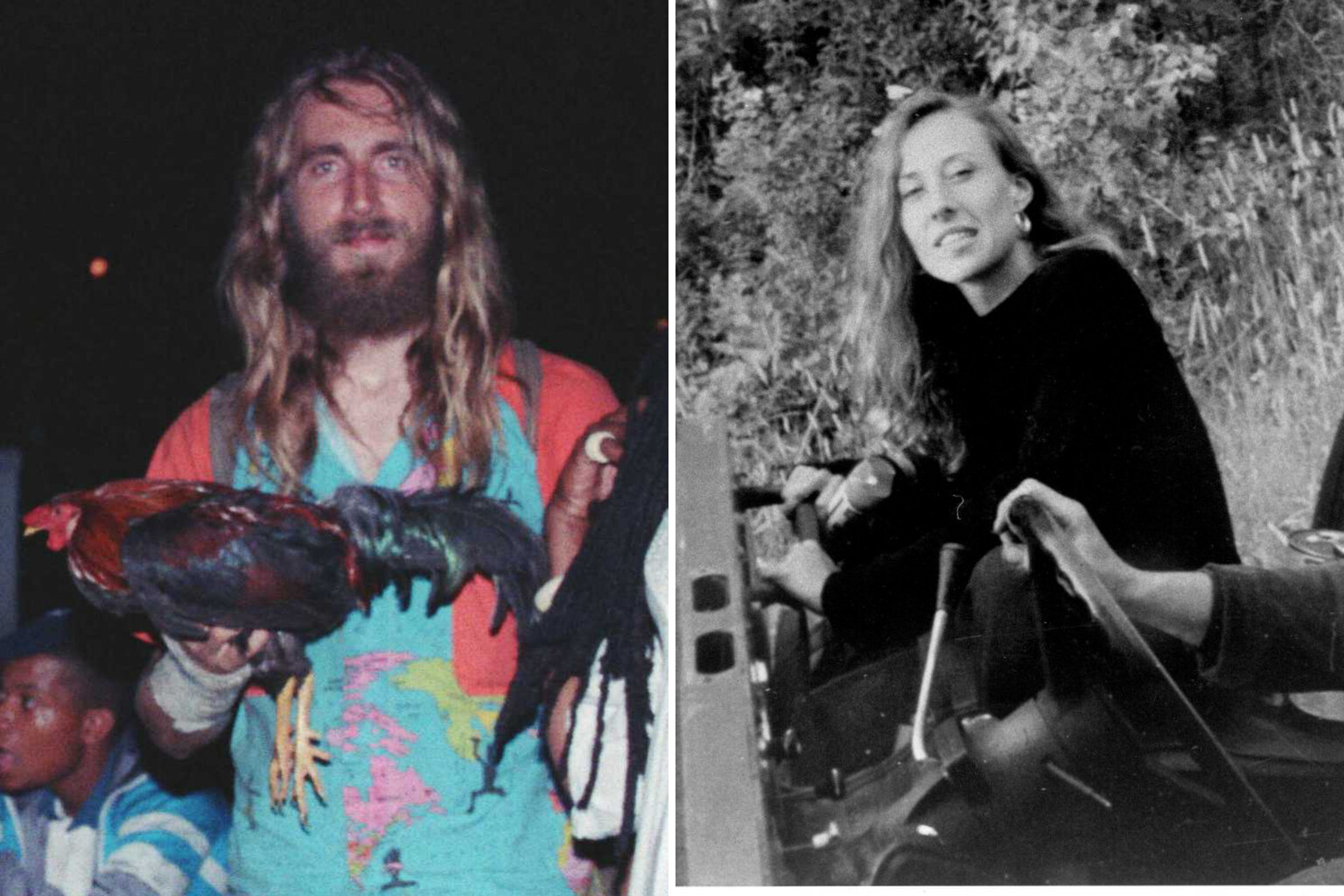
Daniel Rakowitz, the infamous “Butcher of Tompkins Square Park,” has been quietly shifted to a lower-security psychiatric wing, a move that brings the cannibal killer closer to potential release after more than three decades in custody.
Rakowitz, 65, was transferred to the civilian side of the Manhattan Psychiatric Center on Wards Island roughly two years ago, according to a source familiar with the facility’s operations. The move places him among more than 200 criminal patients relocated since 2020 from the maximum-security Kirby Forensic Psychiatric Center to the less restrictive state-run complex nearby.
“They’re letting people out prematurely every day,” the source said. “He may be one of those that end up getting out.”
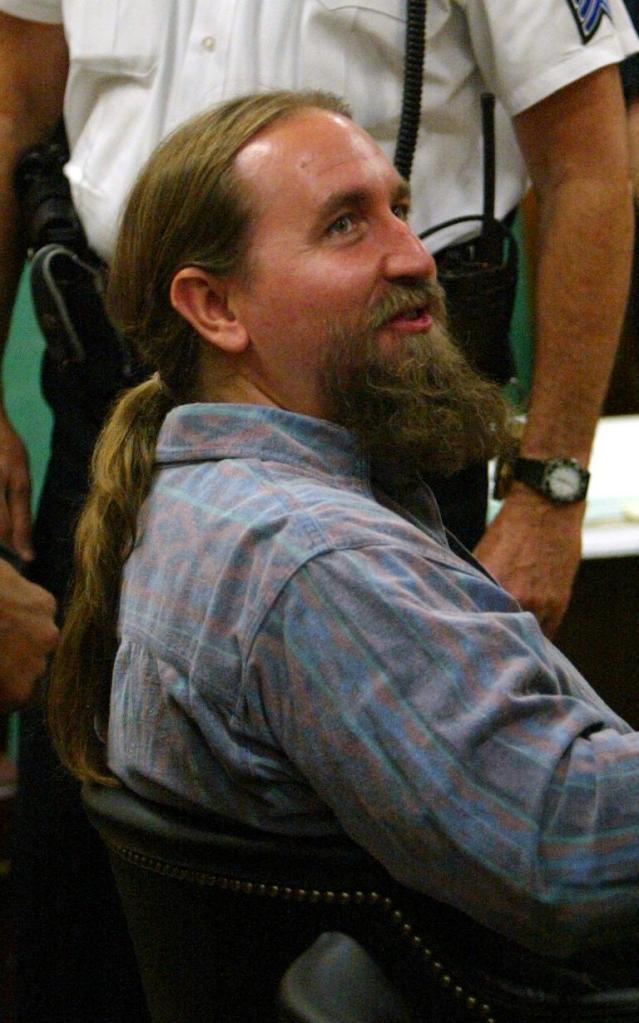
The transfer has alarmed hospital employees who were given minimal advance warning. “They kept it a soft opening, like letting people know just before they moved him,” the source said. “They’re trying to get us used to it.” Staffers remain deeply unsettled by Rakowitz’s presence in the less secure environment. “They’re basically breaking down the barriers between criminal and civil,” the source continued. “Letting them out is a very bad idea.”
The facility also maintains transitional housing on its campus, typically the final stage before patients gain freedom entirely. That pathway has already produced violent consequences: last year, Kerri Aherne, 43, allegedly walked out from the hospital’s transitional housing, traveled to Macy’s in Midtown, and stabbed a California tourist in the back and right arm with a kitchen knife as the woman changed her baby in a bathroom restroom. Aherne was indicted on attempted murder charges in Manhattan this past January.
Gary Galperin, the former Manhattan Assistant District Attorney who litigated Rakowitz’s case for 32 years until 2023, remains deeply skeptical of any path toward release. “He has long been considered a psychopath,” Galperin told The Post. The now-adjunct professor at Cardozo School of Law said Rakowitz has spent decades pressing for reduced security. “He said he’s done everything he’s been asked to do and he should be able to go to the next step down,” Galperin recalled.
But Rakowitz crumbled when pressed on his own treatment progress. “I said, ‘Clearly you haven’t met your goals if you don’t know your goals,'” Galperin said. “And he said ‘Yes, that would be right.'” Galperin found the exchange damning, noting that Rakowitz had been told his treatment goals “hundreds and hundreds of times.”

The former prosecutor identified another persistent red flag: Rakowitz’s shifting account of the 1989 killing itself. “He has given dozens of different versions of the crime,” Galperin said. “That’s one of the most troubling parts of his hospitalization. There’s almost as many versions of the crime as there were people asking him.”
A judge would need to approve any ultimate release of Rakowitz, since he was committed by court order rather than serving a standard prison sentence. However, that judicial authority does not extend to blocking his potential transfer into the hospital’s transitional housing—a step that could occur without court involvement.

The Rakowitz case resurfaced in mainstream conversation this week when Sunny Hostin, co-host of ABC’s “The View,” claimed she had been the lone holdout juror who shifted the 1991 trial’s outcome toward a verdict of not guilty by reason of insanity. Hostin made the assertion during a Tuesday discussion about killer-mother Lindsay Clancy’s insanity defense, then doubled down to The Post despite sources identifying the actual holdout as a man. The claim has since been widely debunked.
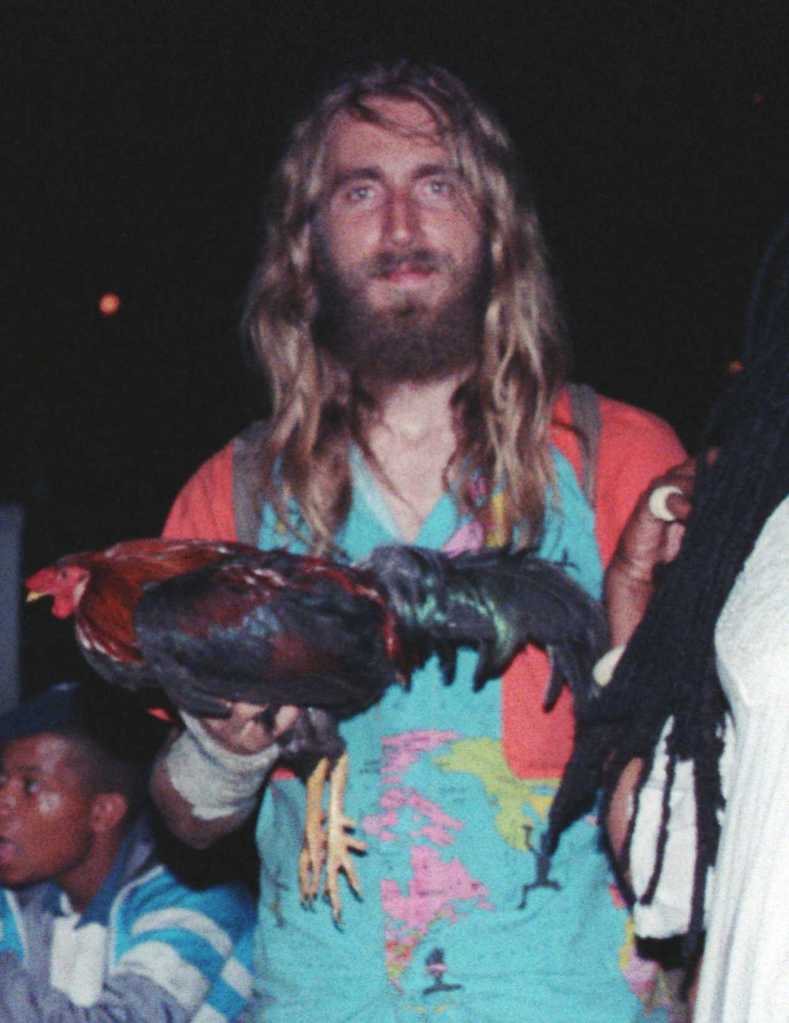
Rakowitz’s 1989 crime remains among New York’s most gruesome homicides. The East Village weed dealer slaughtered his roommate Monika Beerle, dismembered her body, and cooked her remains into a soup of brains and fingers that he then served to unsuspecting homeless people in Tompkins Square Park. In a videotaped confession played at a 2005 hearing, the longhaired Texan drifter described boiling her in pots “so I could manage the meat better.” Female jurors at that hearing visibly recoiled as they watched the footage. “I was having to deal with a lot of rotted flesh and maggots,” Rakowitz said on the 1989 tape. Manhattan Supreme Court Justice Donna Mills denied his bid for transfer to a less secure facility in February 2005.
The state Office of Mental Health, which oversees the Manhattan Psychiatric Center, cited confidentiality laws in declining to discuss Rakowitz’s case specifically. The facility faces ongoing pressure to free beds for Rikers Island inmates who require mental health treatment to be declared fit for trial, the source noted.
Rakowitz’s next judicial review of his hospitalization would typically occur on the two-year cycle Galperin managed until 2023.