


As individuals near the end of their lives, many begin to reflect on the paths they’ve taken and question whether things could have turned out differently.
It’s not uncommon for those approaching death to revisit significant moments or mistakes, pondering how things might have been improved or considering their biggest regrets.
Bronnie Ware, a nurse who provides care for individuals in their final weeks, observes that many experience personal growth, gaining new perspectives as they navigate emotions such as ‘denial, fear, anger, remorse, more denial, and eventually acceptance’.
In her role, Ware has encountered numerous patients who discuss their deepest regrets and what they wish they had done differently. Despite the diversity of life experiences, five recurring themes consistently emerge as individuals face the end.

Ware, who supports terminally ill patients in achieving comfort at home in their final days, notes that the primary regret expressed is, ‘I wish I’d had the courage to live a life true to myself, not the life others expected of me’.
Living according to others’ expectations can be challenging, with familial and career pressures often dictating life’s pace, even when it diverges from personal desires.
Ware explains: “As people come to terms with the end of their life and reflect on it, many unfulfilled dreams become evident.
“A majority had not pursued even half of their aspirations, facing death with the realization that their choices were to blame.”
The second most frequent regret involves a sentiment many share but seldom act upon: ‘I wish I hadn’t worked so hard.’
While earning a living is essential, the relentless pursuit of work can lead individuals to overlook the joys of life.
According to Ware: “This regret was universal among male patients. They lamented missing their children’s formative years and their partner’s companionship. Every man expressed regret for dedicating so much of their life to work.”

The third regret often mentioned is about missed opportunities to express emotions, with many wishing, ‘I wish I’d had the courage to express my feelings’.
Opting to avoid conflict might seem easier, but it can lead to dissatisfaction and resentment.
“Many people suppressed their emotions to maintain harmony with others, settling for a mediocre existence and never reaching their full potential. This led to illnesses stemming from the bitterness they harbored,” Ware states.
The fourth most common regret involves neglected friendships, expressed as, ‘I wish I had stayed in touch with my friends’.
Busy lives can lead to friendships fading away due to a lack of effort, resulting in a sense of loss at life’s end.
“Often, individuals don’t fully appreciate old friends until their final weeks, when reconnecting becomes challenging.
“Many allowed valuable friendships to lapse over time due to personal preoccupations, leading to deep regrets about not investing time and effort into these relationships. Everyone misses their friends when facing death,” Ware says.
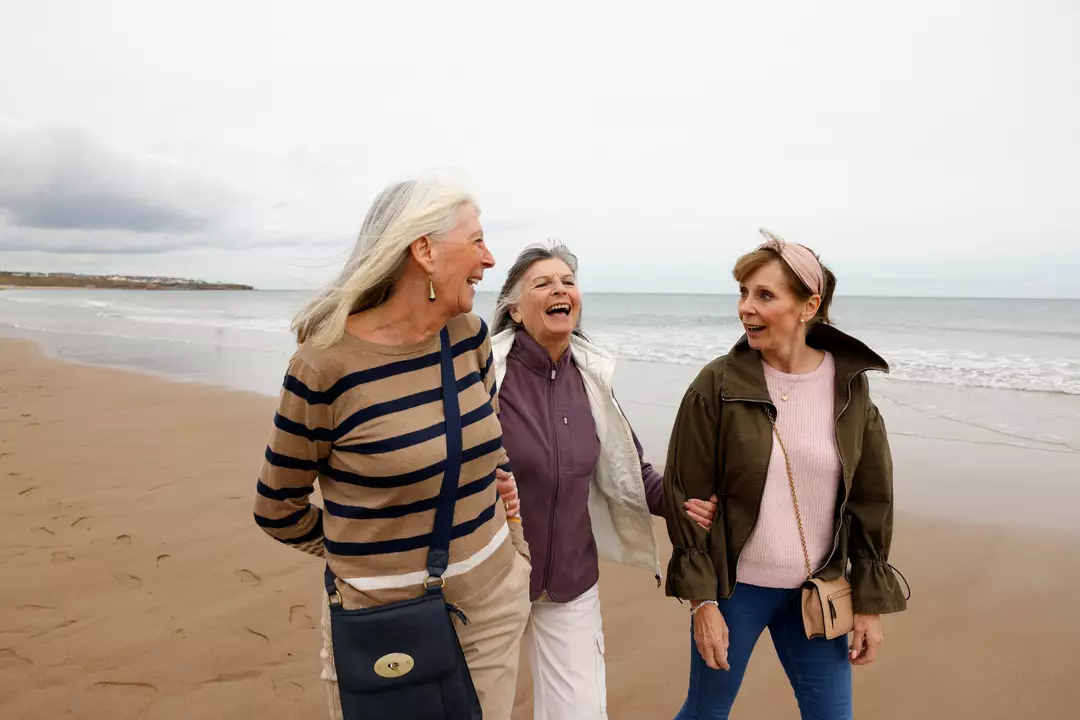
The final regret involves not allowing oneself to experience happiness, with some expressing, ‘I wish that I had let myself be happier’.
In moments of sadness or anger, it can be difficult to see beyond the immediate emotions, yet dwelling in misery wastes precious time.
“This is a surprisingly common regret. Many didn’t recognize until the end that happiness is a choice. They remained trapped in familiar patterns, feigning contentment to themselves and others while yearning for laughter and joy,” Ware notes.
After witnessing numerous individuals pass with regrets, Ware offers sage advice for those with time still ahead: “Life is a choice. It is YOUR life. Choose consciously, choose wisely, choose honestly. Choose happiness.”