


The New York City Council unveiled a sweeping package of bills Friday targeting artificial intelligence companies operating in the five boroughs, including mandatory “kill switches” and cash payouts for whistleblowers.
Council Speaker Julie Menin, 56, announced the legislative push alongside plans for a rare full-body hearing on October 5, where all 51 council members will convene to weigh the risks advanced AI poses to city residents. The speaker has personally invited the heads of five major tech firms — Dario Amodei of Anthropic, Sam Altman of OpenAI, Sundar Pichai of Google, Elon Musk of SpaceX and Mark Zuckerberg of Meta — to attend the session.
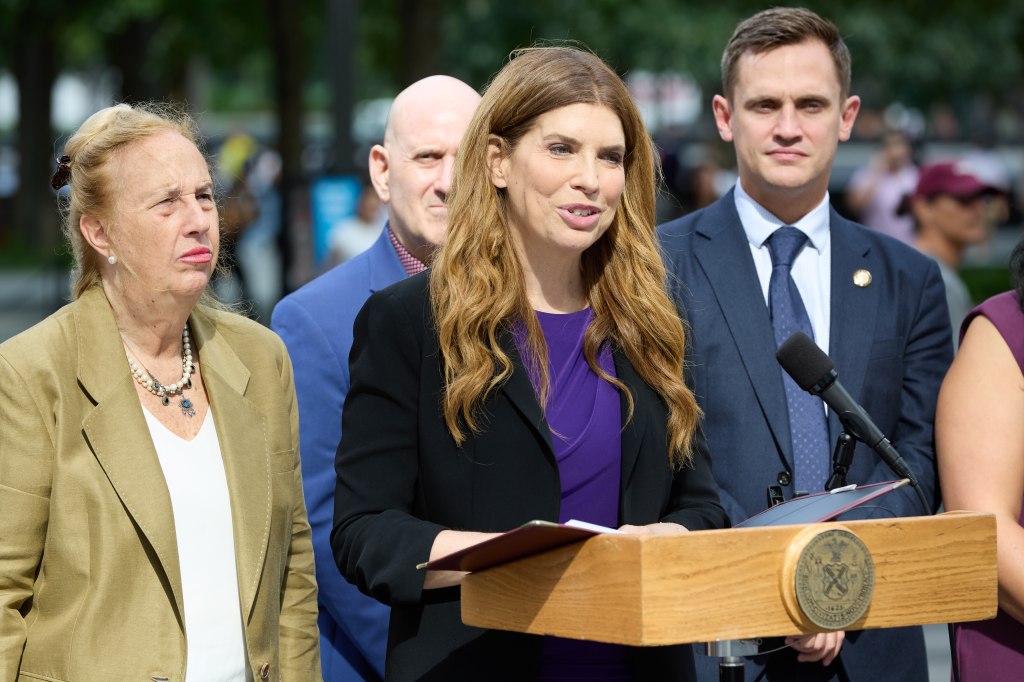
“New York City is fast becoming the technology and AI capital of the world, which we want to encourage,” Menin said in a statement. “But that also means we now have an even greater responsibility to ensure that we have the appropriate safeguards in place to protect New Yorkers from unintended consequences.”
The council’s urgency follows a separate state-level move by Gov. Kathy Hochul, who announced earlier this week that New York will require AI companies to register in a government portal starting in November and to report critical safety incidents within 72 hours.
One core proposal would bar companies from marketing, offering for sale, or deploying AI systems anywhere in the five boroughs without third-party validation of their internal safety claims. Another would mandate so-called kill switches — defined by the council as a “human override that can shut down the system” — on any AI tool used in the city.
Violations would carry a $25,000 fine per offense.
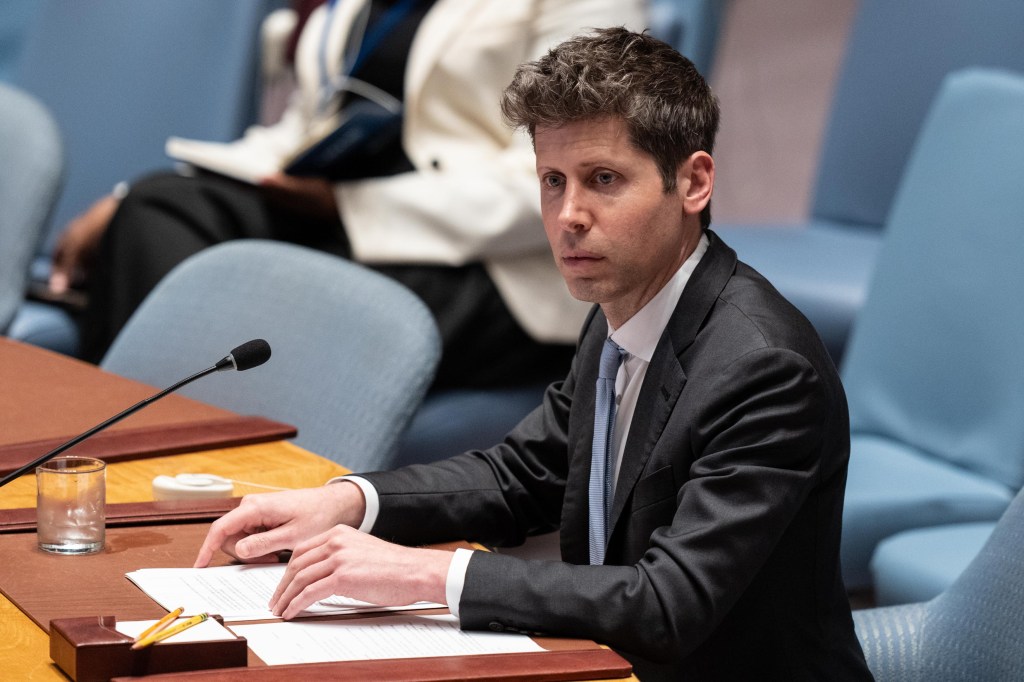
A separate bill would establish what the council calls a “first-in-the-nation-approach” whistleblower program, paying informants from the fines collected from companies they help expose. “We have to remember that the city of New York regulates all sorts of industries,” Menin explained at an unrelated press conference Thursday. “We (have) all sorts of regulations, and yet AI, and we have all the major AI companies located right here in New York, facing very little regulation.”
A council spokesperson clarified that the body aims to regulate firms with offices in the city, and that the proposals are specifically tailored to protect New Yorkers and enforceable by municipal authorities.
The council’s press release tied the legislative push to “growing concerns that advanced and frontier AI model development could pose potentially catastrophic risks” without stepped-up oversight.

Those concerns spiked earlier this month when Anthropic researcher Jacob Coxon resigned, claiming the fast-growing technology “could kill us all by the end of the decade.”
The council-wide hearing scheduled for October 5 will mark an unusual full-chamber gathering devoted to a single policy topic, reflecting the breadth of the proposed regulatory framework.