

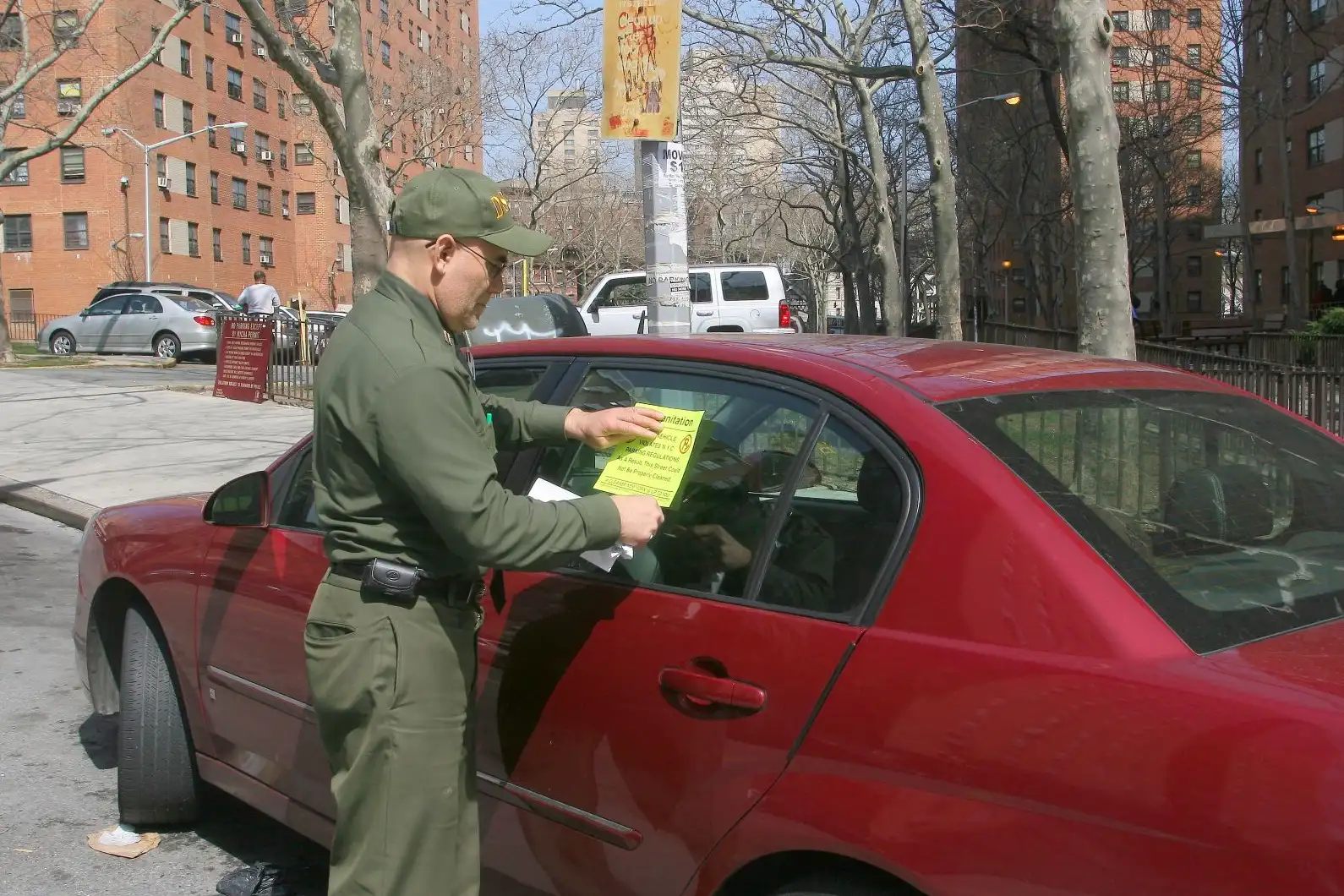
The New York City Council voted 41-10 on Tuesday to bring back fluorescent “shame stickers” for cars that block alternate-side street cleaning, reversing a ban the Council itself put in place in 2011.
https://www.youtube.com/watch?v=9jbGarXhVsI

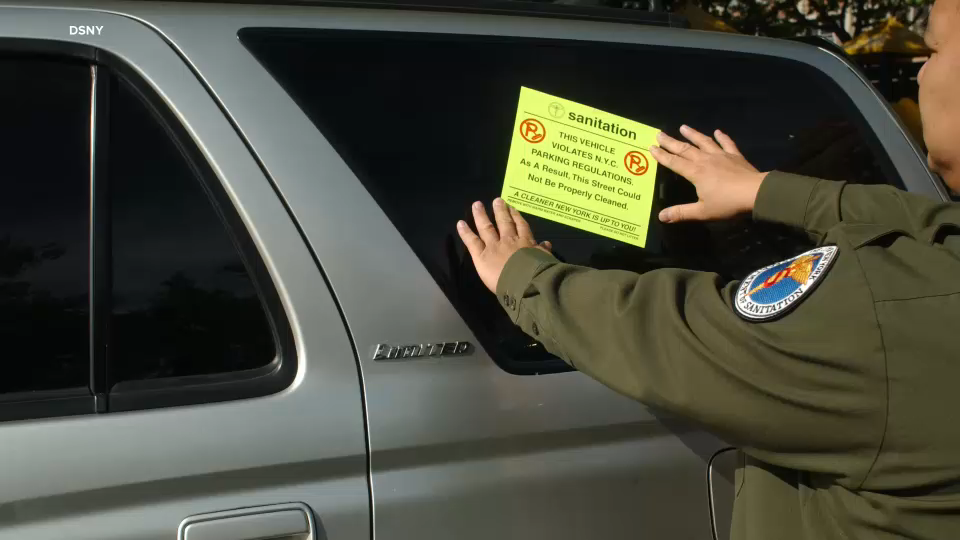
Department of Sanitation workers placed 8.5-by-11-inch neon adhesive stickers on the driver’s-side window of vehicles found violating alternate-side parking rules, with stickers reading: “This vehicle violates NYC parking regulations. As a result, this street could not be properly cleaned.”
According to the Department of Sanitation’s estimations, more than 500,000 vehicles violate Alternate Side Parking rules each week, preventing sweepers from properly cleaning over 3,000 miles of city streets.
The practice had been banned for more than a decade.
The practice was banned in 2011 following complaints that the stickers were difficult to remove and sometimes damaged vehicle windows.
Now it was back.
Brewer, 74, had championed the effort.
“We should undo the stupid law that took the stickers away and put them back,” Brewer said.
She pointed to history in her pitch.

Councilmember Gale Brewer of the Upper West Side pointed out during a hearing the sanitation department as far back as the 1980s would slap the stickers on cars that failed to move for street sweepers.
The city had measured the stickers’ impact on streets.
In 2011, officials argued that the stickers were a more effective deterrent to enforce alternate side parking and had contributed to increasing street cleaning ratings from 73% to 94% on average.
That drop in street cleanliness after the ban was key evidence.
“Street cleaning only works when cars move,” Brewer said.
The Sanitation Department’s acting commissioner backed her hard.
“I was a field supervisor at one point and those were the most effective things that we can do to deter vehicles not moving for alternate side parking, which were the stickers,” Javier Lojan said during the hearing.
A newer administration now led the department.

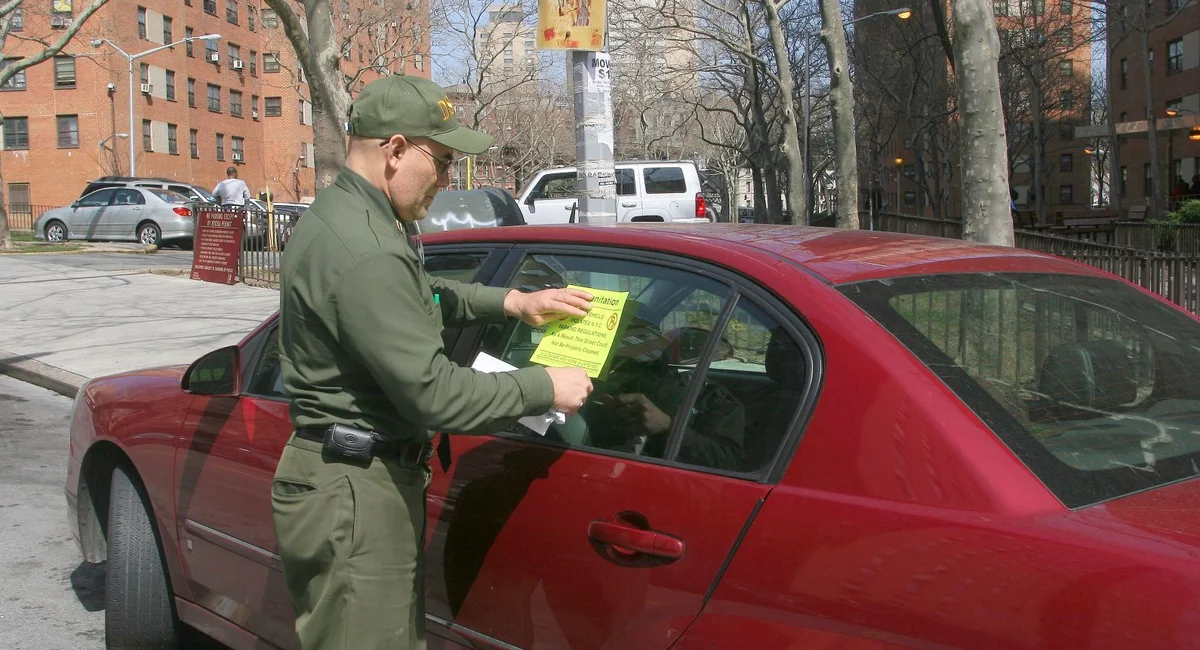
“Selfish car owners who prioritize their convenience over clean neighborhoods will soon be peeling stickers off their cars, while also paying for a summons,” DSNY Commissioner Gregory Anderson said in a department press release.
He added his own messaging.
“Our goal is neither writing summonses nor using stickers. We want people to simply comply with the law, so we can clean streets across New York City.”
Not everyone was sold on the revival.
IT technician Eric Dillard told the Post the stickers are “a pain in the butt” to remove and said “some people are still going to do it anyway.”
A doorman also weighed in.
Doorman JP Plaza, 28, called the measure “a waste of money” and suggested the city simply raise the ticket cost instead.
A former council member attacked it directly.
Former Councilman David G. Greenfield called Intro 92 “a blatant violation of due process,” per the outlet.
The new stickers used improved adhesive, officials said.
Sanitation officials said newer adhesive technology is expected to reduce the risk of damage while providing an additional deterrent alongside parking summonses.
Drivers would face double punishment for the violation.
Drivers who violate street-cleaning rules will still receive a parking ticket — in addition to the large sticker — to make the violation more visible and encourage future compliance.
The $65 fine alone wasn’t cutting it, the city argued.
The $65 ticket wasn’t enough of an incentive, the Sanitation Department said, because there simply aren’t enough tickets being written — only about 1.8 million a year.
Street sweepers across New York had been unable to perform their jobs properly for years. Over 500,000 vehicles per week violated alternate-side parking rules, blocking sanitation trucks and crews from cleaning miles of roadway. The Department of Sanitation measured that after the 2011 ban on stickers took effect, city street cleanliness ratings plummeted from 94 percent down to 73 percent. Council Member Brewer seized on those numbers to argue the stickers worked. Commissioner Gregory Anderson, heading the newly reconstituted department, agreed the visual shame of the neon sticker on a windshield had proven more effective at changing driver behavior than the flat $65 fine. Brewer’s bill to resurrect the program passed with a 41-10 vote on Tuesday, reversing the unanimous ban lawmakers had passed 15 years prior.
The bill still requires the mayor’s signature before it takes effect.