

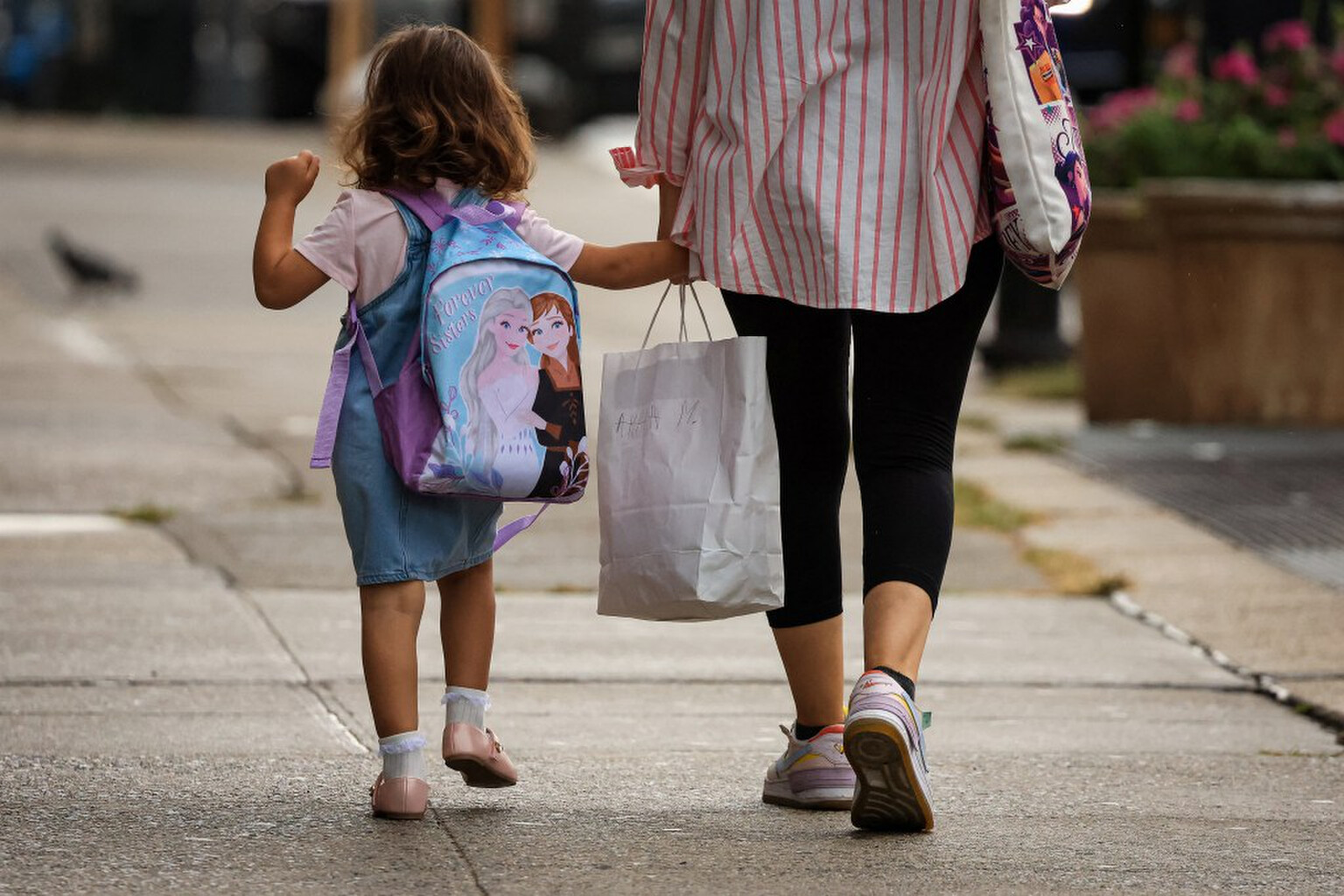
New York City schools will assign staffers as “school avoidance liaisons” to tackle chronic absenteeism after one-third of students missed at least 10 percent of classes last year.
The 2024-25 data shows 33 percent of the system’s students qualified as chronically absent, defined as missing a tenth or more of instructional time. Among disabled students, the figure climbed to 43 percent, according to the most recent numbers available.
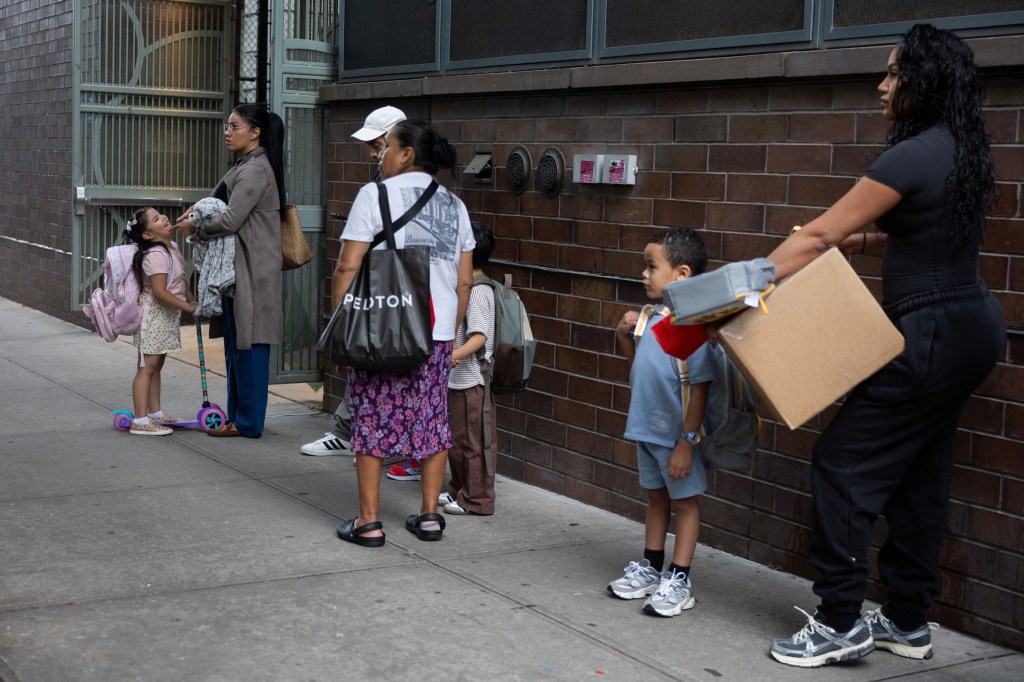
The new liaisons will be existing full-time employees drawn from roles such as teachers, guidance counselors, administrators or social workers, per Department of Education documents. They will not receive additional pay for the added responsibilities. Principals must designate their choices by September 30 as part of their consolidated planning submissions.
These staffers are charged with early intervention, working directly with families of at-risk students and connecting them to mental health resources and other supports to return children to classrooms. School-avoidant behaviors frequently tie back to disabilities or conditions including anxiety and depression.
The liaison program originated from a 2024 class-action lawsuit brought by families of chronically absent disabled students. Those families alleged city schools lacked adequate resources to keep students with disabilities and mental health challenges engaged in their education. The agreement settling that litigation established this new intervention layer.
Craig Slutzkin, treasurer of Parent Leaders for Accelerated Curriculum and Education, an NYC pro-merit group, said the problem has escalated beyond isolated cases. “The uptick in chronic absenteeism over the last few years has reached crisis proportions. Schools need to get creative in addressing the problem,” he said.
David Bloomfield, a professor of educational leadership, law and policy at Brooklyn College and the CUNY Graduate Center, offered measured praise while pushing for broader action. “Outsourcing accountability is not an option,” he said.
A DOE insider pushed back against the model entirely, questioning why classroom staff must absorb another duty. “Why can’t other city departments handle this? This is just another task that is going to divert teachers’ attention from teaching,” the insider said.
The absenteeism crisis unfolds against a backdrop of broader system decline. NYC public schools have shed more than 150,000 students since 2015 according to the latest demographic snapshot. City reading scores for grades 3-8 dropped 6 percentage points from the prior year, with just 50.3 percent of students reaching proficiency on the state’s English Language Arts test. Nearly half of all city schools—over 900—saw half their students fail state math and reading exams.
Research consistently links missed classroom time to severe downstream consequences including depressed math and reading performance, substance use, criminal involvement and ultimately dropping out entirely.
A DOE spokesperson defended the new framework in a statement. “While achieving our shared goal of every student being chronically present will require sustained effort, NYC Public Schools is committed to removing barriers to attendance and ensuring every student has the opportunity to thrive academically, socially, and emotionally,” the spokesperson said.