

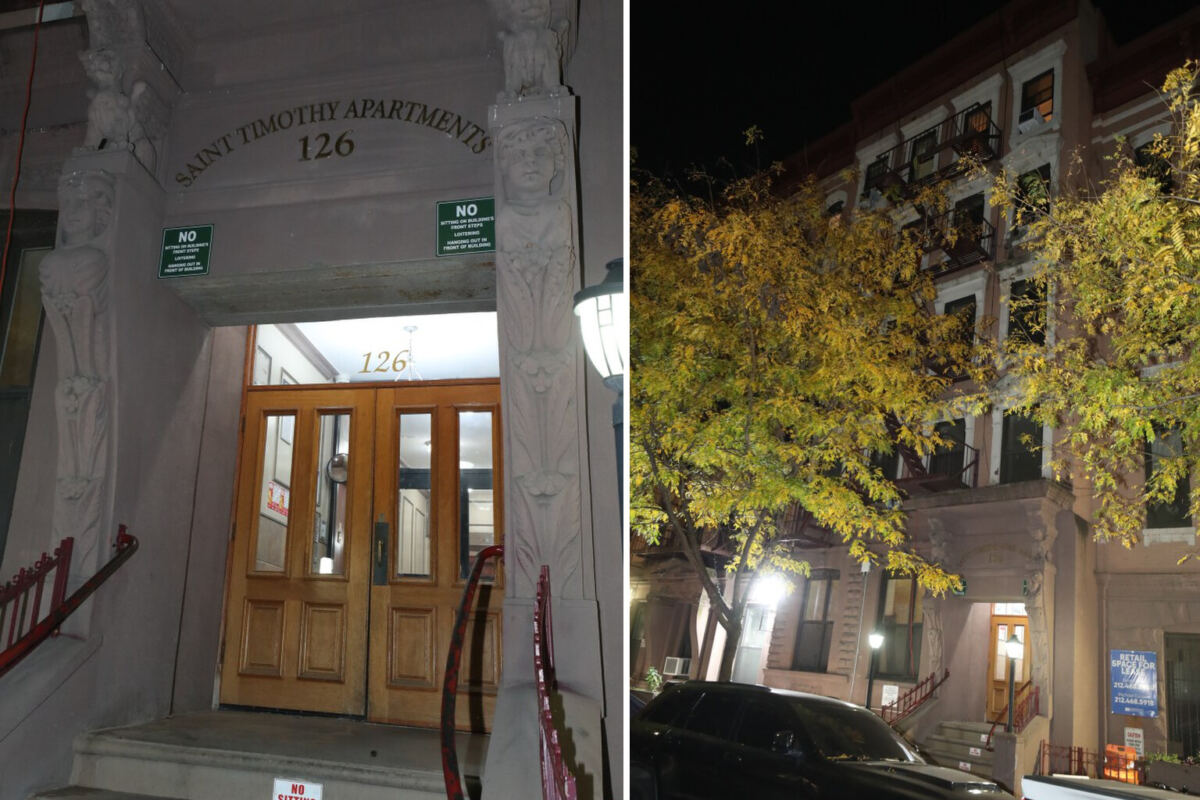
Tenants at a Manhattan rent-stabilized building say they are “living in fear” after their landlord made a secret deal with the city to fill up to 30 percent of apartments with homeless and formerly incarcerated individuals, including active drug users and people with mental illness, without providing on-site support staff.
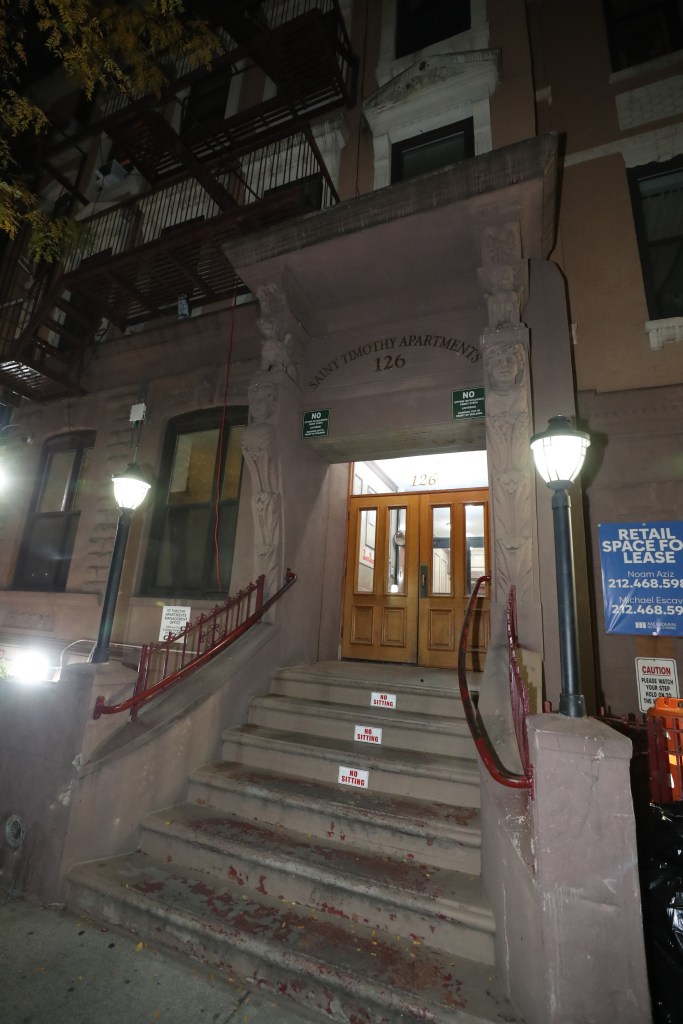
The tenants association at 126 W. 86th St. On the Upper West Side says members were blindsided by the agreement, which allows as many as 23 of the building’s 72 units to be used for “hard-to-place adults” through programs like The Fortune Society, backed by Mayor Zohran Mamdani. The building’s owner, St. Timothy’s and St. Matthews Housing Corporation — a now-defunct church that used to operate across the street — transferred the deed in 2023 to become a Housing Development Fund Corporation, just six months after the murder of 74-year-old tenant Maria Hernandez.
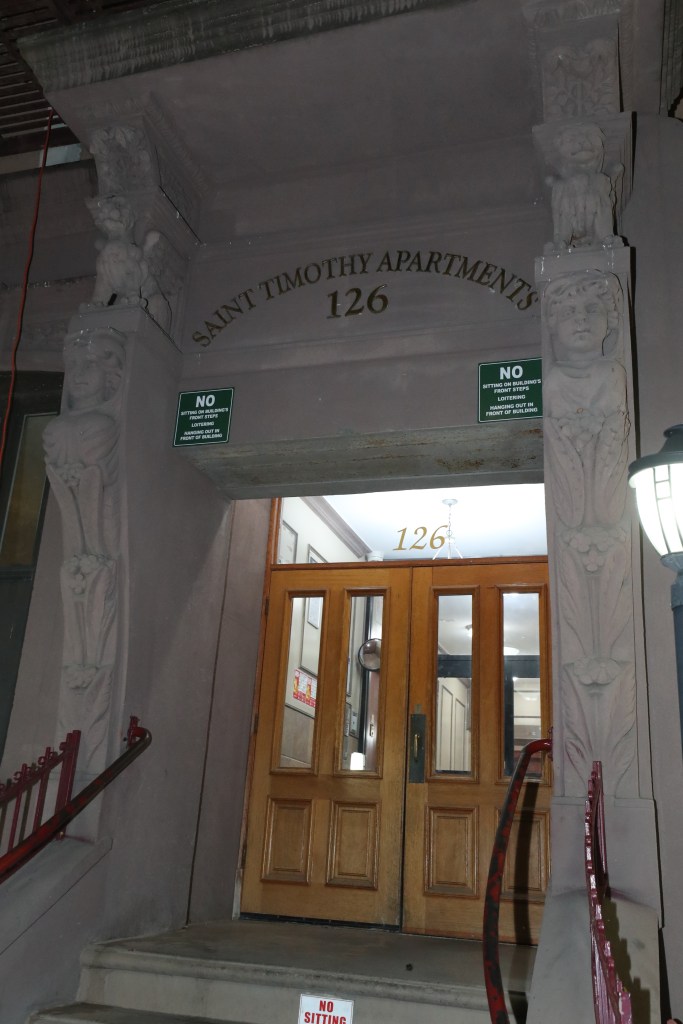
Hernandez was brutally killed by the complex’s ex-convict superintendent, who had been hired without a background check. The 2023 murder still haunts residents, who now face what they describe as a new nightmare. “It is not an exaggeration to say that many tenants are living in fear for their safety,” the Tenant Association said in a statement.
The city canceled more than $2.3 million in property tax debt in exchange for the 2023 deed transfer, and the HDFC entered into a supportive housing agreement with the Department of Housing Preservation and Development that same day — without informing tenants. “This was going on behind the scenes, but none of us were made aware of this,” one long-term tenant claimed. “We just kept getting our rent checks. We just kept paying them to St. Matthew’s and St. Timothy’s. Meanwhile, the church also closed, and we’re still paying rent to them, which felt weird.”
Six tenants interviewed by The Post, all refusing to be named over fear of retaliation or losing their homes, described open-air drug use, trespassing and suspected prostitution as part of their daily lives. Multiple tenants claimed pungent fumes from crack cocaine and meth billow through vents, and unstable residents routinely scream obscenities at all hours. One placement has been arrested three times since moving into the building in 2024, including twice for stabbings, tenants claimed.
“Tenant association officials insist that most, if not all, of the placements require supportive services and supervision, and should not be living independently in a rent-stabilized building filled with children, elderly, and working families,” the group wrote in a statement.
New York City uses two primary models for housing homeless and high-risk individuals: congregate housing, where an entire building is dedicated to supportive housing with on-site social services, and scattered-site housing, where individuals lease conventional private units. The scattered-site model still requires social workers, case managers or weekly mobile crisis teams — but all tenants interviewed claimed they have never observed support staff in or outside the building.
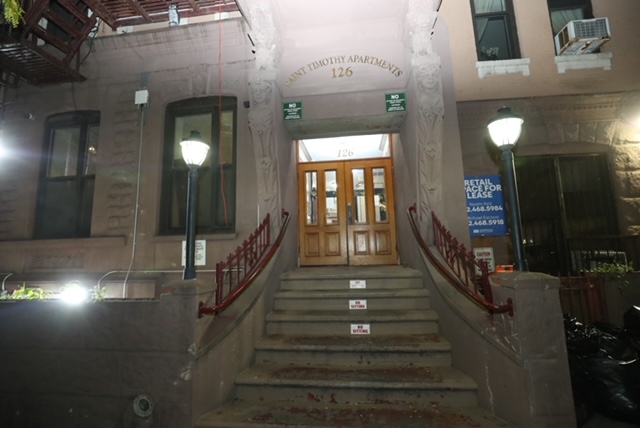
HPD officials and Sisters of Charity CEO Matthew Janeczko told residents at a meeting that placements would be strictly capped at eight units. However, the building’s 40-year Article XI agreement, approved by the New York City Council in 2024 and reviewed by The Post, explicitly permits up to 30 percent of units for alternative placements. The contract also subsidizes the landlord with payments of up to $6,000 monthly for these units. All standard Article XI regulatory agreements require 10 percent of units for formerly homeless households.
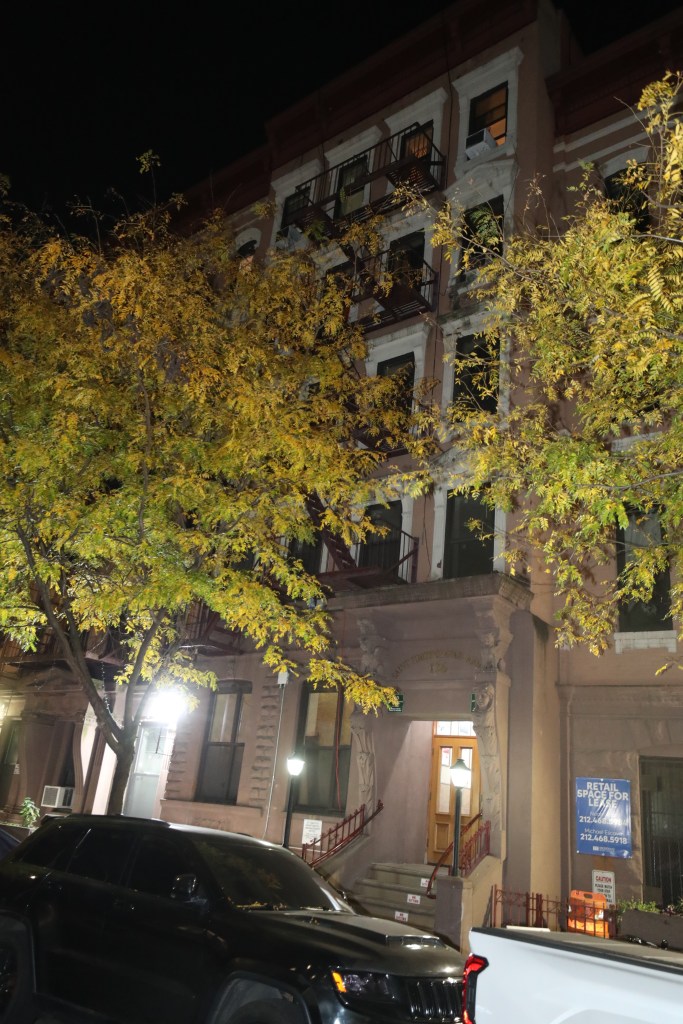
“We don’t want to be a shelter. We don’t want to be program housing,” one disgruntled resident told The Post.
Residents charge the agreement gives the landlord incentive to force out current tenants, many of whom are elderly or work as city teachers and public servants. “We know that as we are rent-stabilized tenants, we know that they can’t kick us out, but they could make our living conditions so horrendous that we just choose to leave,” said one tenant who has lived in the building for over ten years.
Ann Korchak, president of the Small Property Owners of New York, warned landlords fear the model will become normalized. “No New York renter would be immune from the nightmare that the residents of this Upper West Side building are experiencing,” she said. “Small owners are deeply concerned that the City Administration’s supportive housing model will eventually be integrated into privately-owned residential properties.”
The building is now in the process of being sold to another HDFC nonprofit, Sisters of Charity. “We just feel like we’re not being listened to, and we are very concerned that, you know, they’re going to take advantage of the 30 percent and remove those apartments from making rent stabilization,” another tenant and association leader told The Post.
“It is not OK to gamble on our safety,” another longtime resident said. “You have done so already, twice. So what’s it gonna take?”
An HPD spokesperson said officials are “listening to the residents’ concerns” and working with elected officials to address them. “HPD recently oversaw the appointment of a new property management company and is working with them to strengthen the financial and physical stability of the building now and for decades to come,” the spokesperson said. “We are also exploring a transfer of the building to a new nonprofit owner with greater capacity to address long-running issues facing the building.”