

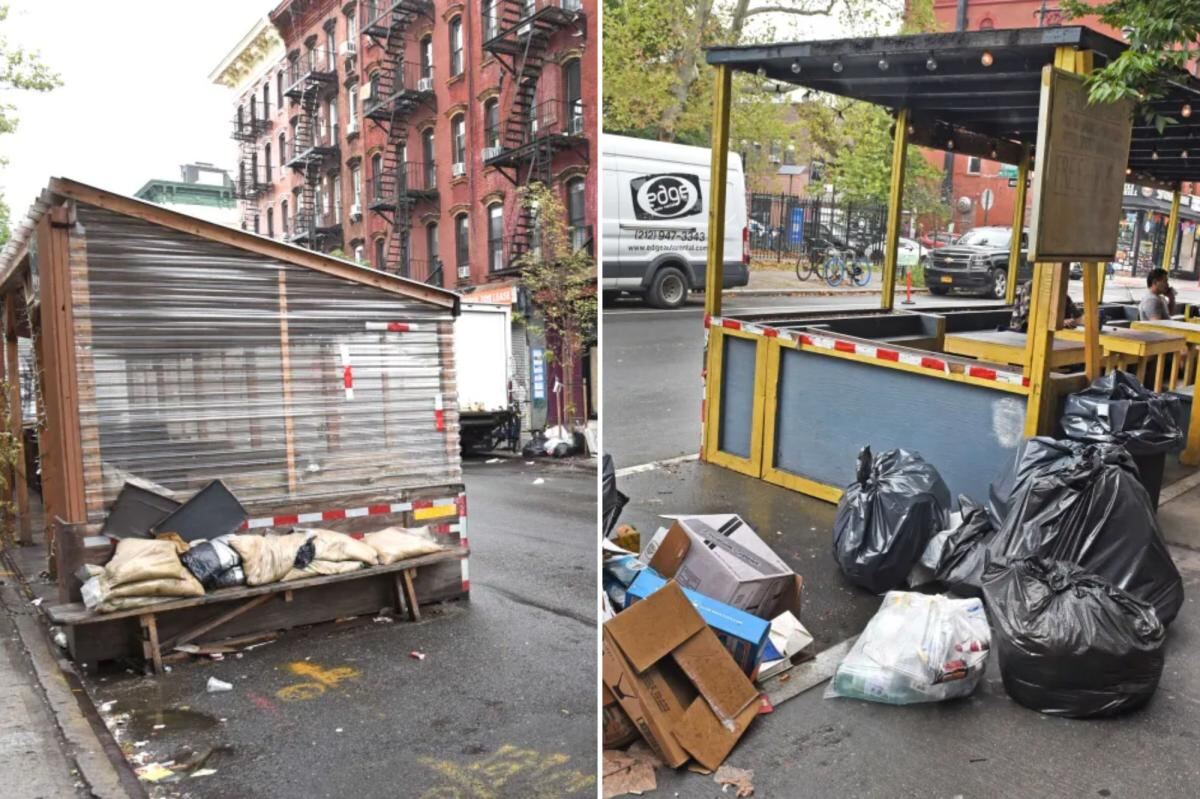
The New York City Council voted Thursday to bring back year-round outdoor dining sheds, scrapping seasonal removal rules that had limited the structures to April through November.
The Council approved four separate bills allowing 12-month operation of roadway and sidewalk cafes, Council Speaker Julie Menin, who strongly endorsed the package, announced. The legislation eliminates the current requirement that sheds come down from December through March and loosens design restrictions that had forced some businesses to remove structures entirely. Mayor Zohran Mamdani has indicated he supports year-round outdoor dining, though the Department of Transportation must still finalize permitting rules.
Restaurant industry leaders immediately praised the move. Andrew Rigie, executive director of the New York Hospitality Alliance, called the new rules “critically important reforms.” An Upper West Side bistro owner said the law was “a whole new ballgame for restaurants.” Under the new fee structure, outdoor seating will cost $5 per square foot in outer-borough neighborhoods and $25 per square foot in mid-Manhattan, fractions of indoor lease rates that can reach $500 per square foot.
Menin had previewed the push earlier in the week. “We are going to fix the outdoor dining program and make it year-round,” she said Monday. She has argued that previous regulations were overly burdensome, noting that strict requirements on placement, size, and materials had complicated participation. A similar bill failed to pass last year under the previous administration.
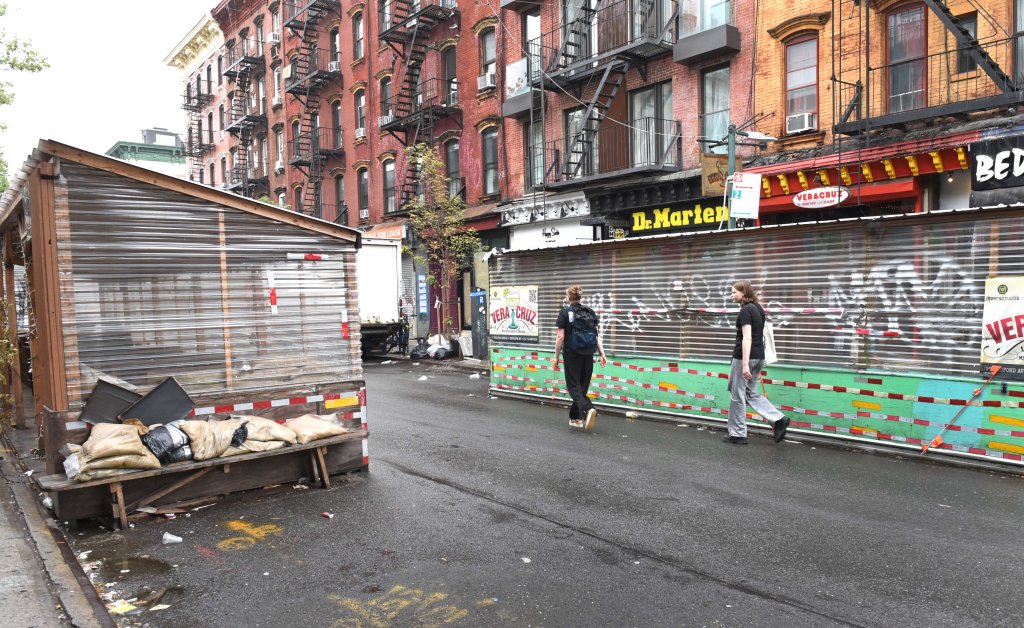
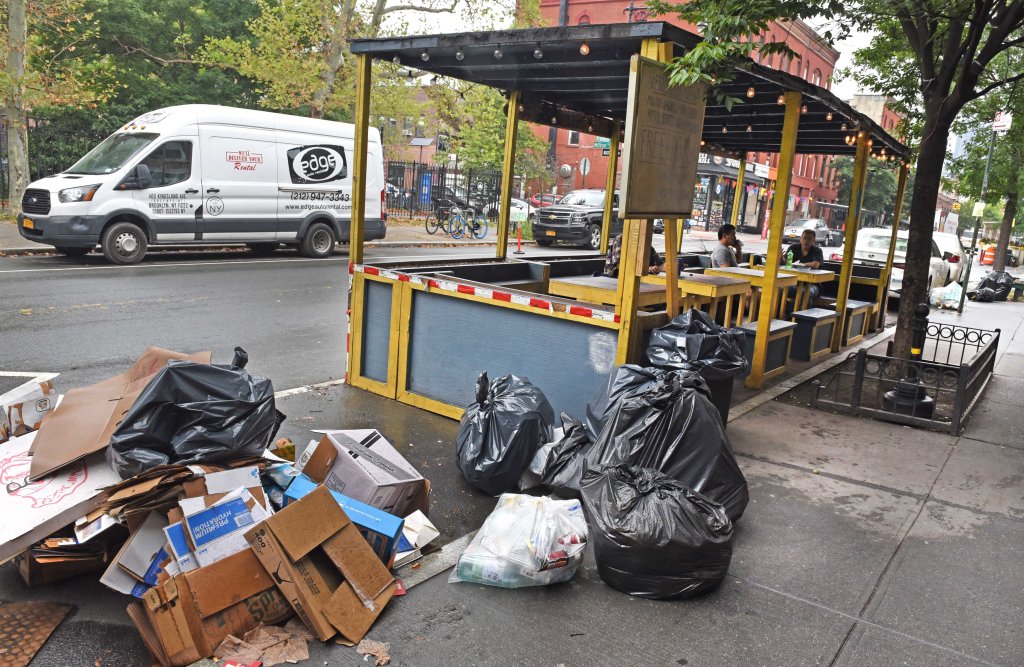
The package includes new enforcement mechanisms, though critics call them inadequate. One bill requires owners “to keep roadway and sidewalk cafes clean [and] free of trash, vermin and graffiti, with a first violation $200 and subsequent ones $500,” according to Council spokesman Henry Robins. Another prohibits using the structures for storage during off-hours. The DOT will “finalize rule making and promptly publish update rules,” Robins added.
Opposition voices warned of recurring problems that plagued the emergency-era program. The outdoor structures first sprang up in summer 2020 as pandemic lifelines for a locked-down industry, giving cooped-up New Yorkers their first restaurant experiences in months. But they continued multiplying after infection rates fell, eventually clogging streets with up to 13,000 legal and illegal structures. Reports said one Midtown Italian restaurant owner tore down his shed in 2021 after discovering a homeless couple engaged in sexual activity yards from his entrance.
The same publication highlighted the sheds’ descent from emergency aid to permanent nuisance, with structures attracting rodents, sheltering drug use, and consuming parking spaces. The Council’s Thursday vote reverses the seasonal compromise that had been reached after years of neighborhood complaints about noise, garbage, and blocked sidewalks.
The legislation leaves unresolved tensions between restaurant owners and residential neighbors. Winter operations in particular raise practical questions, as even heated roadway sheds struggle to compete with indoor dining rooms during blizzards. The DOT’s forthcoming rules will determine how aggressively the city permits new year-round applications and enforces the cleanup mandates.