


Health insurance premiums on the Affordable Care Act marketplace surged dramatically in 2026, and new analysis suggests consumers can expect another year of significant price increases in 2027. A new analysis from the Kaiser Family Foundation examining early rate filings found that insurers are proposing a median premium increase of 14 percent for next year, marking the second consecutive year of double-digit hikes that could leave enrollees paying substantially more for coverage.
The 14 percent increase for 2027 follows a 20 percent median rate increase in 2026, potentially pushing typical premiums up by more than one-third over just two years. The troubling trajectory reflects a fundamental shift in the marketplace triggered by the expiration of enhanced federal subsidies that had made health insurance more affordable since 2021.
At the center of this crisis is the end of pandemic-era enhanced premium tax credits. When these credits expired at the start of 2026, after Congress failed to extend them, roughly 22 million people who benefited from the subsidies suddenly faced dramatically higher costs. For many, the financial shock was immediate and severe. Out-of-pocket premium payments more than doubled on average, with some enrollees seeing their costs increase by 58 percent or more. A 40-year-old earning $65,000 in Indianapolis, for example, saw monthly premiums climb from $316 in 2025 to $477 in 2026, and are projected to reach $546 in 2027.
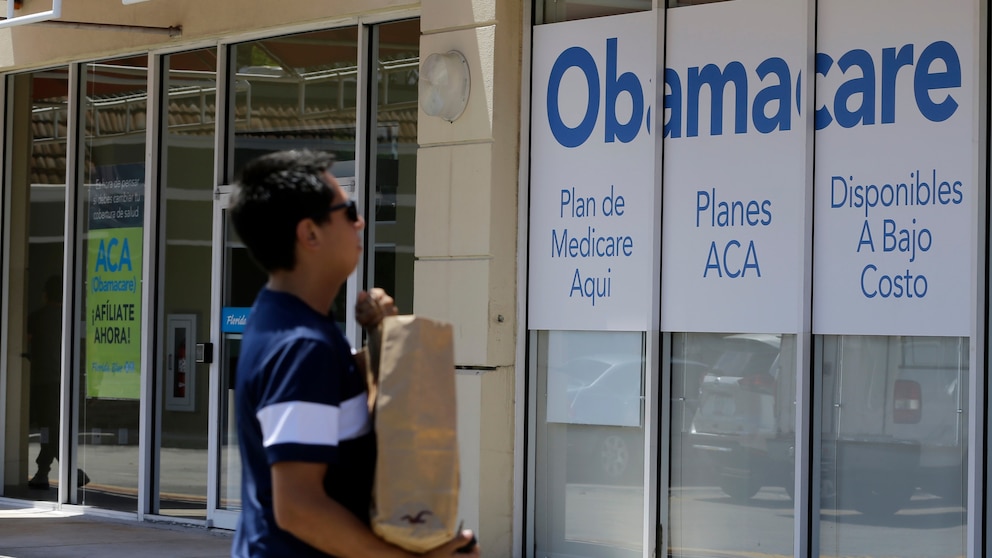
For those without subsidies, particularly middle-income and older Americans earning above 400 percent of the federal poverty level, the financial burden became unbearable. A 60-year-old couple making $85,000 faced potential yearly premiums exceeding $22,600, consuming roughly one-quarter of their annual income. These enrollees had already experienced some of the steepest increases in 2026, with some premiums doubling or tripling, creating what researchers call a “double whammy” of higher list prices and reduced federal assistance.
The enrollment consequences have been significant. More than 2.5 million people dropped out of the ACA marketplace over the past year, with some states experiencing declines of nearly a third of their enrollee population. This exodus was not random: healthier individuals were far more likely to abandon coverage, leaving behind a sicker and more expensive population that requires more medical care. As insurers face a fundamentally altered risk pool, they are forced to raise premiums further to compensate for the higher costs associated with treating a sicker group of people.
Healthcare policy researcher Stacey Pogue from Georgetown University’s Center on Health Insurance Reforms, who studied the filings, explained the dynamic clearly: “When the healthy people leave, the prices go up.” This is precisely what insurers anticipated when developing their 2027 rates. They are now pricing plans with the expectation that the market will continue to shrink and that those who remain will have greater healthcare needs on average.
The 14 percent projected increase for 2027 emerges from multiple pressures on insurers. Rising healthcare costs remain the primary driver, as hospital visits, prescription drugs, and medical care become increasingly expensive. Expensive specialty drugs, labor shortages in the healthcare industry, and consolidation among providers have all contributed to upward pressure on costs. The medical cost trend—the underlying increase in healthcare prices and utilization—is running at approximately 10 percent for 2027, higher than historical averages.

Beyond underlying healthcare inflation, federal policy changes are compounding the pressure. The Trump administration implemented new enrollment and eligibility requirements through the so-called Marketplace Integrity Rule, creating additional uncertainty for insurers trying to predict their 2027 enrollee population. Some insurers have already decided to exit the marketplace entirely. Cigna announced plans to leave the business, affecting about 369,000 members in 11 states. CVS Health withdrew from the market, leaving about 1 million Aetna members searching for new coverage. Centene saw its Obamacare enrollment plummet from 5.62 million to 3.58 million in less than a year.
The shrinking pool of participating insurers is itself a problem. Greater insurer competition traditionally puts downward pressure on premiums, but with fewer players in the market, that competitive force has weakened. The loss of insurers also sometimes forces people into higher-cost plans in their area because their previous plan is no longer available.
The 2027 projections are based on early rate filings from 77 insurers across 16 states and Washington, D.C., and final rates will be determined later this summer. But the trend is clear and likely to persist, as the underlying conditions creating upward pressure show no signs of easing.
For many Americans, this represents a crisis of affordability. Those who qualify for remaining federal subsidies—limited to households earning up to 400 percent of the federal poverty level—may see their share of premiums remain relatively stable if Congress has extended the enhanced tax credits, but no permanent extension has been enacted. Those above this income threshold are facing premiums that are becoming unaffordable, with significant financial consequences.
The broader implications extend beyond individual wallets. If millions more people drop coverage in response to 2027 premium increases, the market could face what some economists warn might become a “death spiral,” where continued exodus of young and healthy people drives premiums even higher, prompting further departures. This would leave insurance increasingly expensive and less viable as a risk-pooling mechanism.
For a health insurance marketplace that had expanded to cover nearly 24 million people through the generosity of enhanced subsidies, the reversal has been swift and painful. Without congressional action to address the expiration of enhanced tax credits or a fundamental restructuring of how the marketplace operates, consumers should expect another year of significant premium increases in 2027 and diminished coverage options in their regions.