

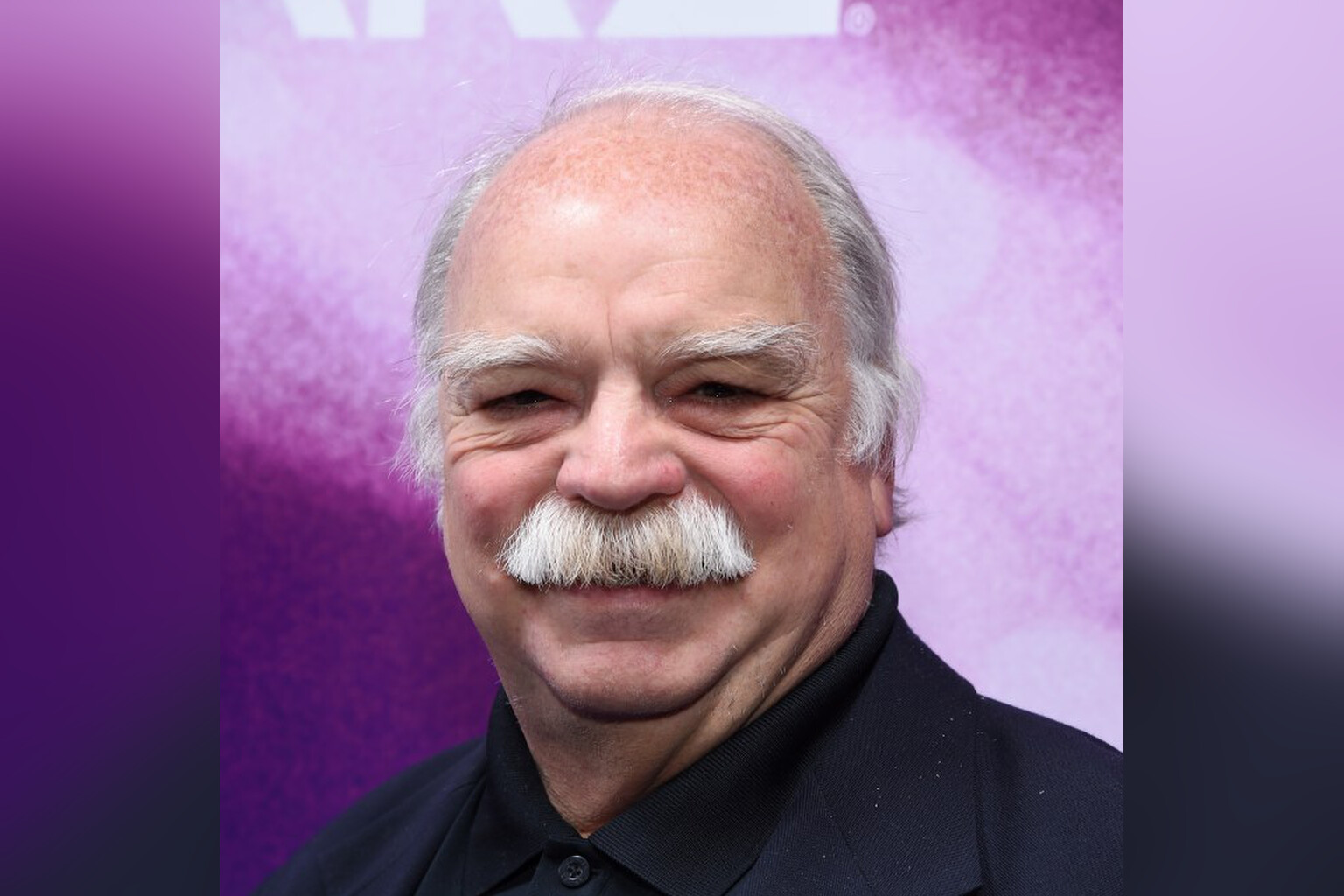
Richard Riehle, the prolific character actor beloved for his turn as the long-suffering Tom Smykowski in “Office Space,” has died at 78.
Friends of the actor confirmed his death to the outlet on Monday. They said he passed away on Oct. 15 of natural causes.
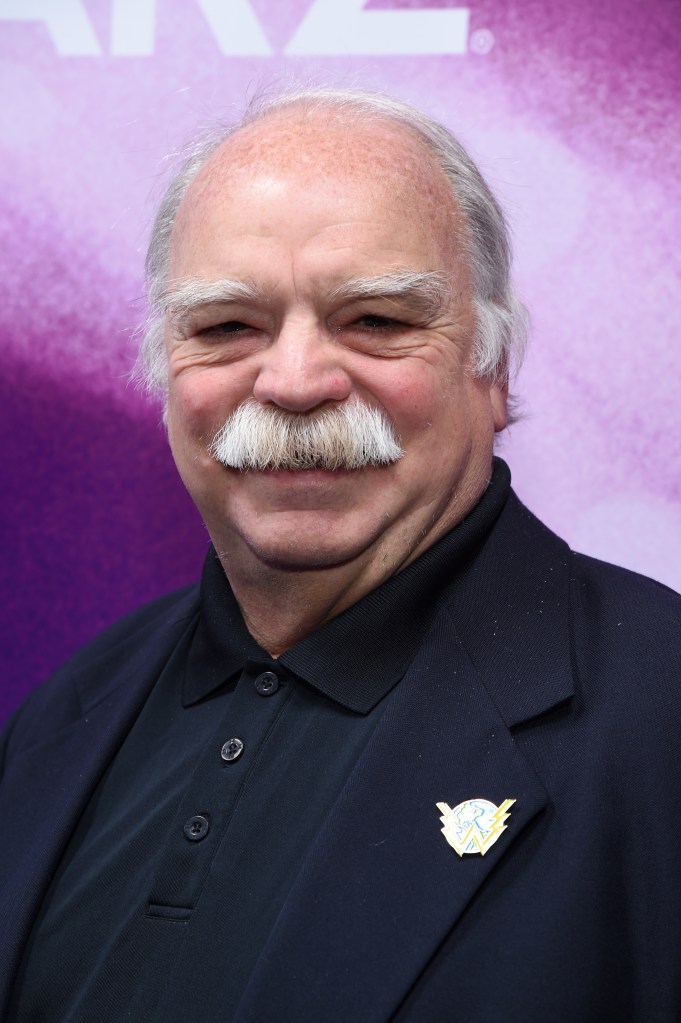
Riehle built one of Hollywood’s most quietly staggering resumes across decades in film and television. His career encompassed more than 400 credited projects, a volume that placed him among the most frequently working actors of his generation even as his name rarely topped marquees.
The 1999 Mike Judge comedy “Office Space” supplied his signature role. As Tom, a middle-aged product manager fixated on his fear of being “let go” and nursing a desperate scheme involving a botched hypnosis and a purloined stapler, Riehle embodied a particular strain of white-collar anxiety. The performance became a touchstone for fans of the cult classic, which grew from box-office disappointment to generational workplace satire through DVD and cable reruns.

His filmography reached well beyond Judge’s cubicle farm. Riehle appeared in Martin Scorsese’s 1995 crime epic “Casino,” adding to the sprawling ensemble of the Las Vegas saga. He also featured in “The Man from Earth,” the 2007 science-fiction drama built around a single conversational premise that developed its own devoted following through word-of-mouth and streaming.
The breadth of Riehle’s work reflected the demands and the grind of a working character actor’s life in Los Angeles. Four hundred roles meant four hundred sets, four hundred costumes, four hundred call times — the accumulated labor of someone who made himself indispensable through reliability and range rather than leading-man glamour.
Tributes from viewers circulated online as news of his death spread, with many singling out the “Office Space” performance as a defining piece of 1990s comedy. The film’s ensemble — including Ron Livingston, Jennifer Aniston, Gary Cole, and Stephen Root — has remained closely associated with their roles in the years since, a testament to how sharply Judge and his cast captured the absurdities of corporate existence.
Riehle’s death on Oct. 15 came without prior public indication of illness. Friends rather than family representatives or professional handlers served as the initial source of confirmation to the outlet, a detail that suggested the private nature of his final days. Reports said that it had reached out to representatives for comment but had not received a response by the time of publication.
The natural causes cited by those close to him offered no further specifics about the circumstances. At 78, Riehle had remained active enough in recent years that his death registered as a sudden loss for those who followed his steady presence across screens large and small.
His legacy resides in that cumulative screen time — the hundreds of appearances that made his face familiar even when his name escaped immediate recall, the kind of career that sustained an industry and its storytelling machinery without ever fully centering the performer in the public imagination.