

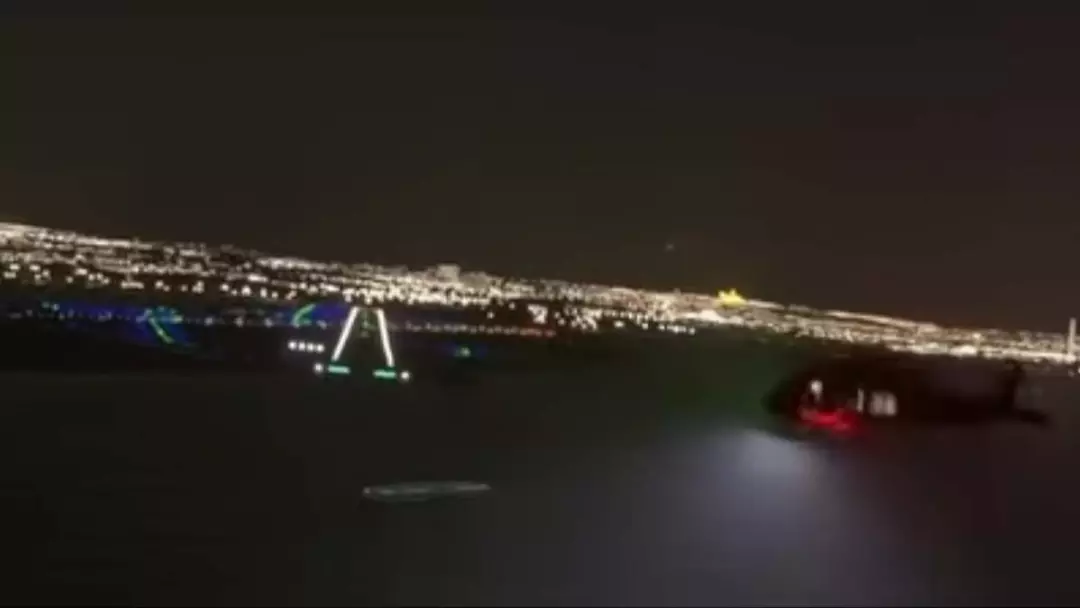
Investigators have released simulated footage of the deadliest plane crash in the last two decades, as they seek to understand why American Airlines Flight 5342 collided with a US Army Black Hawk helicopter.
The devastating accident resulted in the deaths of all 67 passengers and crew members on both the Bombardier CRJ700 regional airliner and the Army Black Hawk. The collision happened as the airliner was making its final approach to Reagan National Airport.
Following the catastrophic event, there was widespread speculation about the level of responsibility each pilot held in the mid-air collision. However, a simulation published by the National Transportation Safety Board (NTSB) has highlighted a significant factor contributing to the failure of both aircraft to maintain separation.
By utilizing Microsoft’s Flight Simulator 2024, the independent federal agency recreated the events leading up to the crash involving both the Black Hawk of the US Army’s 12th Aviation Battalion and the American Airlines medium-haul aircraft.
The Black Hawk was under the command of Captain Rebecca Lobach, who was in the process of completing her annual night flying evaluation, along with Chief Warrant Officer Andrew Eaves and Staff Sergeant Ryan O’Hara.
The simulation highlights the difficulties faced by the helicopter pilots, who struggled to maintain visual separation from the much larger airliner, which was camouflaged by the lights of Washington DC behind it.
According to the NTSB, the Black Hawk was flying approximately 100 feet above the 200-foot altitude limit for helicopters in the vicinity of the airport. This airport is within one of the most tightly regulated and complex airspaces in the United States due to its proximity to key government buildings.
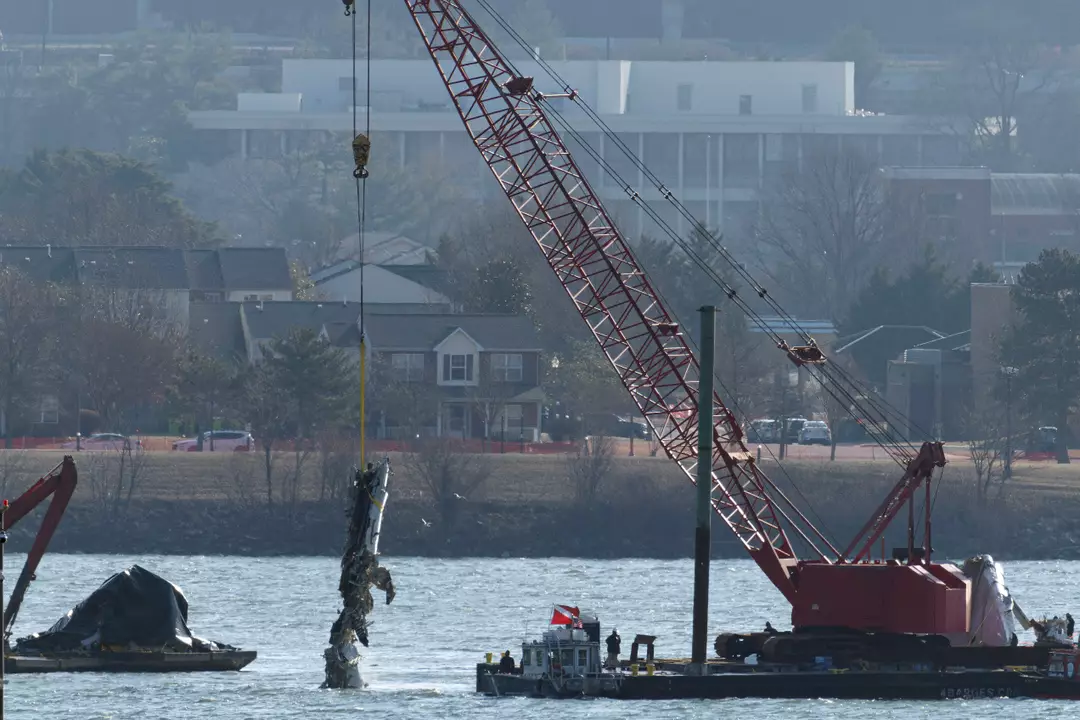
Initial NTSB findings suggest that an equipment malfunction might have been responsible, as other altimeters in the battalion also displayed incorrect altitude readings.
The simulation by investigators illustrates the sudden appearance of the American Airlines flight out of the darkness for the Black Hawk pilots.
Likewise, the American Airlines crew had mere moments to respond to the unexpected sight of the helicopter in their flight path, due to the darkness.
NTSB board members concluded there were numerous errors and systemic issues involving several organizations linked to the crash, with the FAA facing the harshest criticism.
Pilots flying at night were unable to detect the potential conflict between the helicopter and the American Airlines flight due to insufficient charts provided by the FAA for the area around the busy airport.
Despite thousands of ‘close proximity events’ in recent years, the federal government accepted responsibility for the crash in December 2025, as valid separation routes for aircraft around the airport had not been established.
The Justice Department acknowledged its ‘duty of care to plaintiffs, which it breached, thereby proximately causing the tragic accident.’ It also stated that both pilots ‘failed to maintain vigilance so as to see and avoid each other.’