

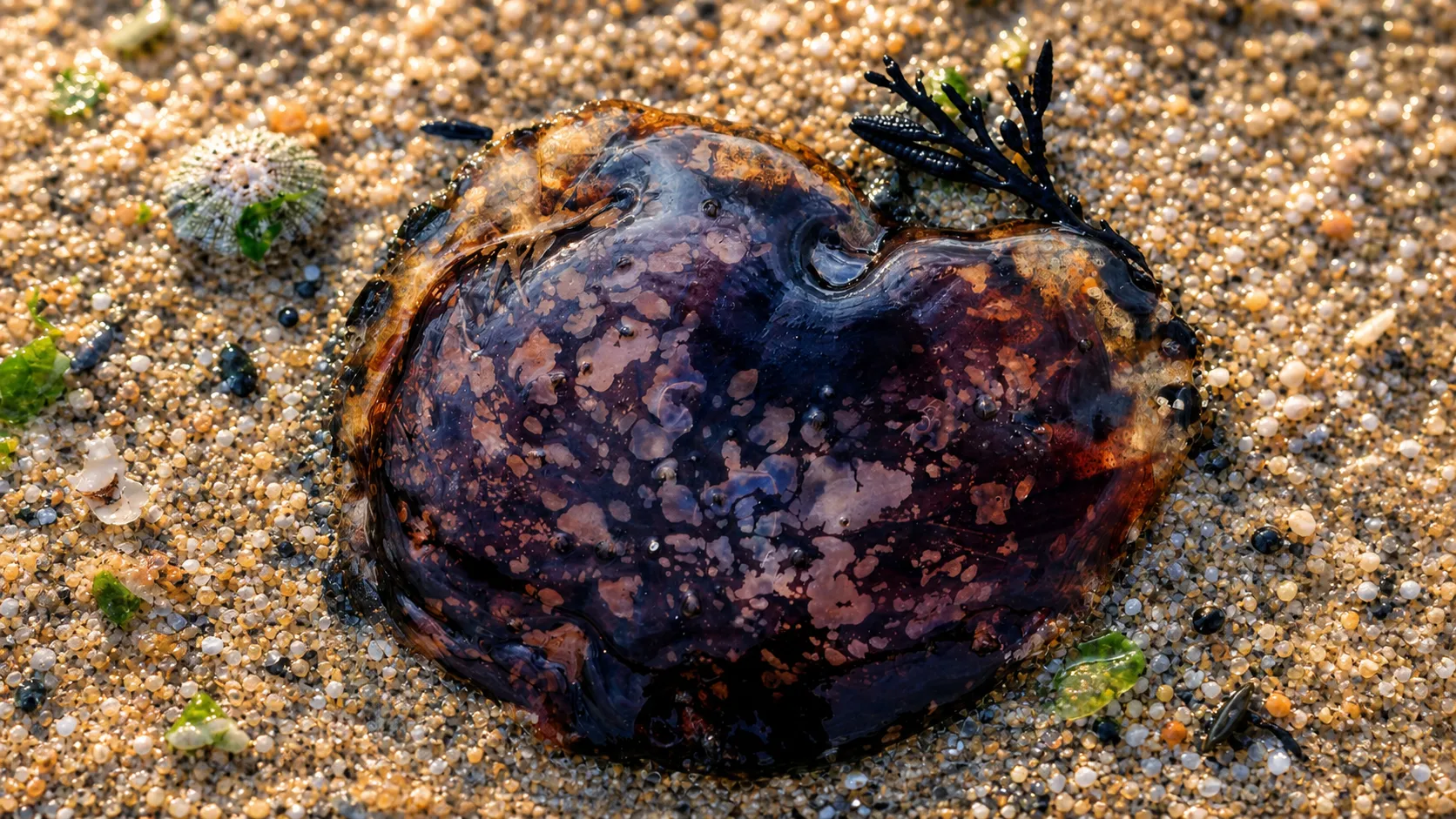
Beachgoers along parts of the US Northeast are being warned to steer clear of washed-up jellyfish, as a surge in giant lion’s mane jellyfish has been reported across the New England coastline.
Reports from Massachusetts describe thousands of the creatures turning up on beaches stretching from the North Shore to Cape Cod and Nantucket, with the recent spike described by local experts as the biggest such phenomenon in the region since 2020. Maine has also seen a noticeable presence, with local coverage noting the return of native jellyfish species as well.
Even so, experts say it is best not to get close enough to figure out what species has landed on the sand. Lion’s mane jellyfish can still sting after washing ashore, and even dead specimens may remain dangerous because their tentacles can continue to trigger painful reactions.
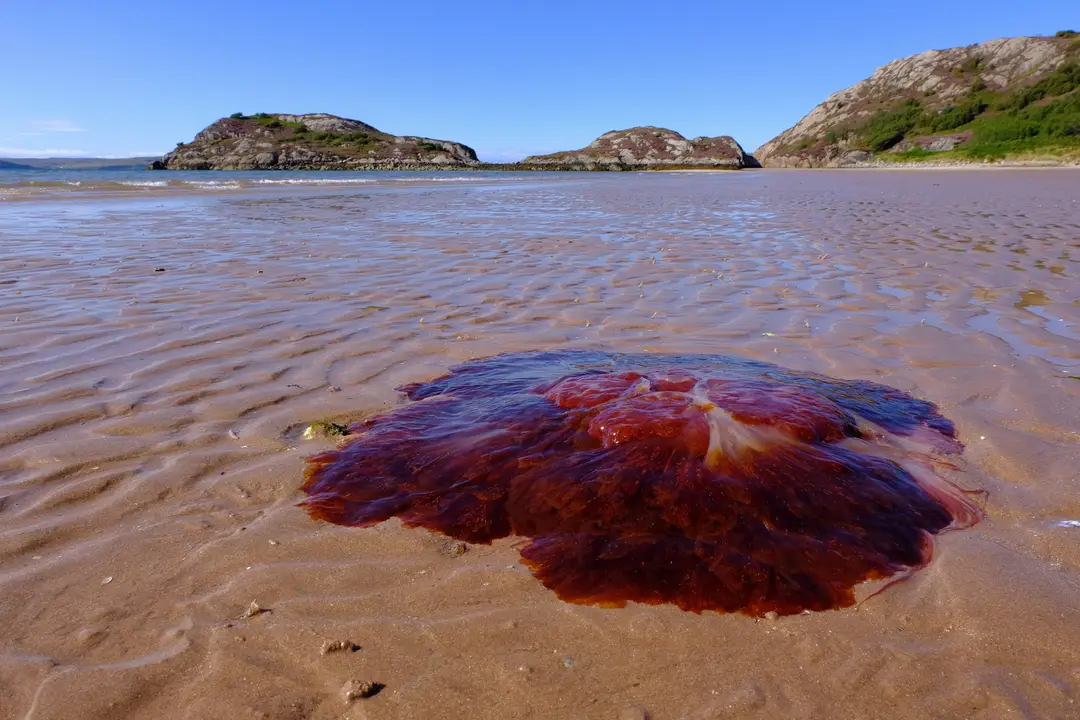
According to Great Marsh Kayak Tours in Eastham, Massachusetts, the animals have been turning up in significant numbers after being swept into marsh areas by the tides.
“Right now, Cape Cod is inundated with lion’s mane jellyfish! Multiple thousands of them have gotten swept into the marsh with the tides.”
Officials in Beverly, Massachusetts, also issued a warning last week, advising residents to keep their distance from any stranded jellyfish.
“Keep children and pets away from stranded jellyfish. … Do not touch jellyfish or detached tentacles, even if they appear dead.”
The Smithsonian identifies the lion’s mane jellyfish as the largest jellyfish species in the world, and some references note that its tentacles may reach as much as 120 feet in length.
Its tentacles carry potent neurotoxins that can trigger a range of symptoms, from skin irritation and welts to breathing difficulties and, in very rare cases, death.
The Mayo Clinic advises that anyone stung should carefully remove visible tentacles with fine tweezers, then soak the affected area in hot water between 110 and 113 degrees Fahrenheit until the pain begins to ease. Hydrocortisone cream or ointment can then be applied afterward.
Marine specialists say several factors may be contributing to the increase, including warmer ocean temperatures, wind and tidal movement, plentiful food, and sheltered coastal conditions that help the jellyfish thrive before they are carried ashore. NOAA has also noted that tides, currents, water temperature and coastal conditions can all affect how and where jellyfish blooms appear.
Researchers also say that while jellyfish blooms are not unheard of, a spike like this can sometimes point to wider environmental shifts.
“Jellyfish are a natural part of the marine environment, and their presence can vary with tides, currents, and weather conditions.
“While beach operations remain open at this time, we encourage all visitors to remain alert and follow instructions from lifeguards and staff.
‘If you experience a jellyfish sting or require assistance, please notify a lifeguard or staff member immediately.”