


The Trump administration’s aggressive pursuit of the outlet journalists and their family members has escalated a brewing crisis over government secrecy and press freedom, with officials seeking phone records in an unprecedented effort to identify sources who disclosed information about security vulnerabilities in the new Air Force One.
Federal authorities sought records not only from the four Times reporters who broke the story but also from the spouses of two of those journalists, according to filings that emerged when the newspaper challenged the government’s demands. The extraordinary scope of the investigation reflects an administration willing to cast an unusually wide net to unmask confidential sources whose reporting angered President Donald Trump.
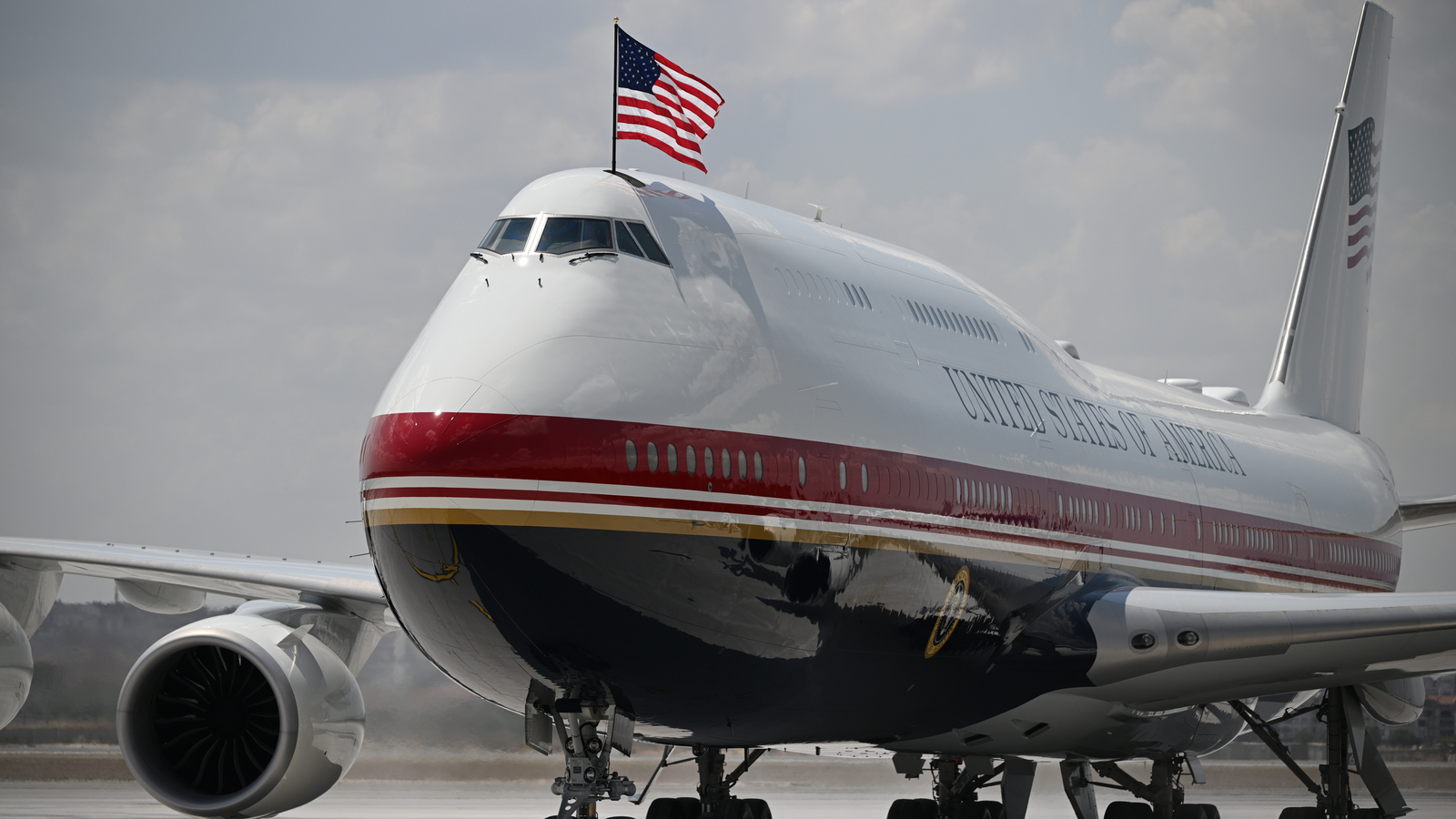
The controversy erupted after the Times published reporting that Trump switched from a new Qatari-donated Air Force One to an older model before departing a NATO summit in Turkey last week, citing security concerns expressed by the Secret Service. A follow-up story disclosed that the new jet lacked the same defensive countermeasures as the older aircraft, including advanced antimissile capabilities. Both articles relied on anonymous sources.
The Justice Department, acting on what appeared to be White House direction, issued subpoenas to reporters Julian E. Barnes, Eric Lipton, Tyler Pager and Eric Schmitt, demanding they testify before a federal grand jury in Manhattan. Federal agents delivered some of the subpoenas directly to reporters’ homes on a Friday evening. The extraordinary action prompted the Times to characterize the government’s behavior as a brazen assault on press freedom and move to quash the subpoenas in court.
Behind the scenes, a more expansive investigation unfolded at the White House. FBI Director Kash Patel was diverted from a planned trip to Chicago to take personal command of what officials described as a “war room” in the West Wing. Patel worked from an office adjacent to White House Chief of Staff Susie Wiles for roughly seven hours as the two coordinated what one source called an intense, coordinated effort to identify the leaker. Investigators demanded that government officials who traveled with Trump or had roles in the NATO trip turn over their cell phones. Not all officials who were asked to comply did so, according to reporting about the leak probe.
The scope of the inquiry and the targeting of journalists’ family members represent a departure from decades of Justice Department tradition. In April 2025, Attorney General Pam Bondi rescinded a Biden-era policy that had protected journalists from having their phone records secretly seized during leak investigations. The new guidelines expanded the types of information that could trigger demands on journalists, loosening restrictions from classified information to material deemed simply “sensitive” or “protected.”
Still, even under the revised rules, Justice Department policy states that subpoenas against journalists should be “narrowly drawn” and pursued only when other investigative avenues have been exhausted. Seeking records from journalists’ spouses appeared to exceed those parameters.
The administration framed its actions as necessary law enforcement. Justice Department officials said their focus was on those leaking classified information, not the reporters themselves. They emphasized the gravity of potential national security concerns related to vulnerabilities in the president’s aircraft. But critics from across the political spectrum condemned the move as an assault on First Amendment protections and press freedom.
The Reporters Committee for Freedom of the Press said the subpoenas broke from “longstanding Justice Department practice” by failing to treat compulsion of journalist testimony as a measure of last resort. Press freedom advocates noted that the mere prospect of grand jury testimony sends a chilling message to sources and journalists alike, potentially deterring future disclosures about government operations and decision-making.
The subpoenas were issued by U.S. Attorney Jay Clayton of the Southern District of New York, who has been nominated by Trump to serve as director of national intelligence. The move came shortly after Patel and other Justice Department officials met with Trump at the White House to discuss the leak investigation.
The Times’ legal challenge centers on multiple grounds. The newspaper argued that the subpoenas are overbroad, that they fail to meet the demanding legal standard for compelling journalist testimony in criminal matters, and that the effort to obtain records from family members exceeds any reasonable investigative purpose. The newspaper’s deputy general counsel characterized the action as an attempt to suppress reporting and intimidate journalists from doing their jobs.
The episode represents the latest in a series of confrontations between the Trump administration and major news organizations. Earlier in the year, FBI agents searched the home of the outlet reporter Hannah Natanson, seizing her phones and laptops as part of a leak investigation. The administration has also filed significant lawsuits against news outlets, threatened to revoke broadcast licenses, and pursued financial settlements with media organizations over coverage the president found objectionable.
Trump has simultaneously pursued separate legal actions against the Times itself, accusing the newspaper of defamation and attempting to undermine his political fortunes. The combination of regulatory pressure, legal threats, and now law enforcement action against individual journalists creates a landscape in which sources may fear consequences for communicating with reporters about matters the government prefers to keep secret.
The case raises fundamental questions about the balance between national security interests and constitutional protections for newsgathering. While legitimate government interest in protecting classified information is undisputed, civil liberties advocates argue that the administration’s methods exceed what the Constitution and longstanding legal precedent permit, and that the chilling effect on press freedom ultimately harms the public’s interest in understanding how government operates.