

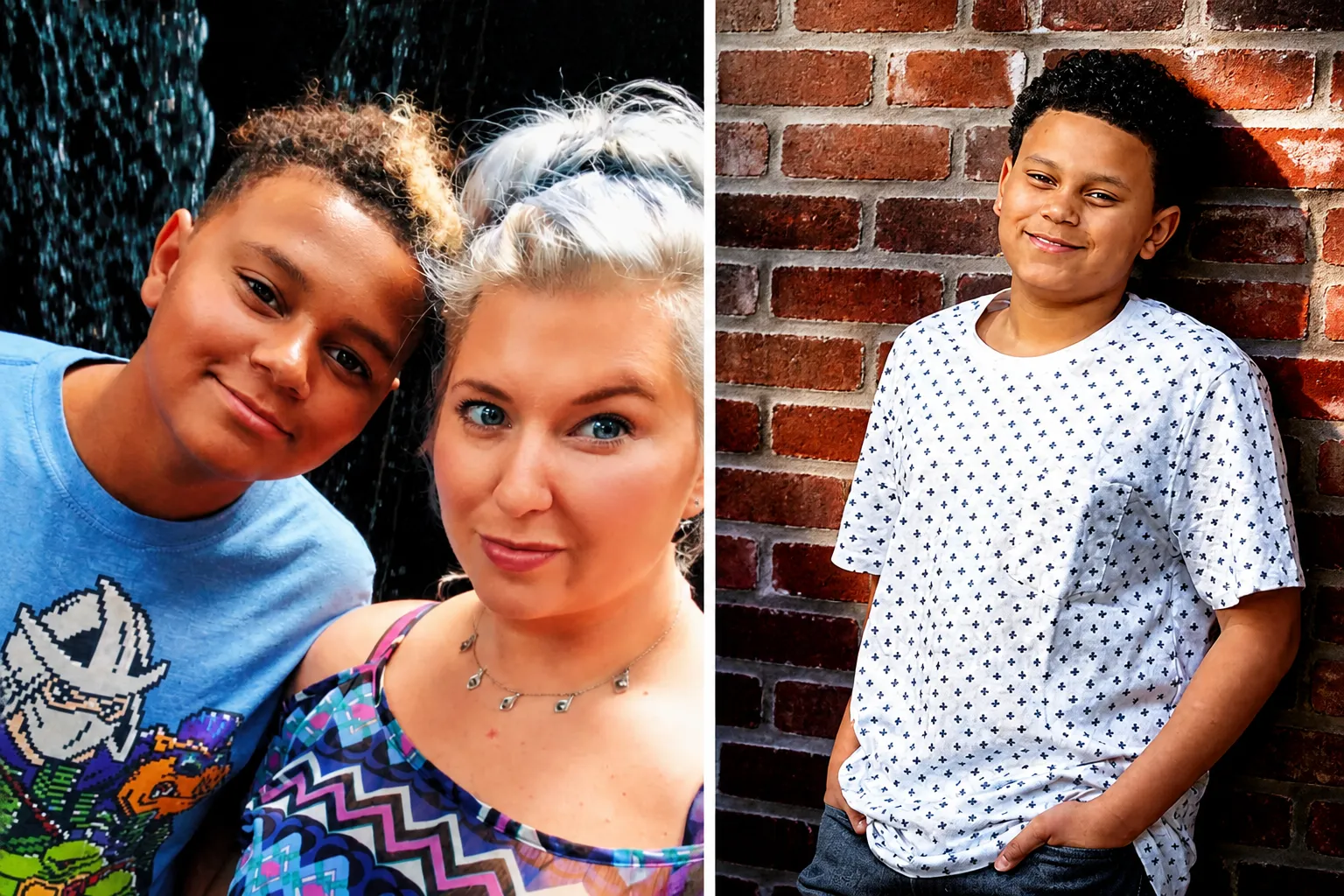
Andrea Mauk is fighting to change Ohio law after her teenage son’s tissue was donated without her knowledge or consent.
Mauk, 42, was in Costa Rica with her husband when her 18-year-old son Damon died in a single-car crash on June 24, 2023, in Lucas, Ohio. She had just graduated high school and was studying for his real-estate license when his vehicle slid off a rural road and struck a tree. Her parents delivered the news, and Mauk says she had to be sedated.
“I was completely devastated,” Mauk told The Post. “I went to the funeral home and couldn’t even look at him after they’d taken pieces of his body. They stole my son’s eyes. I didn’t want to remember Damon like that.”
Mauk says the hospital never contacted her, though records listed her as Damon’s primary emergency contact. Damon was not a registered organ donor. Consent for tissue donation was instead obtained from his biological father, a man Mauk says had minimal involvement in their son’s life. By the time Mauk returned from Central America, Damon’s eyes, skin, heart valves, ligaments and other tissue had already been recovered as “anatomical gifts.”

“I loved Damon very deeply,” she said. “I had him when I was very young and we always joked that we brought each other up. We were incredibly close. A call to me was all I wanted. Decisions I didn’t get to take part in were made.”
Mauk later learned some of her son’s tissue went to research or biologics organizations, and his eyes were sent to Argentina. She has also said she received conflicting information about her son’s cause of death, telling one outlet she has four different death determinations from various records.
The Organ Procurement Organization was operating within existing law. Federal rules require hospitals participating in Medicare or Medicaid to notify OPOs of deaths and imminent deaths, often within 60 minutes, even when a person is not a registered donor. The OPOs must then approach family members, and face financial penalties if they do not.
“So initially, there were just some mistakes made that because I was not there, I wanted to look into,” Mauk said in an interview. “And it started with, my son’s medical records. And I noticed that the very first call when he passed away was to LOOP, which I later found out stood for Lifeline of Ohio Organ Procurement Organization. And they actually put a hold on his body despite not being an organ donor.”
Mauk said the process moved with startling speed. “So it happened very quickly. So once Damon passed, he went from the hospital to his organ procurement, and then he had an autopsy after that. From that, he was then returned to our county coroner’s office,” she recounted.
She also raised concerns about where anatomical gifts end up. “And because of how our legislative body is written in the UAGA, this is actually able to have anatomical gifts to be sold to for-profit companies,” she said. “So once I found that Damien’s anatomical gifts had been sent to Argentina, for example, his eyes, I started to ask questions. Not only did my son’s eyes go to Argentina to an international hospital, he was also had his skin and ligaments donated to a biologics research company.”
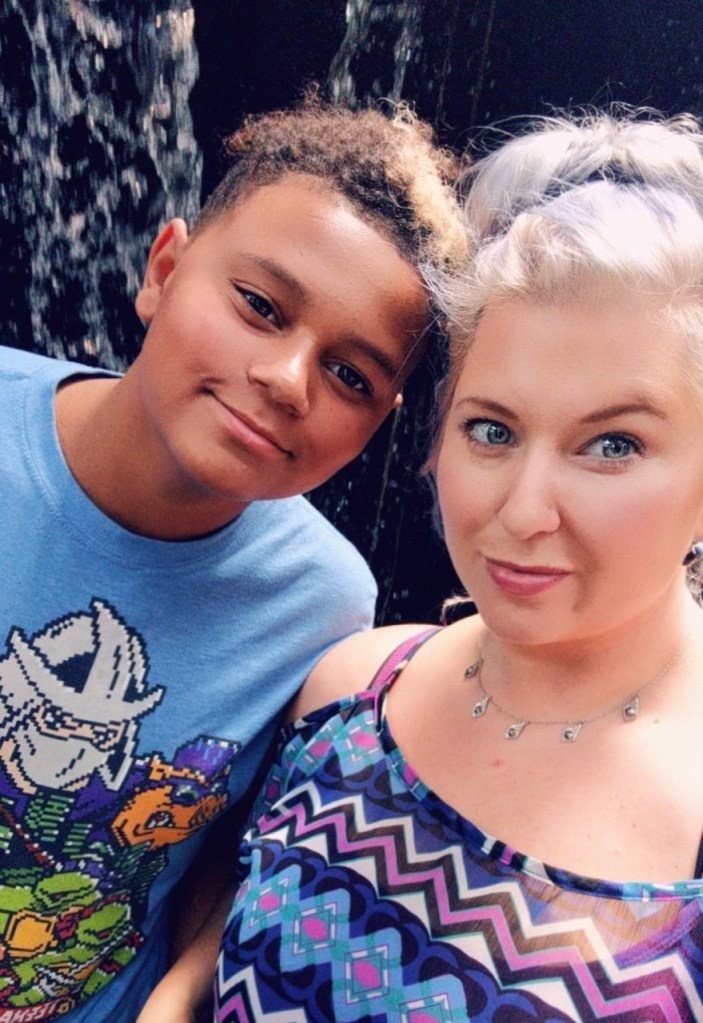
Mauk channeled her grief into political action. She contacted Ohio lawmakers and testified before the state Senate about what she sees as critical flaws in the Uniform Anatomical Gift Act. She launched a Change.org petition for “Damon’s Law,” which would strengthen hospital procedures around tissue donations and require genuine informed consent.
“I believe in organ donation,” Mauk told The Post. “This is not about ending the gift of life.” Her argument centers on transparency and parental rights, not opposition to donation itself. “Transparency is key when you sign up to be an organ donor,” she said in another interview. “Typically for most states, it’s in the DMV. You don’t get a lot of information, and you’re not understanding what it is that you’re signing up for.”
The laws that exist now, Mauk contends, allowed a mother who raised her son alone to be completely disregarded in death. “The organ procurement organization actually never contacted me, so I had to initiate contact,” she said. “And then once I initiated contact is when I started asking questions about my son’s donations. And that’s when I learned that there is a category, separate from organs, that is called anatomical gifts.”
She has pressed for broader accountability. “So there’s real questions about informed consent. And there’s also real questions about someone’s autonomy because they are legally required,” she stated. “The hospital is required to call when there are when there is a patient that they have anatomical gifts or organs, despite not being an organ donor. And the option is then required to approach families.”
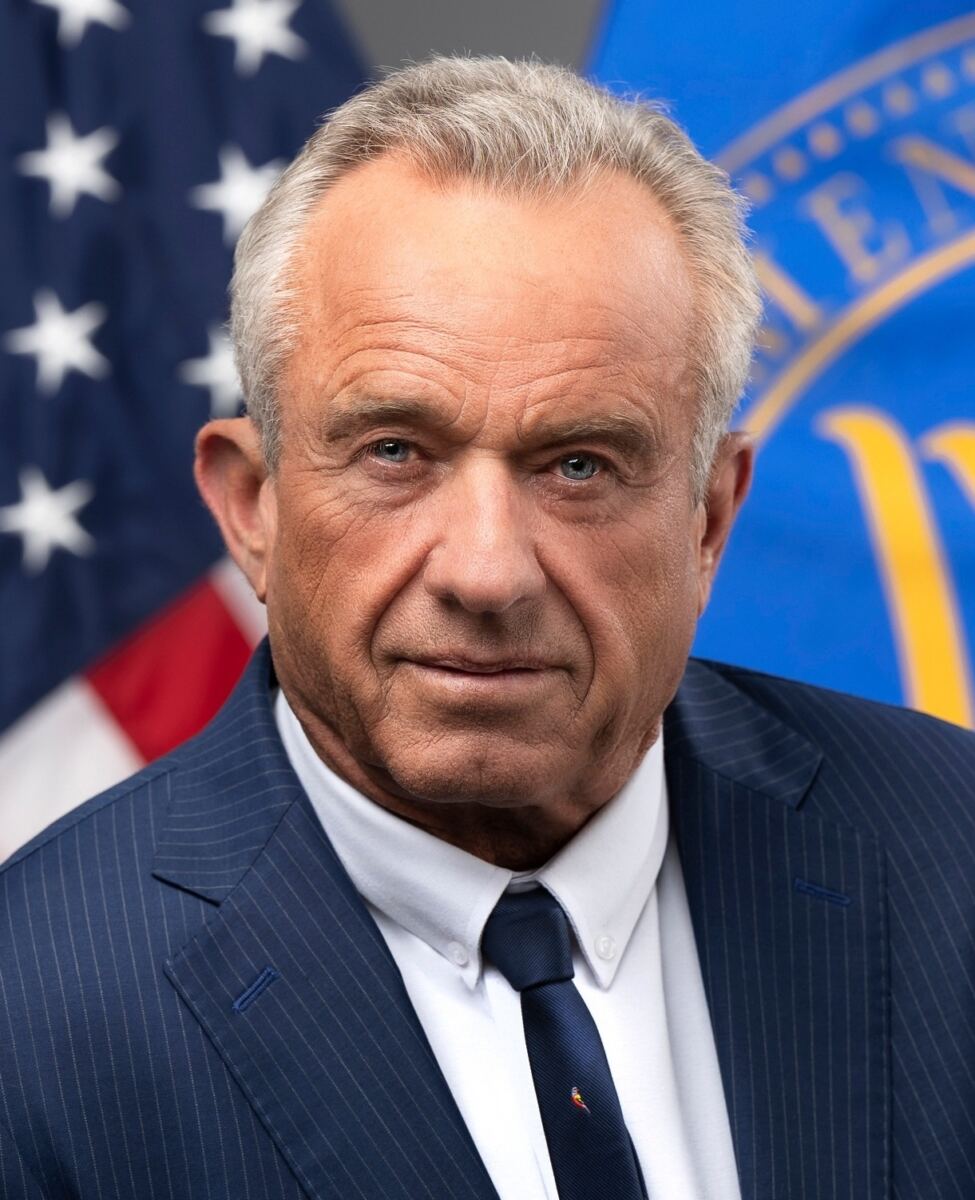
Mauk’s personal campaign arrives amid intensifying federal scrutiny of the organ-procurement system. On July 21, the Department of Health and Human Services under Secretary Robert F. Kennedy Jr. Announced a major initiative to reform the organ transplant system, with clear, enforceable policies on donor eligibility. The action followed an investigation that uncovered disturbing practices by a major OPO serving Kentucky, Ohio and West Virginia, including cases where patients may not have been deceased when procurement began, poor neurological assessments, and questionable consent practices.
“Health and Human Services Secretary [Robert F.] Kennedy is bringing to light horror stories about the dark corners of organ harvesting,” said Dr. Marc Siegel, a senior medical analyst for Fox News. Kennedy himself called one discovered case “a betrayal of the gift of life and a threat to public trust.”
She described being helpless in another country while strangers made irreversible decisions about her son’s body. She was unreachable by phone, she says, only because no one tried the number at the top of his records. What awaited her at the funeral home confirmed her worst fears about what had happened in her absence.
For Mauk, the fight remains deeply personal. “Damon deserved to have dignity in death,” she said. She signs every appeal the same way: “Forever Damon’s mother.”
Mauk continues to push for Congressional action on Damon’s Law, with her Change.org petition still active and her testimony before Ohio lawmakers serving as a template for broader reform efforts.