

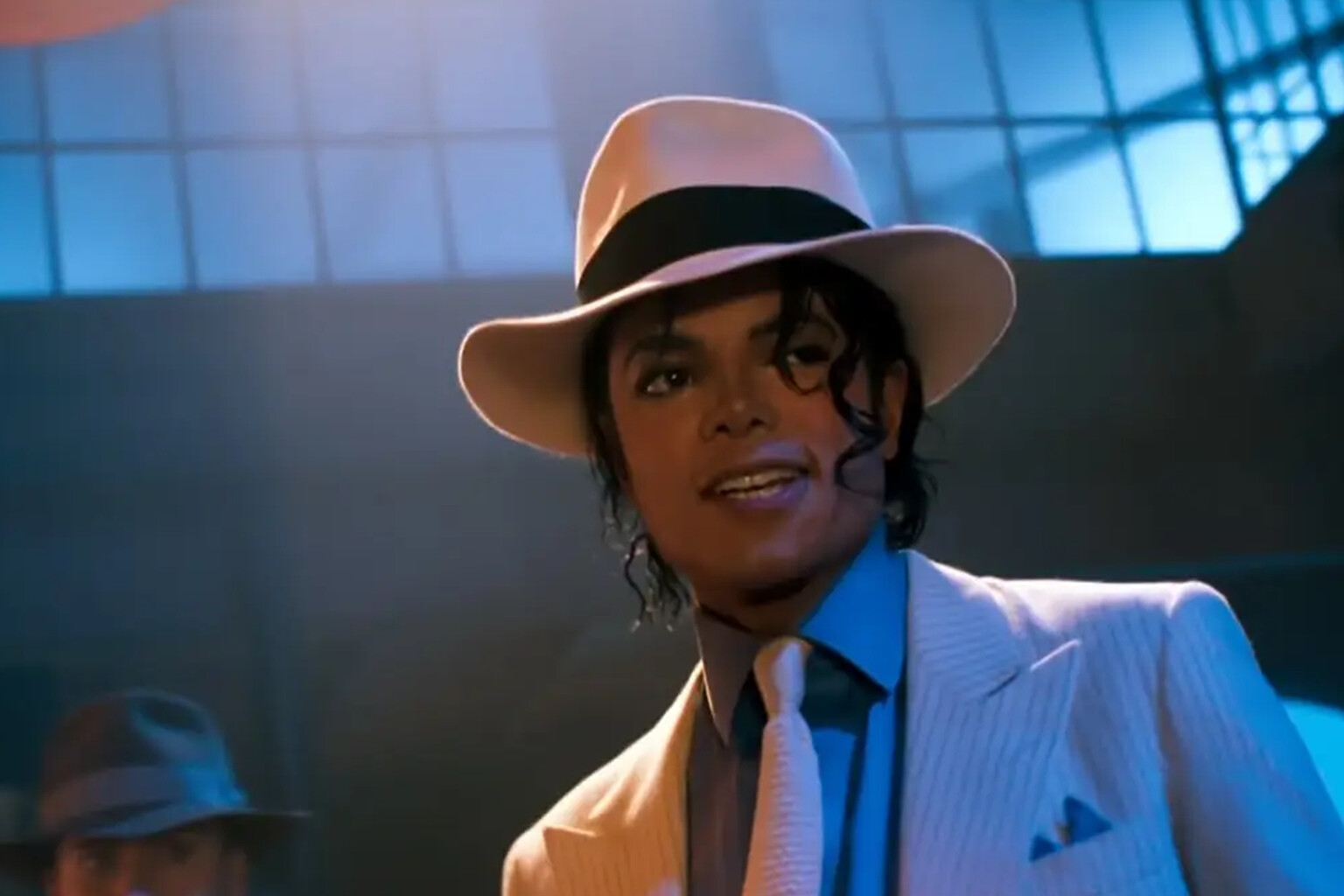
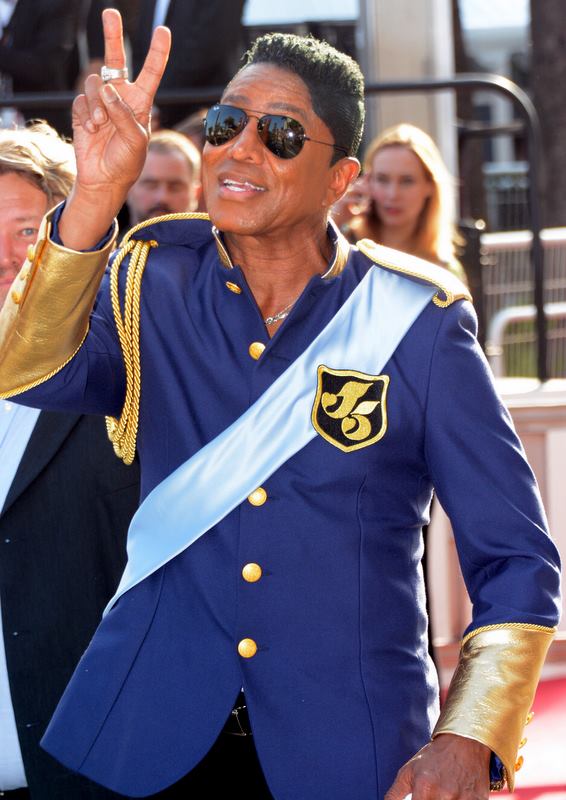
Michael Jackson’s brother Jermaine has revealed that a firearms scene in the “Smooth Criminal” video triggered the singer’s permanent break from the Jehovah’s Witnesses.
Jermaine Jackson, 66, detailed the incident in his 2011 memoir “You Are Not Alone: Michael, Through a Brother’s Eyes,” explaining that the 1988 short film’s machine-gun sequence violated a core tenet of the faith their family had followed for years. The video premiered on MTV on October 13, 1988, and the anniversary has resurfaced the behind-the-scenes religious conflict that helped push the King of Pop away from organized worship.
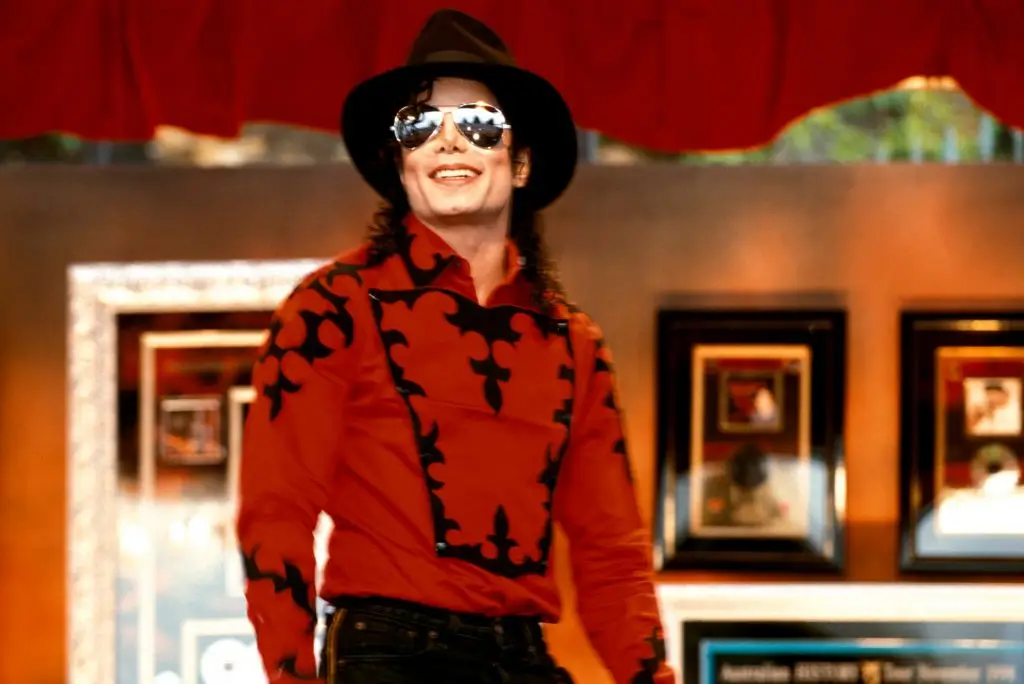
The scene in question showed Jackson spraying bullets through an underground bar with a real firearm he had been trained to use by ammunition experts on set. Jermaine wrote that the moment was “fun, harmless and necessary for the storyline” from a creative perspective, but it ran directly counter to Jehovah’s Witness doctrine. No member of the faith is permitted to hold, possess, or use a gun.
That single creative choice drew what Jermaine described as an “official rebuke” from Jackson’s Kingdom Hall, the term Jehovah’s Witnesses use for their house of worship. The reprimand, delivered after congregation leaders reviewed the video, forced a confrontation that had been building throughout Jackson’s rising career.
“It asked Michael to consider where his priorities lay: as a Jehovah’s Witness or as an artist,” Jermaine wrote in the book. “As distraught as my brother was by this implied choice, it was the final straw: what church asks you to reconsider the very gift that God gave you?”
Jermaine noted that his younger sibling had been “the perfect ‘disciple'” up to that point, regularly going door to door in Encino, California to proselytize for the faith. That devotion, he suggested, counted for nothing once Jackson’s artistic expression collided with the religion’s rulebook.
Jackson officially left the Jehovah’s Witnesses in spring 1987, when he was 28 years old, though the “Smooth Criminal” video and its aftermath extended the public friction with church leadership. The departure deeply upset his mother, Katherine Jackson, who maintained her own commitment to the faith.
Despite abandoning the organization, Jackson retained spiritual inclinations that manifested in unexpected directions. He sought guidance from celebrity rabbi Shmuley Boteach, attending synagogue services and sharing Shabbat dinners with the Orthodox Jewish figure. Those encounters never translated to formal conversion to Judaism, but they marked Jackson’s ongoing search for religious connection outside the faith of his childhood.
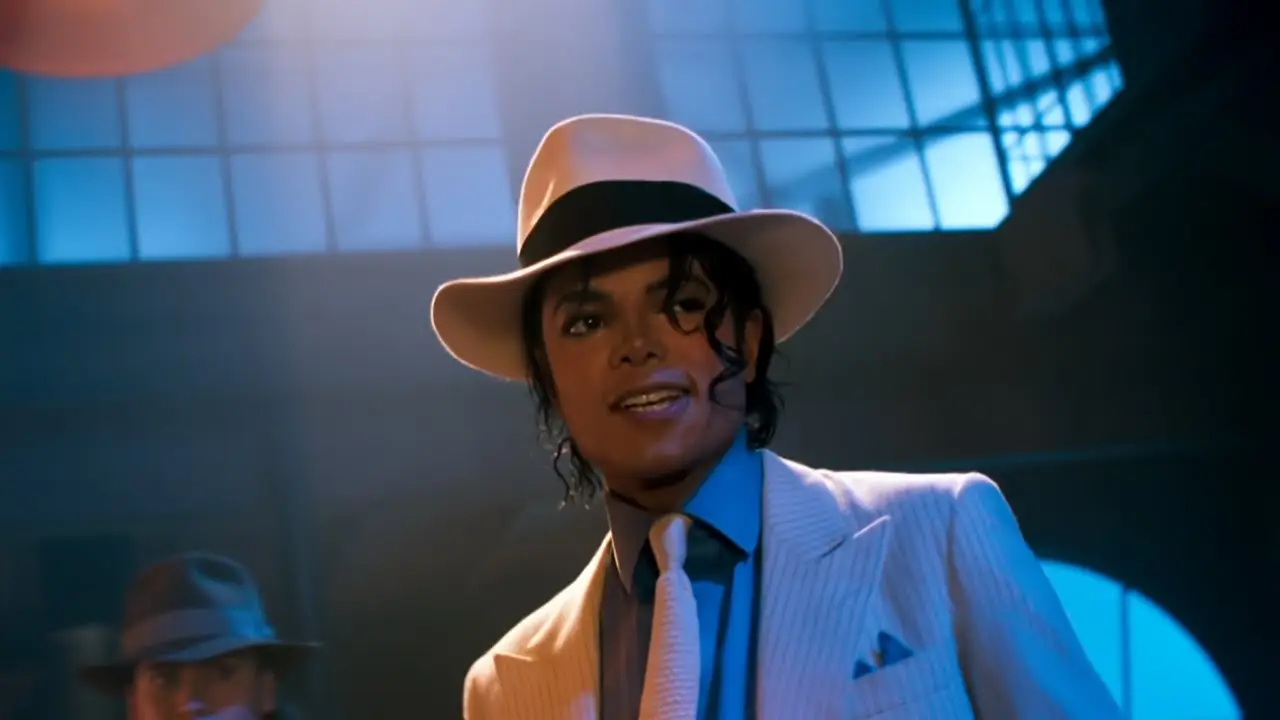
The “Smooth Criminal” video itself became one of Jackson’s most enduring visual works, featuring his signature anti-gravity lean achieved through specially designed shoes bolted to the stage floor. The 1930s nightclub setting, white pinstripe suit, and fedora created an aesthetic that defined an era of his career and remains widely referenced in pop culture.
The religious tension captured in Jermaine’s account reflects a broader pattern in Jackson’s life, as his global stardom repeatedly conflicted with the insular demands of the faith in which he was raised. The Kingdom Hall’s ultimatum — demanding that he choose between his art and his religion — appears to have resolved itself quickly in favor of the career that made him one of the most celebrated entertainers in history.
Jackson died in 2009 at age 50.