

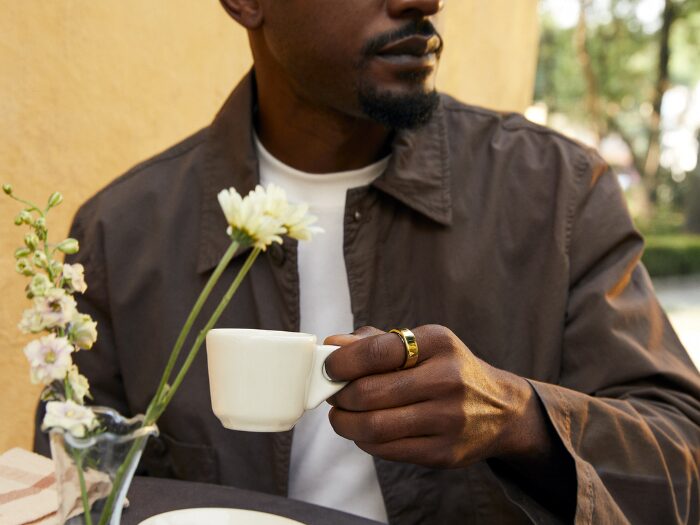
– May 16 was the most stressful day for Americans according to Oura ring data over the past 12 months
– For New Yorkers specifically, the LIRR strike on May 16 affected 300,000+ people
– June 13 (Game 5 of NBA Finals, Knicks won their first championship since 1973) was the second-most stressful day for New Yorkers
– Saturdays are generally the most stressful days (due to routine disruption)
– Major holidays show high stress (Independence Day, Thanksgiving, Christmas Eve, New Year’s Eve)
– Shyamal Patel, SVP of Science at Oura, quoted in the outlet about weekend stress
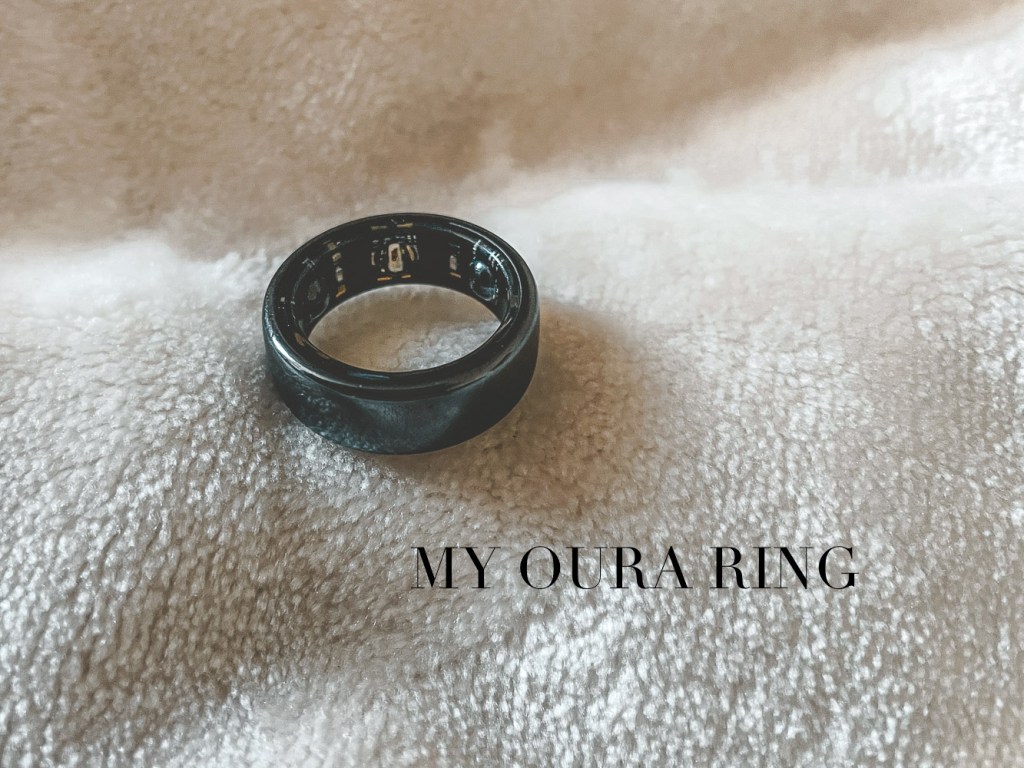
Oura reported May 16 as the most stressful day for Americans over the past 12 months, based on data from its Oura rings.
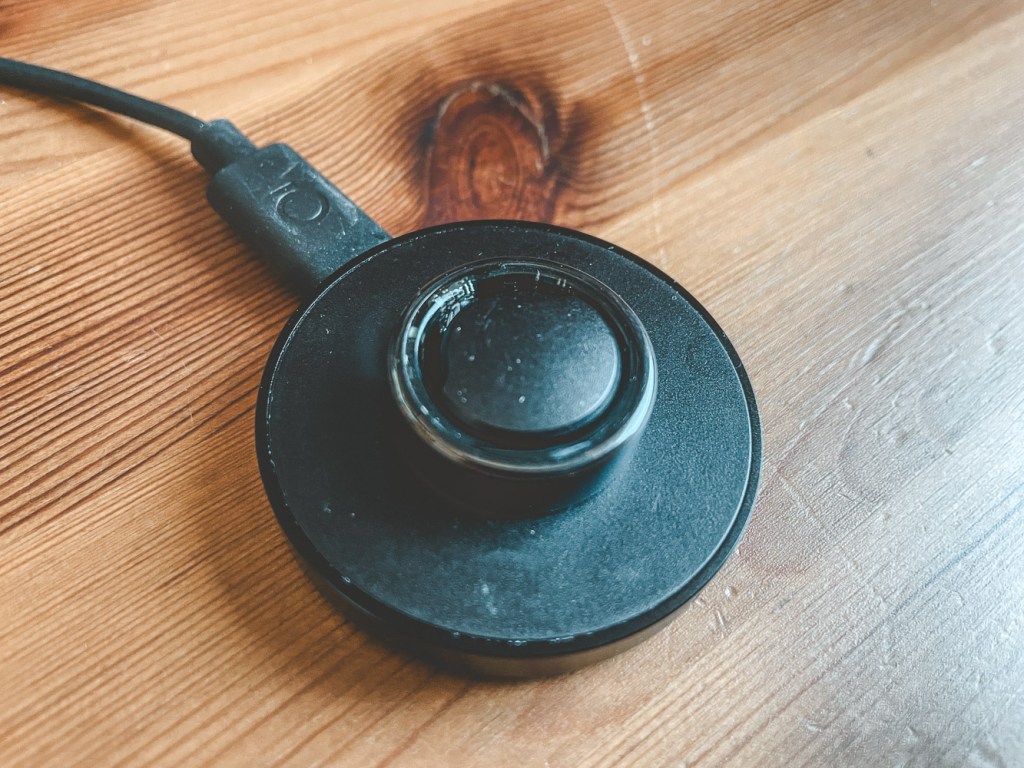
Ring-users have their stress measured through metrics such as heart rate, heart rate variability and body temperature.
Oura’s ‘stress’ measurement isn’t necessarily a bad thing—the rings record physiological stress, and the body interprets feelings of both excitement and emotional stress as virtually the same.
While nothing major occurred nationwide, May 16 was the day of the Long Island Rail Road strike in New York City, with over 300,000 people affected.
For New Yorkers, the second-most stressful day was June 13, which was game five of the NBA Finals, in which the New York Knicks won its first championship since 1973.
The most stressful days usually occurred on Saturday, due to what Oura’s SVP of science Shyamal Patel believes is a result of a disruption in routine.
“Even if the day feels fun or relaxing, weekends often disrupt routine with spikes in socialising, travelling, drinking and less sleep,”
Patel said.
That counterintuitive finding—that weekends spike stress rather than relieve it—surprised many Oura users.
Statistics from Oura also revealed high levels of stress associated with major holidays, including Independence Day, Thanksgiving, Christmas Eve and New Years Eve.
The LIRR strike that made May 16 the most stressful day nationwide came at a critical time.
The strike, which began May 16, was the first on the Long Island Rail Road in 32 years.
The walkout hit approximately 300,000 daily commuters who depend on the railroad to reach New York City from Long Island.
After 3,500 rail unionists on the Long Island Rail Road had been on strike for three days, officials from the Metropolitan Transportation Authority and union negotiators announced May 19 that an agreement had been reached and ended the walkout.
Oura’s research reveals how major events and disruptions register physiologically in the body.
The company analyzed anonymized data from millions of ring-wearers to identify when stress spikes across the population and what triggers them.
The Knicks’ championship victory on June 13 shows that not all stress is negative—excitement and celebration register as physiological stress in the same way anxiety does.
For New Yorkers who watched the Knicks end a 53-year championship drought, that peak stress reading may have felt like pure adrenaline.
Weekend stress patterns suggest that time off work doesn’t translate to physiological calm for most Oura users.
The disruption of weekday routines, combined with increased socializing, travel, alcohol consumption and often reduced sleep, triggers measurable changes in heart rate and temperature.
Holiday patterns mirror the same mechanism—celebrations and family gatherings push bodies into heightened physiological states even when people are enjoying themselves.
Oura’s stress-tracking technology has evolved significantly since the company first introduced the feature.
Oura breaks stress into three distinct layers: Daytime Stress shows what’s happening right now, Resilience tracks how well you recover over time, and Cumulative Stress scans 31 days of data to flag whether chronic stress is building up beneath the surface.
The Cumulative Stress feature was developed with the University of Southern Denmark in a 151-participant study and released in November 2025.
The company said on average users experience 96.5 minutes of stress per day.
Understanding what moves stress metrics can help users identify their personal triggers.
For New Yorkers in particular, the data shows that disruptions to routine—whether from transit strikes or championship celebrations—generate measurable physiological responses across the population.
The visualization of stress data through wearables like Oura rings offers users new ways to think about recovery and resilience.
Instead of dismissing stress as purely psychological, the devices quantify how the body responds to external events and disruptions.
Patel’s findings about weekend stress suggest that New Yorkers might benefit from different recovery strategies on days off—prioritizing sleep and routine predictability rather than maximizing social activity.
The May 16 LIRR strike hit New York’s transportation system during the morning commute and lasted three days before a tentative agreement was reached.
The physiological stress registered across the region during those days captured in Oura’s data reflects the real disruption felt by hundreds of thousands of commuters who faced unpredictable delays and scrambled to find alternative routes to work.
The strike was the first on the Long Island Rail Road since 1994 and the first authorization in 32 years, making it a genuinely disruptive event.
Five unions representing roughly 3,500 workers walked off the job seeking wage increases to keep pace with New York’s high cost of living.
Oura will release its full 2026 stress and health data trends in its year-end analysis.