


The Oxford English Dictionary has announced its word of the year, sparking a widespread reaction online, with many sharing similar thoughts.
Every year, the Oxford University Press, the entity behind the Oxford English Dictionary, chooses a word or expression that best encapsulates the “ethos, mood, or preoccupations” of the previous year.
The editors at Oxford University Press monitor emerging terms throughout the year, analyzing their frequency and comparing them with other linguistic data.
Ultimately, the selected term is one that is expected to have “lasting cultural significance.”
Last year’s term, “brain rot,” took many by surprise—and this year’s choice is even more unexpected.
On Monday, December 1, the dictionary’s creators announced that “rage bait” is the phrase of the year for 2025.
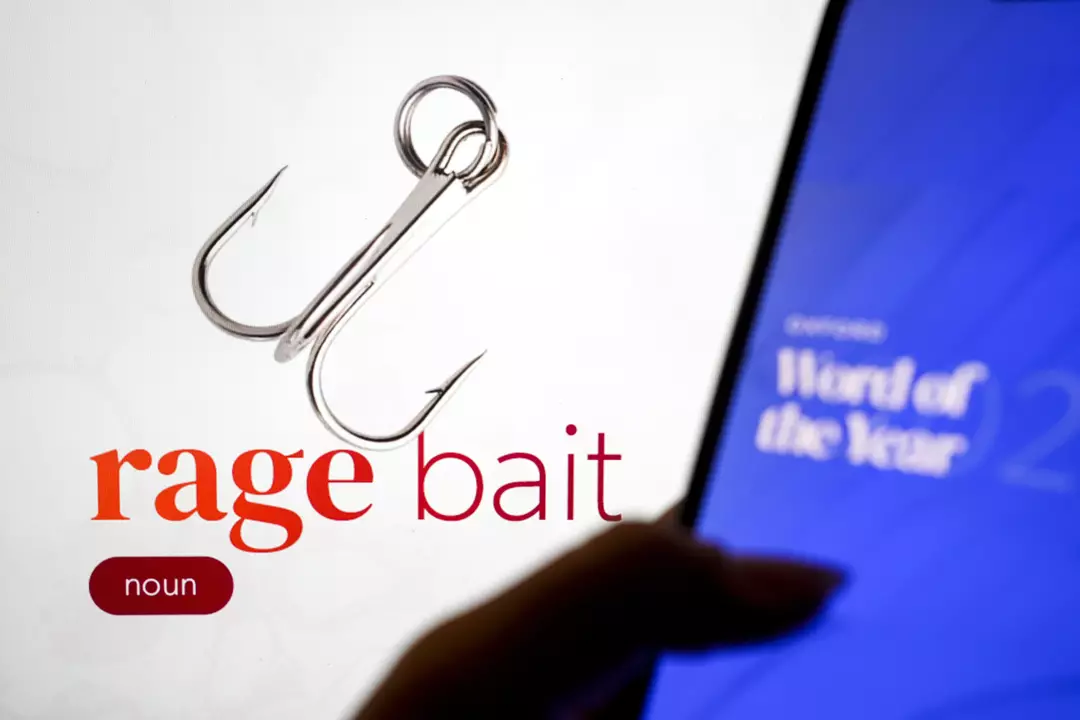
The Oxford University Press defines “rage bait” as “online content deliberately designed to elicit anger or outrage by being frustrating, provocative, or offensive, typically posted in order to increase traffic to or engagement with a particular web page or social media account.”
The publisher stated: “With 2025’s news cycle dominated by social unrest, debates about the regulation of online content, and concerns over digital wellbeing, our experts noticed that the use of rage bait this year has evolved to signal a deeper shift in how we talk about attention—both how it is given and how it is sought after—engagement, and ethics online.
“The word has also increased threefold in usage in the last 12 months, according to our language data.”

Following the announcement, many took to social media platforms like X (formerly Twitter) to express their opinions.
Some people speculated that Oxford University Press’s choice was a form of rage bait itself, with one user stating: “Oxford is definitely ragebating with this word choice.”
Another commented: “Oxford announcing ‘rage bait’ as word of the year is the most rage bait thing ever,” while someone else noted: “It being word of the year itself is rage bait to many I’m sure.”
In a press release, Oxford University Press emphasized that the recognition of rage bait as a standalone term underscores the “flexibility of the English language.”
It’s worth noting that while rage bait is similar to the more familiar “clickbait,” they are not the same.
Andrea Jones, a marketing podcast host, explained to the BBC: “A hook reflects what’s in that piece of content and comes from a place of trust, whereas rage-baiting content is designed to be manipulative.”