


Semaglutide extended the lives of mice by roughly 100 days in a new University of California, Berkeley study, fueling fresh speculation about anti-aging potential for the blockbuster weight-loss drug.
Danica Chen, a researcher behind the work published Wednesday, ran a five-month experiment comparing mice on the medication against mice kept on strict low-calorie diets. Both groups saw gains in blood sugar regulation, appearance, behavior and lifespan, but the drug-treated rodents pulled ahead on memory and blood sugar control specifically.
The gap between the two groups matters because calorie restriction has long been known to extend lifespan, and scientists needed to rule out whether the drug was simply making mice eat less. Chen said the results point to something more.
“These differences point to the possibility that GLP-1 drugs tap into a biological pathway independent of calorie restriction,” she explained.
Chen added that if the findings hold up in human trials, the pool of people taking these medications could widen considerably.
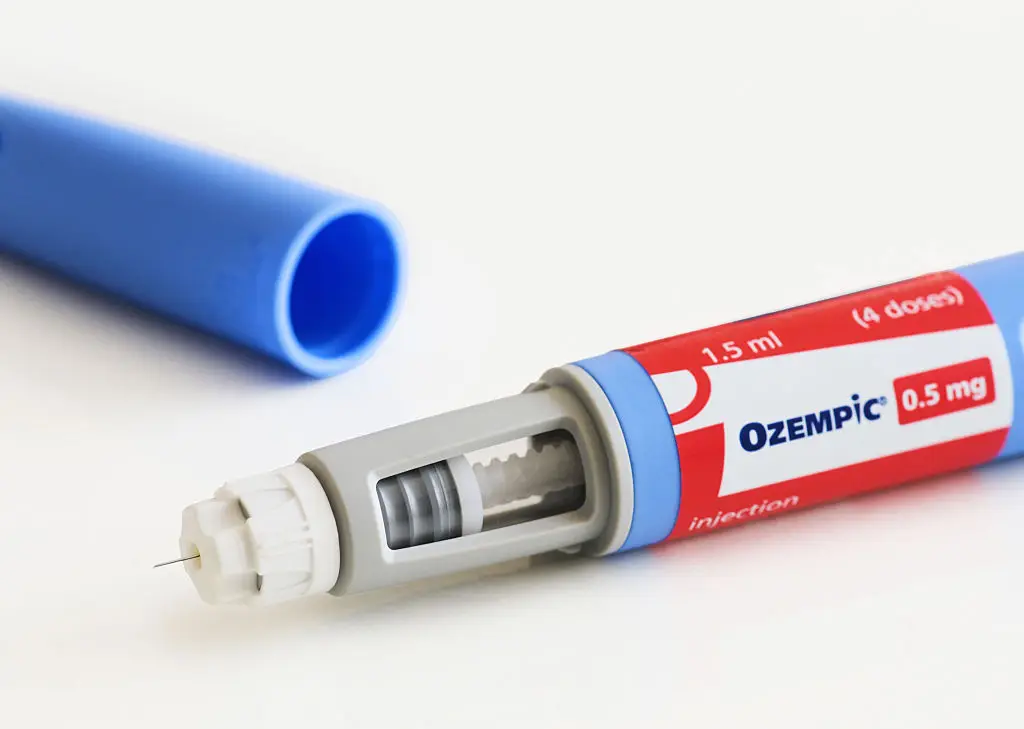
The 100-day extension translates to about a 12 percent lifespan boost for the mice after three months of treatment. Semaglutide, the active ingredient in Ozempic and Wegovy, belongs to a class of GLP-1 medications that mimic a hormone suppressing appetite.

Rafael de Cabo, a senior investigator at the National Institute on Aging who wrote a commentary accompanying the study, tied the findings to broader questions about chronic disease and aging itself. Since chronic conditions are closely linked to aging processes, a drug that slows aging would be expected to produce cascading health benefits across multiple systems.
The Berkeley team stressed the results remain far from proven in humans.
This is not the first time GLP-1 drugs have shown effects beyond weight loss. Separate research published earlier this year linked them to reduced heart attack risk and improved liver health. Other studies over the past 12 months have hinted at possible anti-aging effects in both human and animal trials.
Those accumulating findings are already reshaping how the drugs get used medically. Eli Lilly’s diabetes drug Mounjaro, widely prescribed off-label for weight loss, received FDA approval just last week to reduce major cardiovascular event risk in adults with Type 2 diabetes.
Semaglutide and similar drugs remain officially cleared only for weight loss and diabetes treatment. Experts say substantially more research, including human trials, would be needed before any anti-aging claims could be confirmed.
Novo Nordisk and Eli Lilly have been approached for comment.