

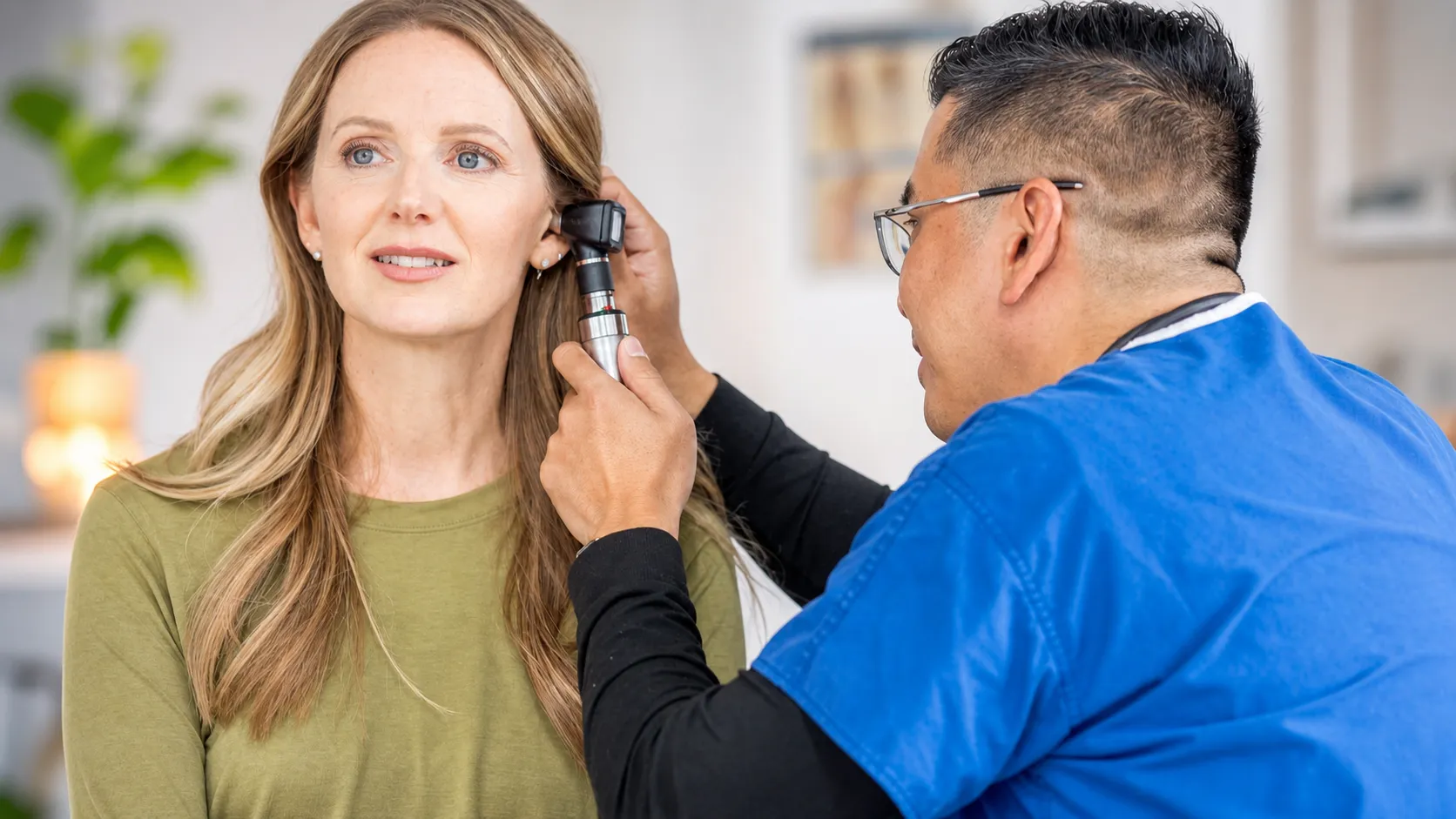
Some people using GLP-1 weight-loss medication are now seeking cosmetic procedures for what has been nicknamed ‘Ozempic ears’, with specialists cautioning that the lasting impact of rapid weight loss is often overlooked.
Many patients taking well-known GLP-1 medications such as Ozempic, Wegovy, Mounjaro and Zepbound are aware of frequently reported side effects, including nausea, stomach problems, constipation, diarrhea and noticeable changes to facial and body appearance.
Ozempic is the brand name for semaglutide approved to treat type 2 diabetes, while Wegovy is a semaglutide product approved for chronic weight management. Tirzepatide, sold as Mounjaro for type 2 diabetes and Zepbound for weight management, acts on GIP and GLP-1 receptors. These medications can reduce appetite and slow stomach emptying, which can lead to substantial weight loss when prescribed and monitored appropriately.
However, doctors are drawing attention to another reported change linked to fast weight loss: ear lobes appearing less full or more drooped. The issue has been described by some as ‘Ozempic ears’, and some patients say the change has led them to consider surgery.
Specialists caution that ‘Ozempic ears’ is not a formal medical diagnosis, nor is earlobe sagging generally listed as a recognized drug side effect in prescribing information. Instead, the term is being used to describe a cosmetic change that may happen when a person loses facial and body fat quickly, especially if they already have age-related skin laxity, stretched piercings or a history of wearing heavy earrings.
Speaking to the outlet, Stephanie L, who lost 45 pounds on Ozempic, said: “It seems so random, but one morning I was putting earrings on and noticed my earlobes seemed a little heavier, as if they were being pulled downward.
“They just seemed to be different, and I thought it was in my head, but I looked in the magnifying mirror and thought, ‘Is it possible my earlobes lost some volume?'”
She continued: “It’s such a small detail in such a subtle area, but it bothered me more than I expected it would.”
Loose or sagging skin can happen when a person loses weight quickly, though ear lobes may not be the first area people expect to change. Even so, some plastic surgeons say they are seeing more patients asking about ways to restore volume or shape in that area.
The earlobe contains skin, connective tissue and a small amount of fat, so a loss of soft-tissue volume can make it look thinner, longer or less supported. But experts also point out that natural ageing reduces collagen and elasticity over time, meaning GLP-1-related weight loss may simply make changes that were already developing more noticeable.
Speaking with the outlet, Dr. Luis Macias, a board-certified plastic surgeon in Los Angeles, California, said: “A lot of people don’t think about the long-term effects of Ozempic.
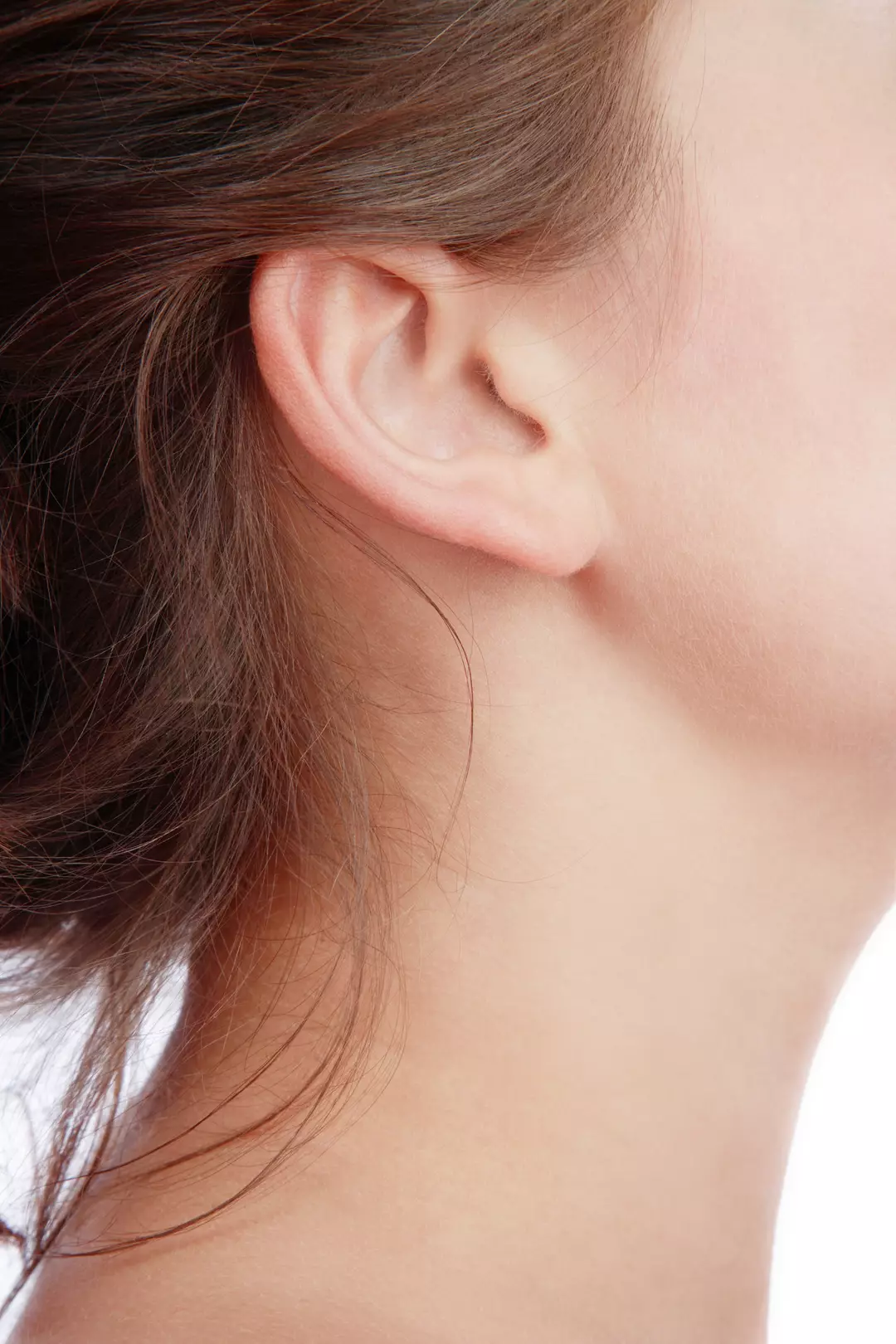
“Following rapid weight loss, the ears tend to lose fullness and get longer at the lobes, basically speeding up the aging process.”
Macias explained that, in a similar way to natural ageing, weight loss may leave ear lobes looking softer, flatter or more elongated.
Board-certified plastic surgeon Michael Cohen said the trend does not surprise him, particularly among women who are concerned about how earrings sit after weight loss.
“Women like to wear pretty jewelry around the earlobe, so it makes sense that they would want to bring attention to it, especially with the use of filler.
“I often hear patients complain that their earrings don’t hold in place as well after losing the weight.”
Cohen added that compared with procedures on other areas of the body, treating the ear lobe can be a ‘very low-risk procedure, with immediate gratification and long-lasting results’.
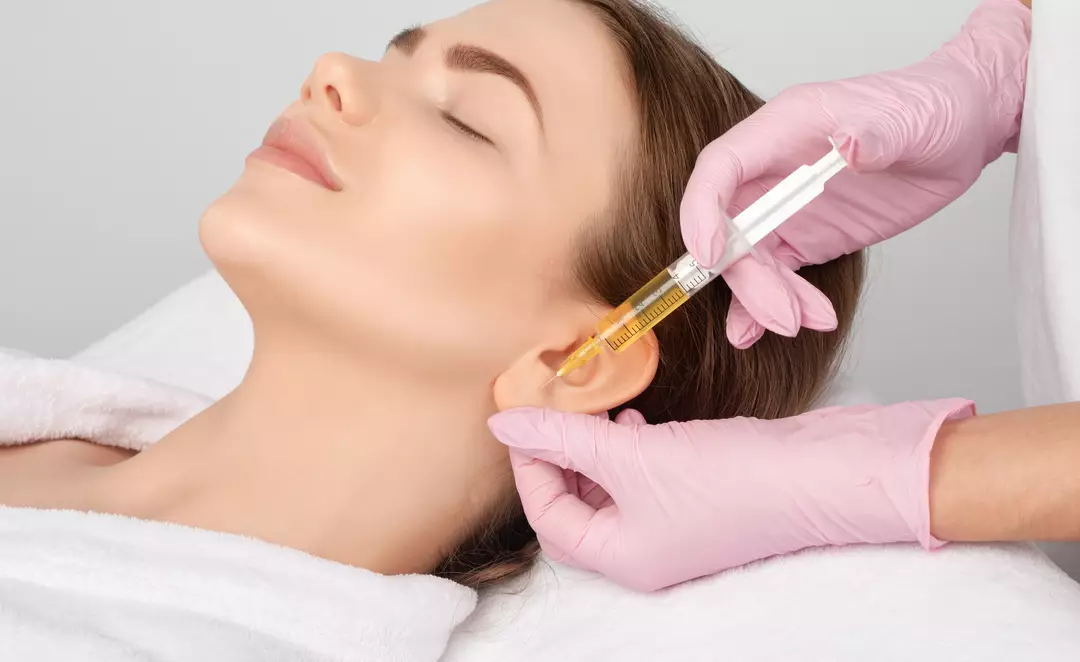
Possible treatments can include hyaluronic acid filler to restore volume, fat grafting using a patient’s own fat, or a small surgical earlobe lift or reduction, sometimes called lobuloplasty. A split or stretched piercing may also be repaired surgically if earrings no longer sit correctly.
Doctors generally advise patients to wait until their weight has stabilized before undergoing cosmetic surgery, because further weight loss can change the result. Facial plastic surgery groups have also warned that ongoing rapid weight loss can make outcomes less predictable for procedures that rely on skin tension or soft-tissue volume.
The rise of GLP-1 medications has already affected cosmetic surgery more broadly. Recent plastic surgery industry data has linked major medication-assisted weight loss with increased interest in fillers, skin tightening, facelifts, tummy tucks and other body-contouring procedures designed to address loose skin after weight loss rather than cause weight loss itself.
Patients considering any procedure should tell their surgeon and anesthesia team if they are taking a GLP-1 medication, because the drugs can slow stomach emptying. Current multi-society guidance says many patients can continue GLP-1 drugs before elective procedures, but higher-risk patients may need individualized instructions, such as a liquid diet before anesthesia or other precautions.
Anyone concerned about earlobe changes should also speak with a qualified dermatologist, facial plastic surgeon or board-certified plastic surgeon before booking treatment. While earlobe procedures are usually considered minor, they can still carry risks including infection, scarring, asymmetry, filler lumps, overcorrection or dissatisfaction with the final appearance.
Doctors also stress that cosmetic changes should not prompt patients to stop prescribed medication without medical advice, especially if the drug is being used to manage diabetes or another chronic condition. For many patients, the health benefits of medically supervised weight loss may outweigh cosmetic concerns, but planning ahead can help people understand what changes may occur and what options exist if they are bothered by them.
Novo Nordisk has been contacted for comment.