

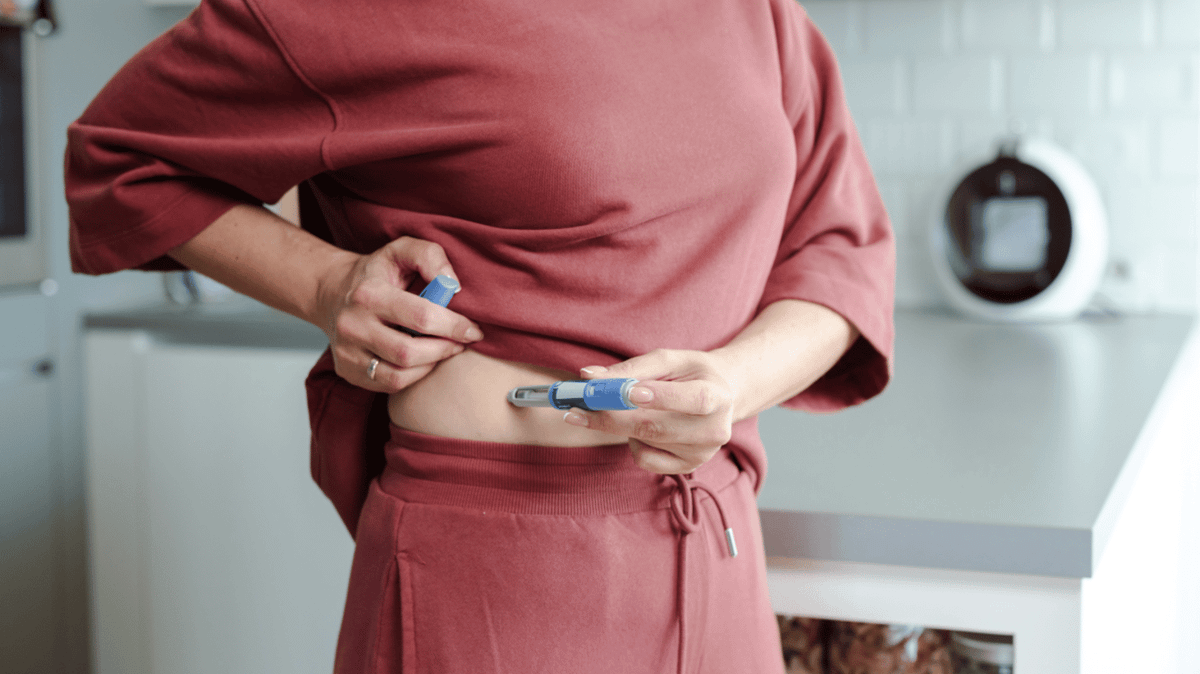
Ozempic is allegedly causing users to debut a new look, and this one could be sparking an interest in plastic surgery to correct it.
Weight-loss medications have been linked to a growing list of talked-about side effects online, from ‘Ozempic butt’ to ‘Ozempic penis’ and ‘Ozempic vagina’.
Now, attention is turning to what many are calling ‘Ozempic face’—and a new report suggests it may be influencing more people to explore surgical options.
The British Association of Aesthetic Plastic Surgeons (BAAPS) says some cosmetic procedures are increasing, noting that ‘the side effects of weight-loss drugs such as “Ozempic face” have also driven medical reasons for patients seeking facial aesthetic procedures.’
Not everyone agrees on the label, with some arguing the effect is being overstated or misattributed, while others believe it’s noticeable in people who have lost weight quickly.
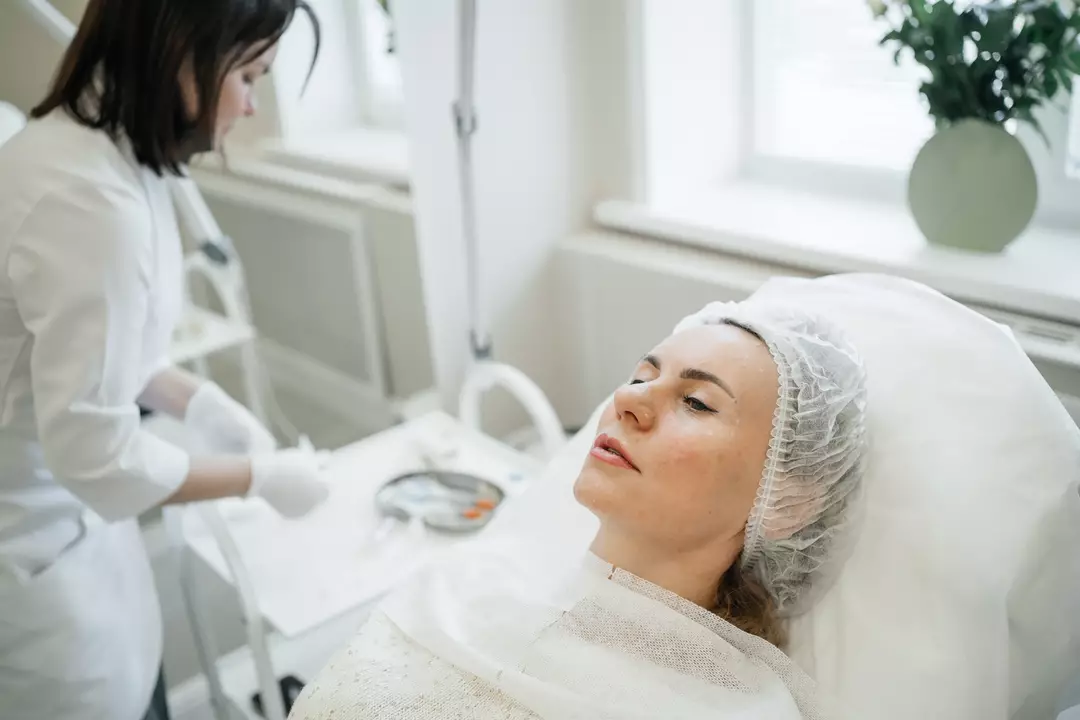
Ozempic is a once-weekly injection designed to help lower blood sugar. It has been approved in the US since 2017 for adults with type 2 diabetes, rather than as a weight-loss treatment.
Even so, it has gained attention for its rapid weight-loss outcomes—something that can come with trade-offs when pounds are lost quickly.
One concern raised by researchers is the potential for muscle loss and looser skin, based on findings highlighted through the UNC School of Medicine.
John A. Batsis, MD, an obesity expert at the UNC Gillings School of Public Health, published research in Annals of Internal Medicine, explaining: “While muscle loss is expected during weight loss, we observed that the proportion of weight loss attributable to muscle was consistently higher than anticipated across studies. These findings suggest that the magnitude of muscle loss relative to total weight loss warrants closer attention.”
In practical terms, that kind of muscle reduction can affect the face, potentially making cheeks appear more sunken or giving a more hollowed look—an outcome some surgeons and patients associate with ‘Ozempic face’.
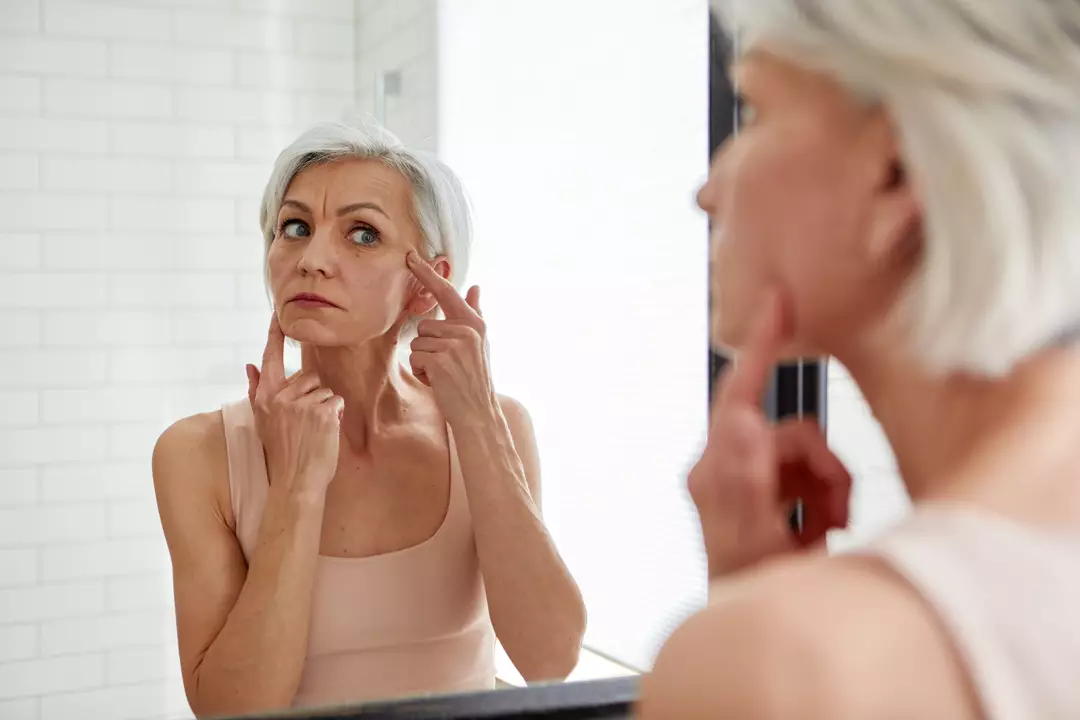
According to BAAPS, women make up 93.9 per cent of all procedures. The organization also reported an eight per cent rise in blepharoplasties, a surgery that removes excess skin, muscle, or fat from the upper or lower eyelid area.
The report also pointed to an 11 per cent increase in face and neck lifts, procedures often used to address sagging skin. Brow lifts showed the largest change, rising by 25 per cent.
Former BAAPS President Rajiv Grover suggested multiple forces may be contributing to the trend, including both the influence of social media and growing awareness of the reported facial changes linked to weight-loss drugs.
He said, per The Independent: “Social media has allowed people to see what modern facial surgery really looks like with subtle, natural and restorative results, driven by the newer techniques of deep plane facelift and deep plane neck lift surgery. Non-surgical treatments still have a role, but they cannot correct structural laxity of the soft tissues which is the central pillar of facial ageing. Patients are increasingly seeking longer-term solutions which compare more favourably with the repeated expense of non-surgical treatments several times a year.”
He went on to say: “Awareness of the side effects of weight-loss drugs such as ‘Ozempic face’ have also driven medical reasons for patients seeking facial aesthetic procedures.”