

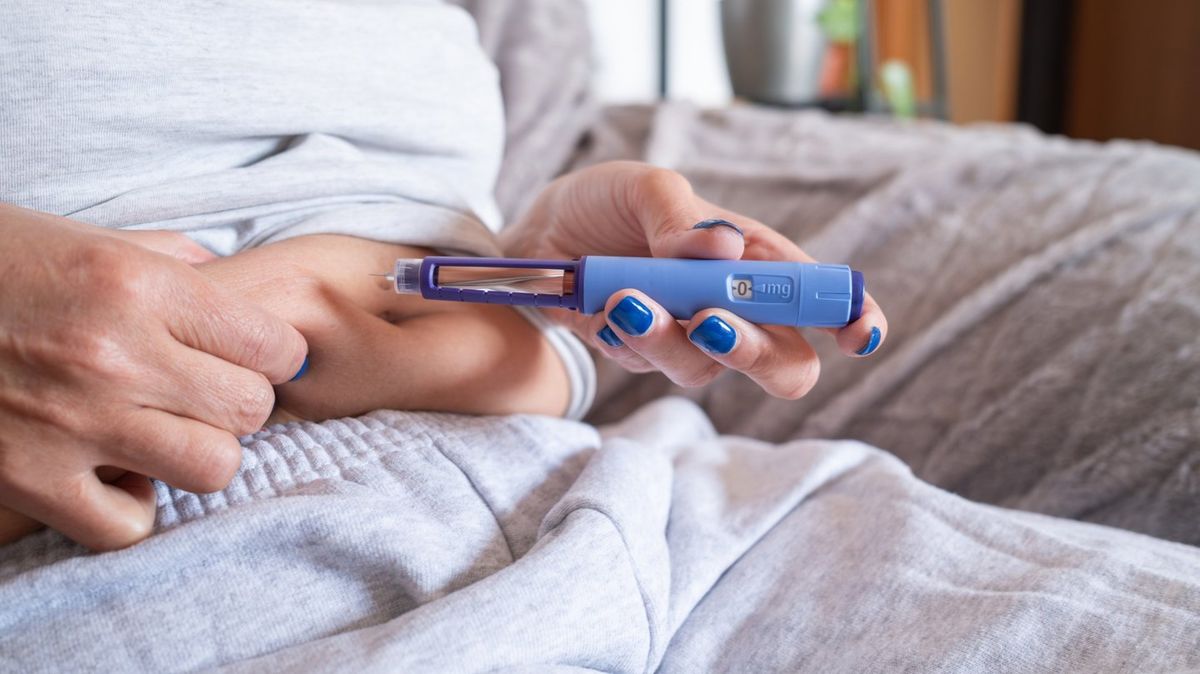
A new study suggests GLP-1 medications may offer benefits beyond weight management, potentially supporting heart health as well.
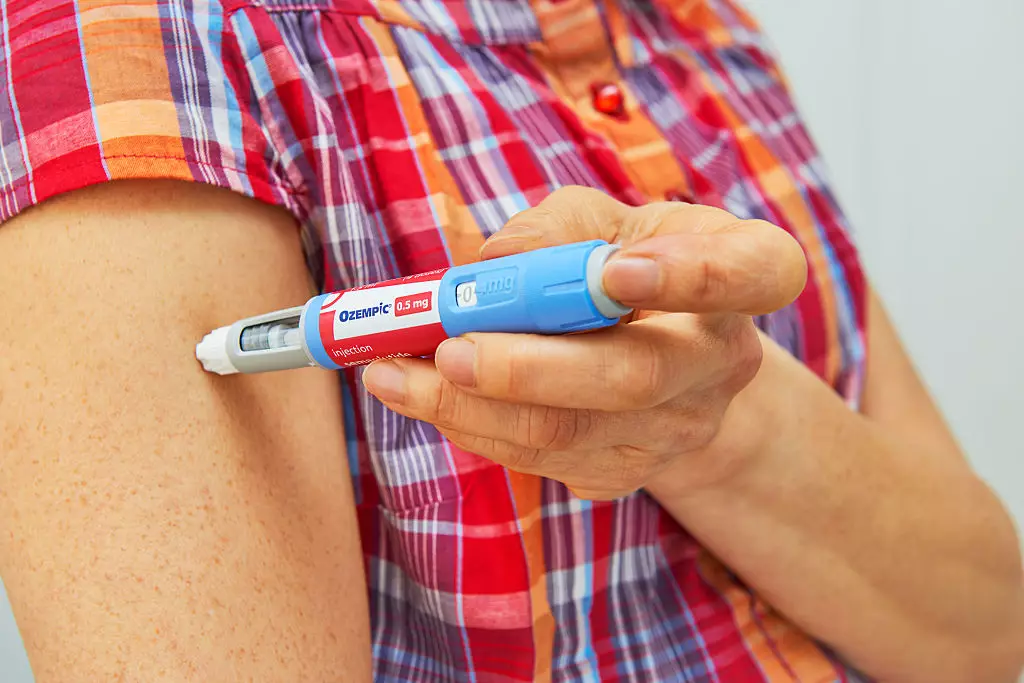
Ozempic is widely associated with injectable weight-loss treatments, but it is officially approved for helping manage type 2 diabetes.
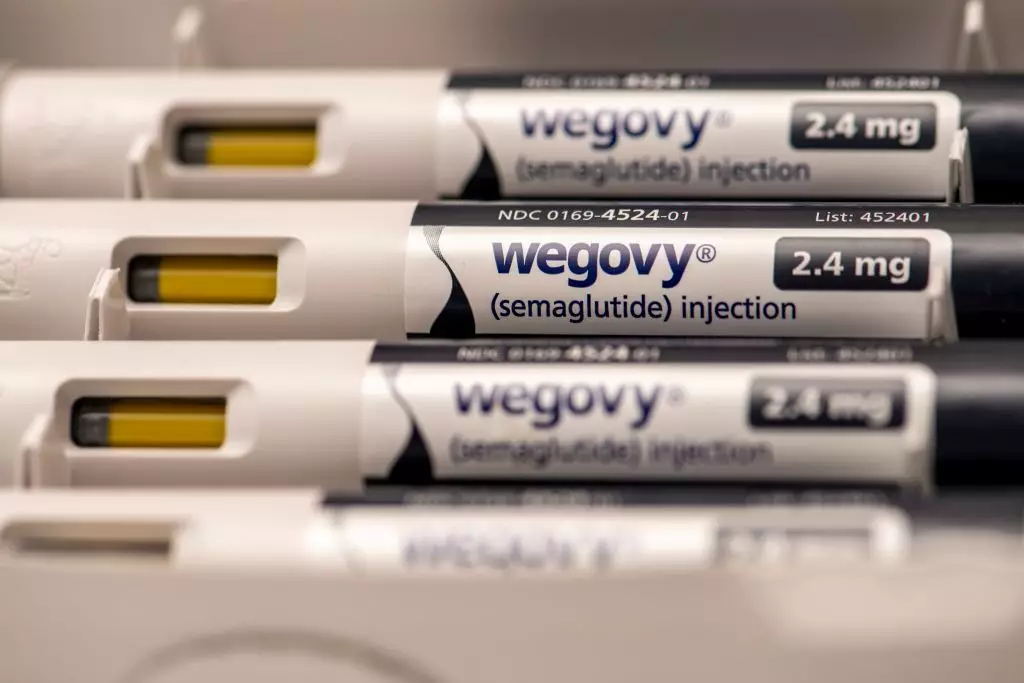
However, other drugs in the same broader category have since been developed and authorised for weight loss, including WeGovy, Mounjaro and Zepbound.
According to the Cleveland Clinic, these medications work by imitating the GLP-1 hormone. For people with type 2 diabetes and obesity, this can help reduce appetite, increase feelings of fullness, and slow how quickly the stomach empties.
They can also signal the pancreas to release more insulin when blood sugar levels are high, while reducing sugar production by the liver.
Now, researchers in the UK say people taking GLP-1 drugs may face a lower risk of complications after a heart attack.
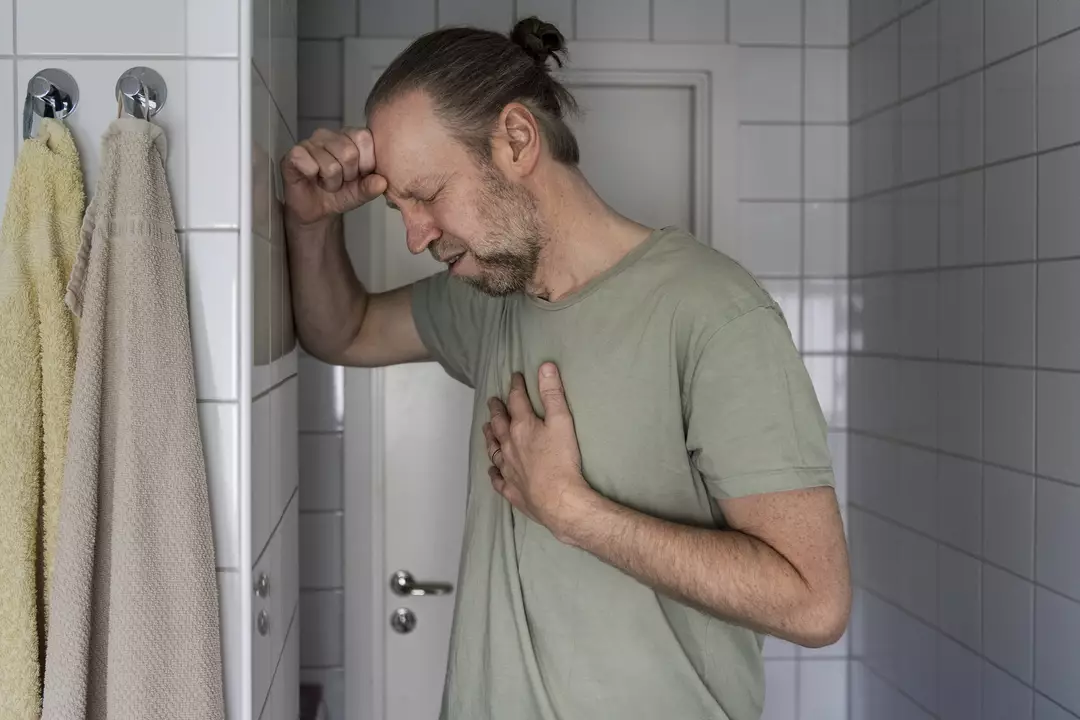
Dr Svetlana Mastitskaya, the study’s lead author and Senior Lecturer in Cardiovascular Regenerative Medicine at Bristol Medical School: Translational Health Sciences explained the ‘surprising’ results of the study: “In nearly half of all heart attack patients, tiny blood vessels within the heart muscle remain narrowed, even after the main artery is cleared during emergency medical treatment.
“This results in a complication known as ‘no-reflow,’ where blood is unable to reach certain parts of the heart tissue.”
“Our previous research has shown that this narrowing of blood vessels contributes significantly to ‘no-reflow,’ a complication that increases the risk of death or hospital admission for heart failure within a year of a heart attack.”
The new results, published in the journal Nature Communications, indicate GLP-1 drugs could help stop that issue from occurring.
Working with animal models, the researchers found the drugs improved blood flow in the heart after a heart attack. This appeared to happen through activation of potassium channels, which helps relax pericytes—tiny clamp-like cells that can constrict small blood vessels.
When those cells loosen, the smallest vessels can open up, allowing blood to pass through more effectively and helping protect vulnerable heart tissue.
“Our previous research has shown that this narrowing of blood vessels contributes significantly to ‘no-reflow,’ a complication that increases the risk of death or hospital admission for heart failure within a year of a heart attack. But our latest findings are surprising in that we have found GLP-1 drugs may prevent this problem.”
Professor David Attwell, study co-lead and Jodrell Professor of Physiology at UCL, added: “With an increasing number of similar GLP-1 drugs now being used in clinical practice, for conditions ranging from type 2 diabetes and obesity to kidney disease, our findings highlight the potential for these existing drugs to be repurposed to treat the risk of ‘no-reflow’ in heart attack patients, offering a potentially life-saving solution.”