

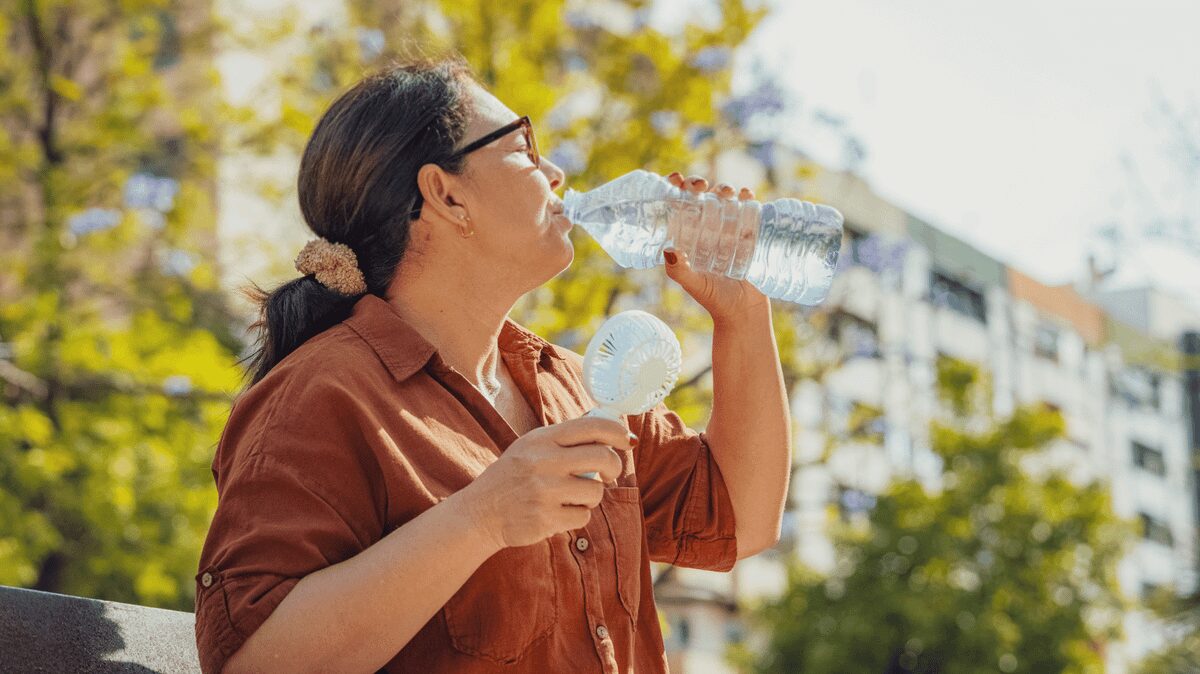
Users of widely used weight‑loss injections including Ozempic, Wegovy and Mounjaro are being advised to take added precautions during bouts of extreme heat.
An unusually intense early-season heatwave is sweeping across parts of the US this week, with states such as Montana, Florida, Georgia and New York expected to see soaring temperatures.
Health and nutrition specialists say people taking GLP‑1 medications should be especially mindful as temperatures climb.
GLP‑1s help people lose weight by reducing appetite and keeping them feeling fuller for longer. However, experts warn that the same effect can also blunt other important cues—particularly thirst.
In hot weather, that can mean someone may not feel like drinking despite needing fluids, increasing the risk of dehydration.
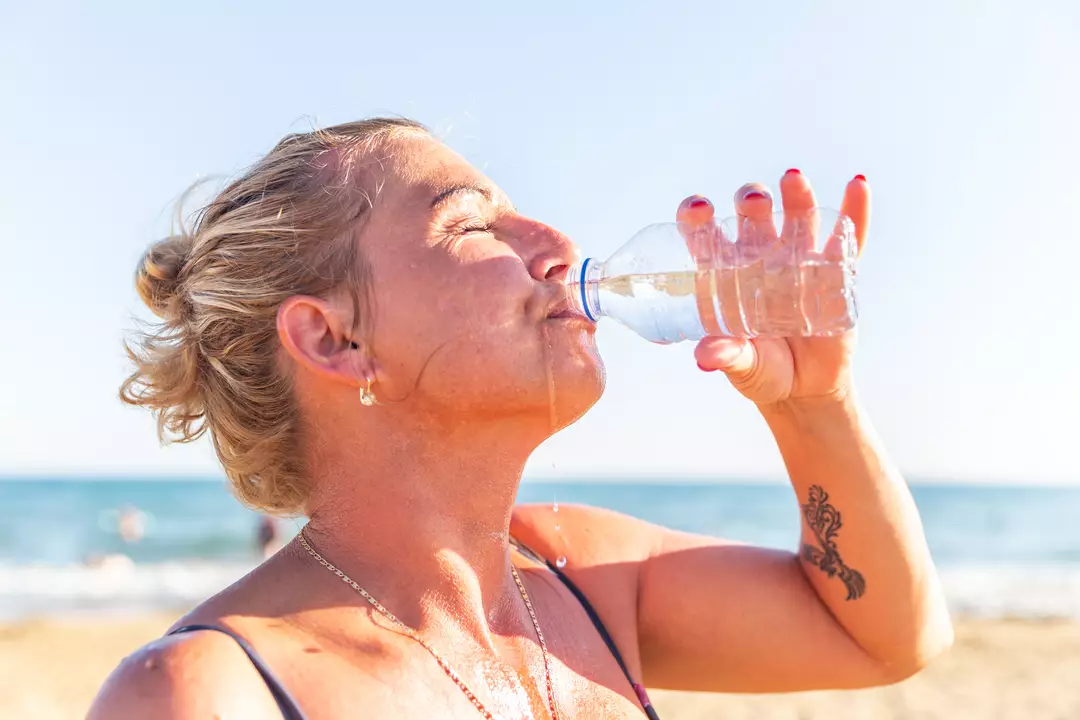
Dehydration can trigger dizziness, headaches, tiredness, low blood pressure and blurred vision. In more serious cases, the CDC warns it can contribute to kidney issues or even life‑threatening heatstroke.
Eating less may add to the problem. Food intake typically boosts saliva production, but reduced appetite on GLP‑1s can leave some people with less saliva and a dry mouth—an early dehydration signal that’s easy to overlook.
That dryness has also been linked by some users to dental complaints sometimes referred to as “Ozempic teeth”, where persistent dry mouth can worsen oral health over time.
Experts say the dangers rise further during heatwaves, particularly for those who have recently started GLP‑1 medications and are still adapting to side effects.
“You’ll need to be extra careful about hydration during hot weather as these medications often cause nausea, vomiting or diarrhoea, all of which can lead to fluid loss,” nutritional therapist Deborah Grayson said.
“This is particularly important for new users of the weight‑loss medication, whose bodies are still adjusting.”
Grayson suggests taking practical, intentional steps in hot weather—most importantly drinking water consistently rather than waiting to feel thirsty. Reminders on a phone, or a marked bottle to track intake, can make it easier to stay on top of fluids.
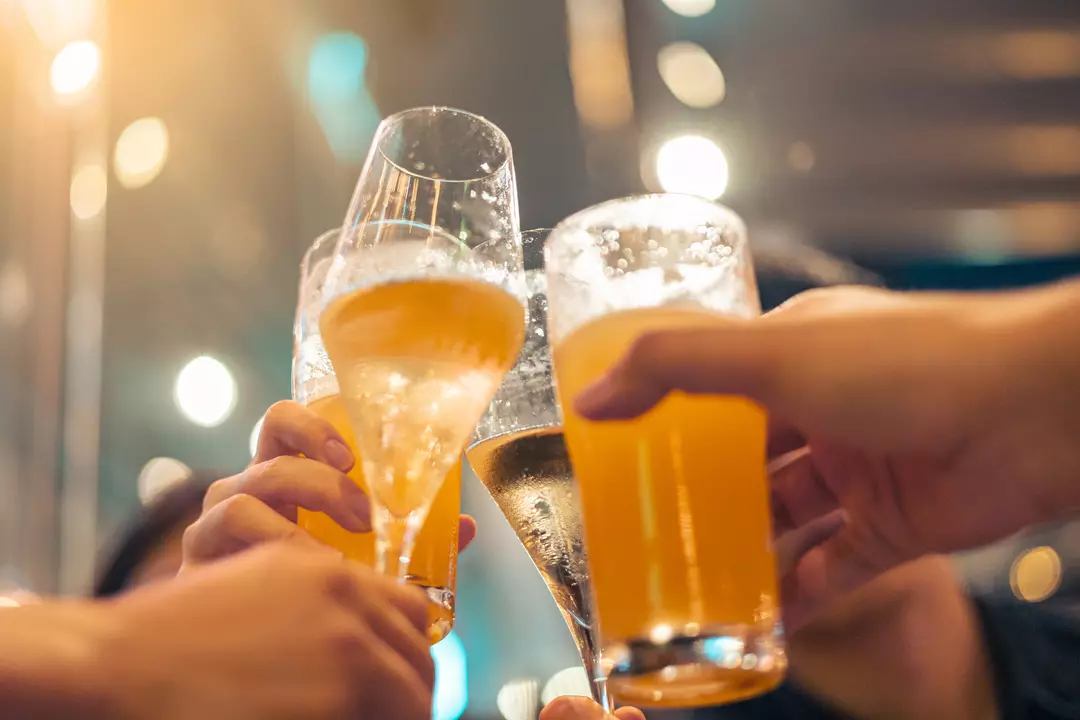
Limiting alcohol and caffeine may also help, as both can contribute to dehydration. Cutting back on outdoor time during the hottest part of the day can reduce strain on the body, and opting for lighter foods may be useful if nausea is a factor—some people prefer bland options such as the BRAT diet (bananas, rice, applesauce and toast).
There is also increasing discussion about whether GLP‑1 medications could affect how the body regulates temperature, which might make coping with high heat more difficult for some. Adding electrolytes can help replace salts lost through sweating and support steadier hydration.
A simple check is urine colour: pale yellow generally indicates better hydration, while darker urine can be a sign to drink more fluids.
When temperatures peak, experts also recommend avoiding strenuous exercise, particularly outdoors.
In short, during extreme heat, it may be wiser to slow down, stay inside where possible, and prioritise cooling and hydration.
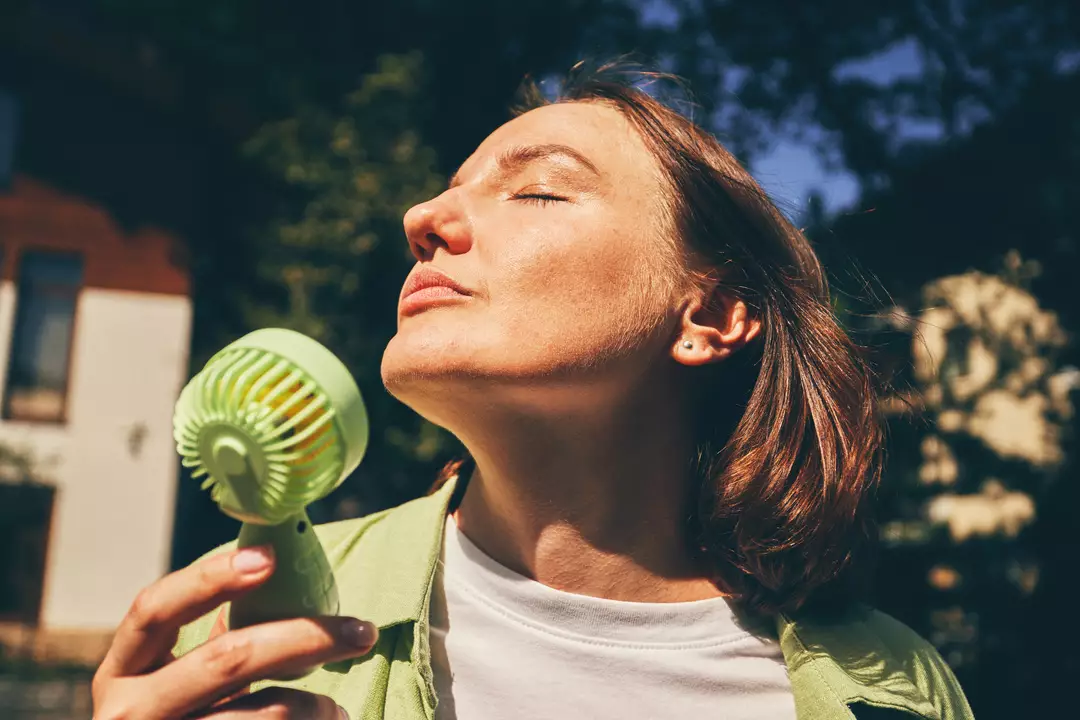
Most people know the standard advice for hotter weather—avoid the sun in the middle of the day, drink plenty of water, wear light clothing, take cool showers and reduce physical exertion—but there are additional lesser-known tricks people use to stay comfortable.
Sleep is often one of the first things to suffer in a heatwave, and many rely on a fan overnight. But one doctor has suggested how to use it more effectively.
“The key is to not have any of the wind blowing on you,” he said. “So try facing it away from your body, and the air will still circulate around the room.”
It’s also worth noting that electric fans are generally most effective when temperatures are below 35 degrees.
Another hydration-related tip shared by doctors is that milk can, in some cases, help with fluid retention due to its nutrient content.
She said: “Milk also contains sodium, which allows your body to hold onto water for longer, aiding hydration levels.”
For people struggling to sleep, one technique that circulates online involves cooling through evaporation.
Psychiatrist Alex Dimitriu, MD, told VeryWellMind: “The Egyptian sleep method involves sleeping under a damp sheet, which cools off from evaporation.”
If trying it, the sheet should be damp rather than soaking, and ventilation matters.
Finally, experts often warn against leaving windows open during the hottest part of the day. It can let hot air in and worsen indoor temperatures—especially in homes designed to retain heat.
Instead, it may be better to wait until the evening, when outdoor temperatures drop, to open windows for airflow. Keeping curtains and blinds closed during the day can also help keep rooms cooler.
Noro Nordisk have been approached for comment.