


Kaul Navam, 24, and Malaika Chitre, 24, may have been too intoxicated to register the danger as they sat on subway tracks before a fatal collision, sources said.
The pair died at Manhattan’s Spring Street station around 3:15 a.m. Sunday when a southbound No. 4 train struck them where they sat on the roadbed, according to law-enforcement sources. Navam had somehow made it onto the tracks first, and Chitre descended to help him, the sources said.

Video of the incident, which spread widely across social platforms, showed both individuals sitting calmly on the tracks as the train approached. Chitre appeared to attempt pulling Navam toward her in the moments before impact, according to the sources. The train operator was unable to stop in time.
Investigators are probing whether alcohol or drugs impaired one or both victims to the point that they failed to grasp the imminent threat, sources said. No suicide notes were discovered at the scene, though authorities have not eliminated suicide as a possible motive.

The deaths add to a grim pattern of fatalities on New York City’s subway tracks, where riders face dangers ranging from medical episodes to violent assaults. The Spring Street station, located on the Lexington Avenue line in Lower Manhattan, serves the 4 and 6 trains through a narrow platform configuration typical of older stations in the system.
The Metropolitan Transportation Authority has faced mounting pressure to address track safety through platform screen doors and other barriers, though implementation has lagged across most of the century-old system. Sunday’s predawn incident unfolded during the overnight hours when subway stations carry lighter foot traffic and fewer witnesses.
The NYPD and the MTA did not immediately release additional details about the operator’s account or whether emergency brakes were applied. The investigation remained active as of Sunday.
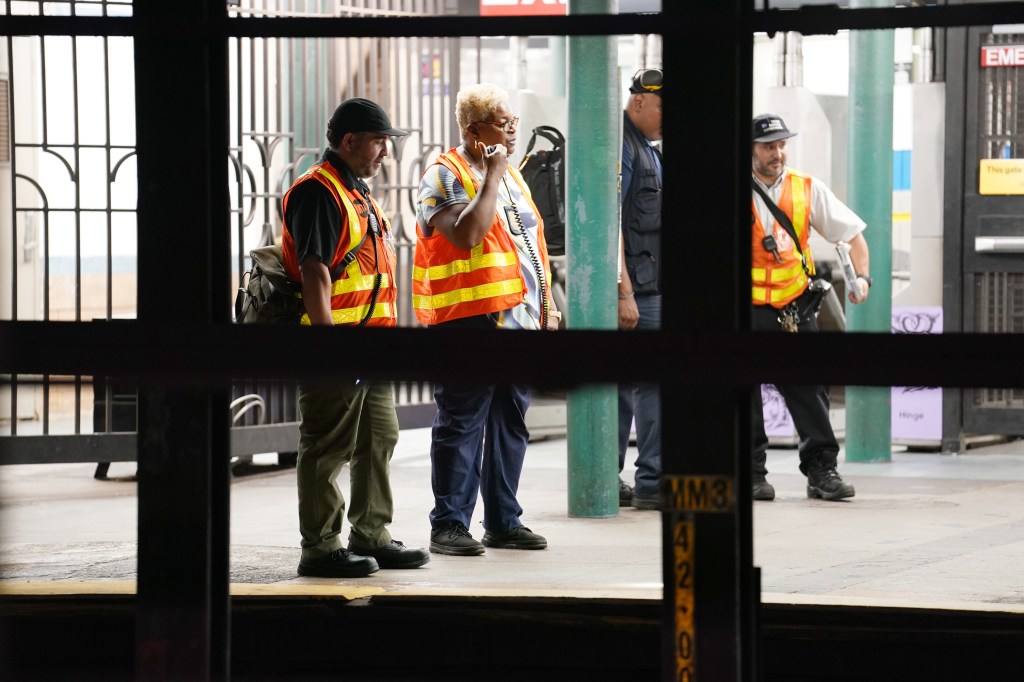
Navam and Chitre, both 24, were pronounced dead at the scene. The medical examiner’s office will determine official causes of death and conduct toxicology testing that could clarify whether intoxication played the role sources have suggested.