

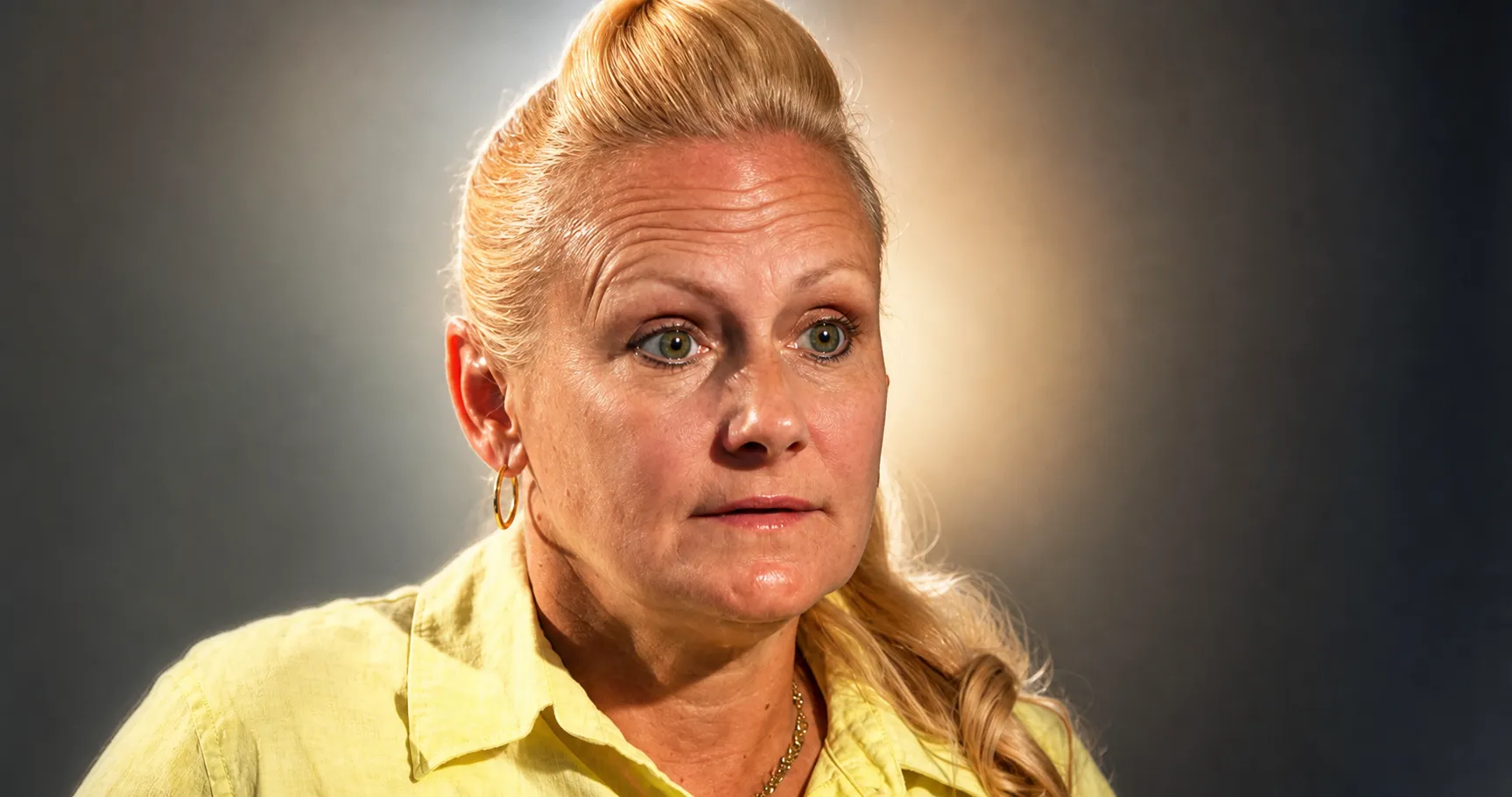
Lawyers for Pamela Smart, who is serving a life sentence for orchestrating her husband’s murder by her teenage student in 1990, are asking a New Hampshire judge to allow her latest petition for a new trial to move forward. A hearing on the motion took place on Monday before Merrimack Superior Court in Concord.
Smart, now 58, was a 22-year-old high school media coordinator when she began an affair with a 15-year-old boy who later fatally shot her husband, Gregory Smart, in Derry. Though Smart has always denied knowledge of the murder plot, she was convicted as an accomplice to first-degree murder and other crimes and was sentenced to life without parole. The teenager who pulled the trigger was released in 2015 after serving a 25-year sentence.
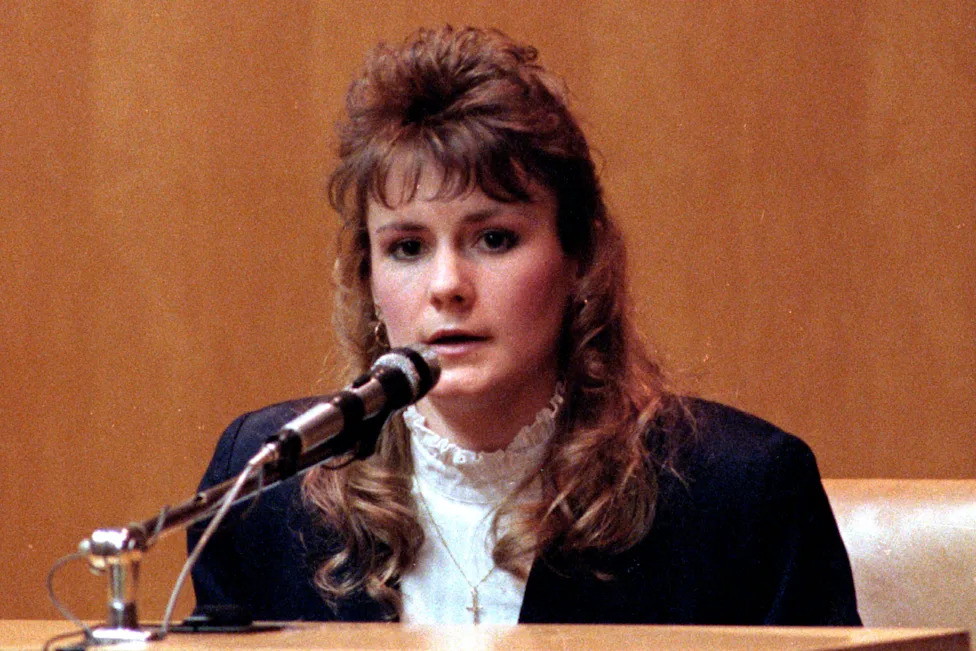
Smart’s trial in 1991 made legal history as one of the first in the nation to be broadcast live on television from start to finish. The case became a national media sensation, inspiring the 1995 film “To Die For” starring Nicole Kidman, and was a precursor to later sensational trials. At the time of the trial, media coverage was unprecedented in its intensity, with satellite trucks and reporters descending on New Hampshire in unprecedented numbers.
Her latest legal challenge centers on audio evidence and trial procedures. Smart’s lawyers argue that prosecutors misled the jury by providing transcripts of surreptitiously recorded conversations that included words not actually audible on the recordings. According to the petition, words like “killed” in the sentence “you had your husband killed,” “busted” in “I’m gonna be busted,” and “murder” in “this would have been the perfect murder” were included in the transcripts despite being inaudible in the actual recordings.
Her attorney, Matthew Zernhelt, argued that when people are handed a script, they inevitably hear the words they are shown. He stated that jurors were not evaluating the recordings independently but were instead “being directed toward a conclusion, and that direction decided the verdict.”
The petition also contends that the verdict was tainted by media attention and that jurors received faulty instructions. Smart’s lawyers argue that jurors were told they must find that Smart acted with premeditation and were not instructed to consider only evidence presented at trial. Additionally, they claim the trial court improperly imposed a mandatory life sentence without parole for being an accomplice to first-degree murder, despite New Hampshire law not mandating that sentence for that specific charge.
The state’s lawyers have asked the judge to dismiss the petition entirely. They argue that nearly all of Smart’s claims are barred because they were already raised on appeal and resolved by the New Hampshire Supreme Court, or could have been raised during prior appeals but were not. They noted that during Smart’s original trial, the defense only expressed concern about the recording transcripts failing to account for the “doubling” of voices when two people speak at once. The judge instructed jurors that if the tapes differed from the transcript, they should use what they heard instead.
Smart’s legal options have narrowed considerably after years of unsuccessful appeals. She has attempted multiple times to obtain a sentence reduction hearing with New Hampshire’s Executive Council, an elected body that approves state contracts and judicial appointments. The New Hampshire Supreme Court dismissed her petition in 2023 after she appealed the council’s rejection. Her latest petition for a new trial was filed after Governor Kelly Ayotte rejected her request last year to bring the matter before the council again.
In 2024, Smart took a significant step by accepting full responsibility for her husband’s death for the first time in a videotaped statement. She said she had spent years deflecting blame “almost as if it was a coping mechanism.” In the video, she acknowledged the difficulty of accepting her role in the killing and said she had to face the reality of her responsibility.
The case against Smart relied heavily on testimony from her teenage co-conspirators who had entered plea bargains. According to the prosecution’s case, William Flynn, the teenager who shot Gregory Smart, testified that Smart told him she needed her husband killed because she feared she would lose everything if they divorced. He also testified that Smart threatened to break up with him if he didn’t kill her husband. Flynn and three other teens cooperated with prosecutors, and all have since been released from prison.
On May 1, 1990, Flynn and 17-year-old Patrick Randall entered the Smarts’ Derry condominium and forced Gregory Smart to his knees in the foyer. As Randall held a knife to the man’s throat, Flynn fired a hollow-point bullet into his head. Both pleaded guilty to second-degree murder and were sentenced to 28 years to life before being granted parole in 2015.
Smart has been incarcerated at the maximum-security Bedford Hills Correctional Facility for Women in New York for the past 30 years. During her time in prison, she has earned a doctorate in ministry and multiple master’s degrees, tutored fellow inmates, been ordained as a minister, and served on an inmate liaison committee.
The judge’s decision on whether to allow Smart’s habeas corpus petition to proceed could determine whether she receives an opportunity to argue her case for a new trial before the court.