

Think back to the last TV show you couldn’t stop watching, or the film you immediately recommended to everyone. Odds are, it came from one of a small handful of studios that have dominated entertainment for decades.
On one side, there’s Warner Bros — the company behind Harry Potter, Game of Thrones, The Dark Night, and an enormous slice of what many people grew up watching. On the other, Paramount: the Hollywood heavyweight responsible for Top Gun, Mission Impossible, Titanic, and the Nickelodeon machine that shaped generations of kids with its (sometimes questionable) cartoons.
Now, those two legacy powerhouses could end up under the same roof — a move that would reshape a big part of the streaming landscape in the US.
Streaming guide JustWatch reports that, in the first quarter of this year, HBO Max accounted for roughly 12 percent of US on-demand subscriptions, while Paramount+ sat at about 3 percent.
Add those together and the combined platform would begin to close the gap on bigger rivals — landing just below Prime Video’s reported 17 percent, and not far behind Netflix at 19 percent.
By comparison, Disney remains the biggest force overall, holding around 27 percent of the market when Hulu and Disney+ are counted together.
This week, the prospect of Warner Bros. And Paramount combining has started to look far more real — and the possibility is already causing a major backlash across Hollywood.
Warner Bros. Discovery shareholders have voted to approve a massive $111 billion takeover by Paramount Skydance, setting up what could become one of the most dramatic ownership shifts the industry has seen in years.
If it goes through, Paramount would gain control over some of the world’s best-known properties, including Harry Potter, Game of Thrones, and the news network CNN.
But the reaction hasn’t been universally celebratory.
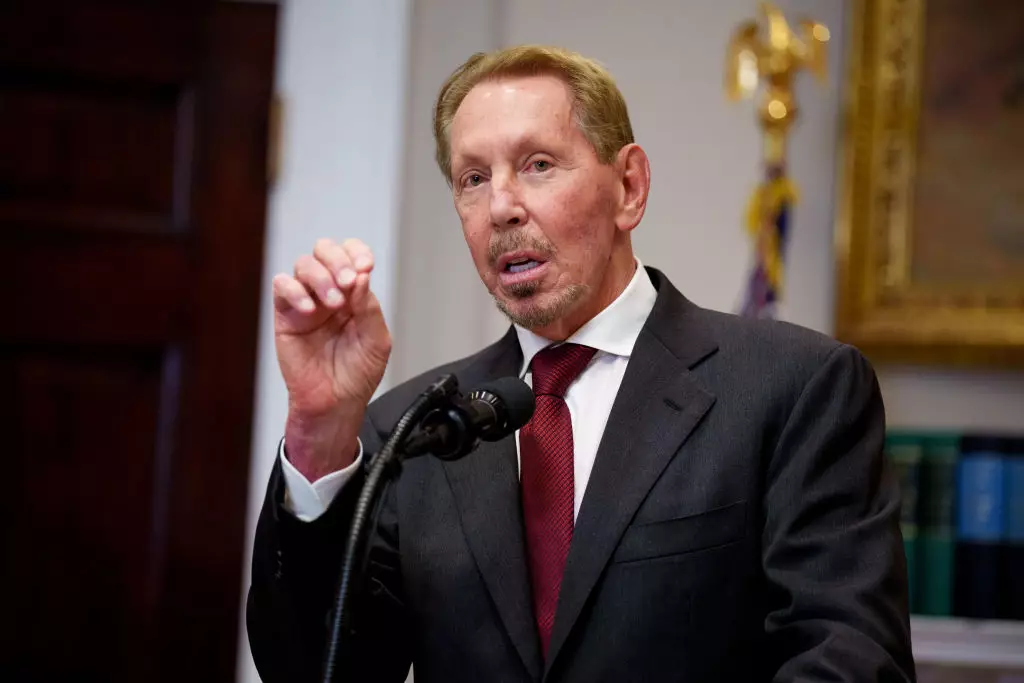
Paramount — backed by tech billionaire Larry Ellison and led by his son David — is positioned to take over Warner Bros. Entirely.
The combined company would fold HBO Max subscribers into its streaming base and bring together brands such as the Food Network and Discovery Channel, plus a significant portfolio of sports rights — alongside Paramount’s existing giants including Nickelodeon, CBS and Comedy Central.
Paramount expects the deal to be completed by September, as long as it clears regulatory scrutiny from both the US Department of Justice and European competition authorities. In the US, that approval may prove easier than expected, given Larry Ellison’s ties to Donald Trump and his status as a major Republican donor.
That political connection is fueling additional anxiety because Trump has been highly critical of Warner Bros owned CNN in the past, often brandishing them ‘fake news’ and calling for the network to be sold off. It will be now in the hands of one of his friends.
Critics also warn the merger would further shrink the already-small circle of major US film studios — with multiple reports suggesting the number would fall from five to four — and many in the industry see that as a serious threat to competition and creative variety.
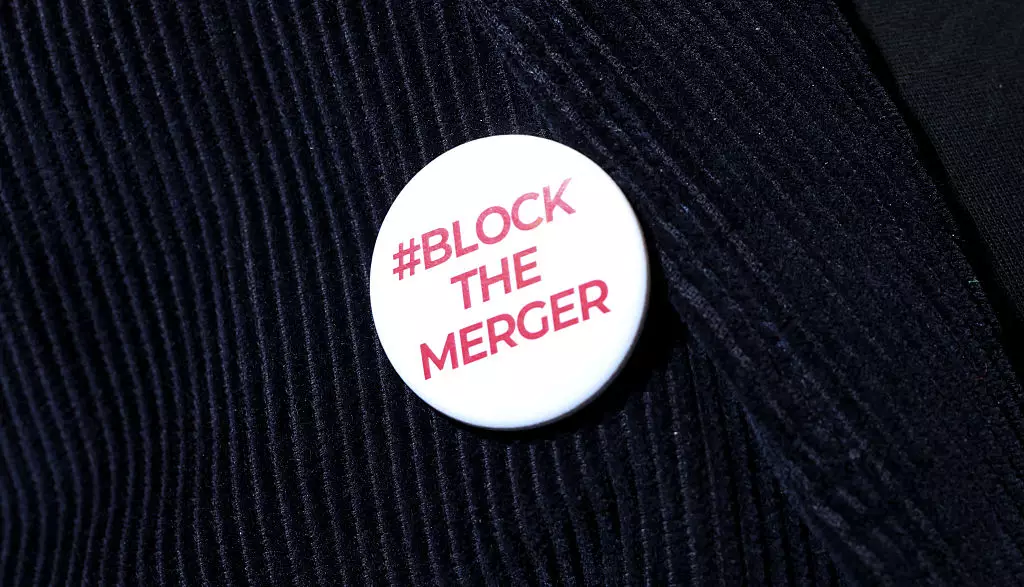
More than 4,000 film and television professionals have signed an open letter hosted at BlockTheMerger.com urging regulators to reject the deal.
The signatories include a long list of high-profile names, such as Joaquin Pheonix, Robert De Niro, Jane Fonda, Florence Pugh, Emma Thompson, Bryan Cranston, Ben Stiller, Sofia Coppola, David Fincher, Denis Villenue and Javier Bardem, among many others.
The letter argues that the tie-up would ‘consolidate an already concentrated media landscape, reducing competition at a moment when our industries, and the audiences we serve, can least afford it’.
“The result will be fewer opportunities for creators, fewer jobs across the production ecosystem, higher costs, and less choice for audiences in the United States and around the world.
“Alarmingly, this merger would reduce the number of major U.S. Film studios to just four.”
It also warns the merger could seriously undermine the industry’s ‘integrity, independence and diversity’.
Put plainly, opponents fear the impact would be fewer projects greenlit, fewer jobs across production, and less freedom for the creators audiences rely on for new stories.
Even with shareholder approval, the agreement still must pass the same regulatory hurdles — and that means the outcome is not fully settled.
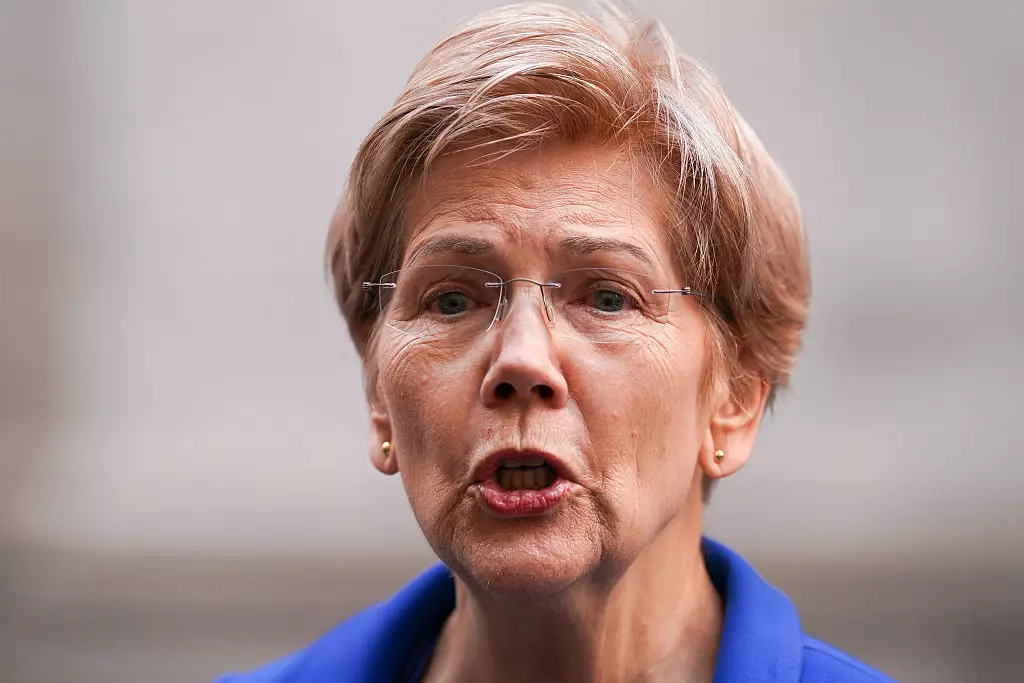
Democratic Senator Elizabeth Warren has labelled the merger an ‘antitrust disaster’ and says she intends to challenge it, with reports indicating state attorneys across the country are also mobilizing to intervene.
The Writers Guild of America is part of the wider pushback as well, alongside organizations such as Democracy Defenders Fund, Jane Fonda’s committee for the First Amendment, and Reporters Without Boundaries.
Still, analyst Mike Prolx of Forrester suggested to the BBC that US regulators are likely to approve the merger anyway.
He said: “The real regulatory pressure sits overseas, where European authorities will focus on structural market impact. A process that is likely to shape the timings and terms of the deal.
It’s still up in the air, but it looks increasingly likely the deal is going to be approved.