

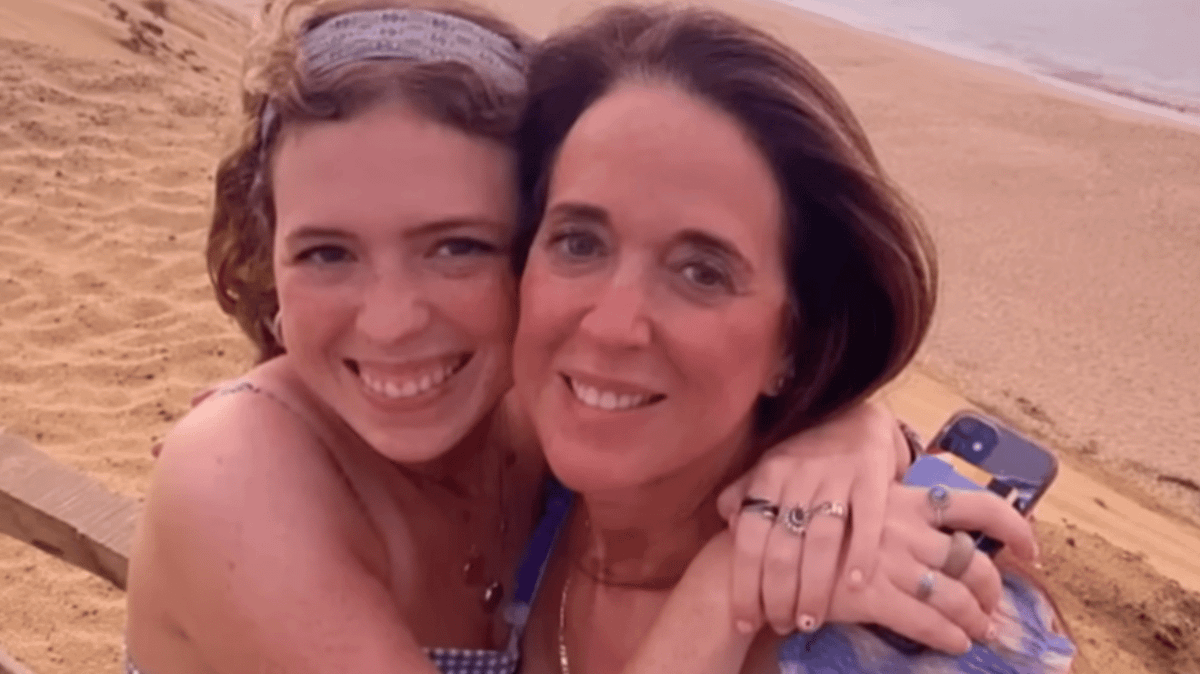
The parents of a 21-year-old college student are urging lawmakers to tighten rules around energy drinks after their daughter died in 2022, shortly after drinking a highly caffeinated beverage at a restaurant.
Sarah Katz, from New Jersey, grew up taking extra precautions because she was born with a serious heart condition that could be set off by certain triggers.
In an effort to stay safe, she steered clear of rollercoasters and team sports, and even chose not to drink coffee, despite being told she could have it in limited amounts.
Sarah lived with Long QT syndrome, a genetic or acquired heart rhythm disorder in which the heart’s electrical system takes longer to “reset” between beats. The condition can raise the risk of dangerous arrhythmias, fainting episodes, and sudden death, and it is estimated to affect about 1 in 2,000 people in the US.
Her family says Sarah took her health seriously: she consistently took her prescribed nadolol, a beta-blocker used to help keep her heart rate down, and avoided items her doctors warned could worsen her condition—including energy drinks.
That is why her parents say they were stunned when Sarah died after experiencing cardiac arrhythmia, maintaining that she would not have knowingly ignored medical advice.

Following her death, Sarah’s parents filed a wrongful death lawsuit against Panera Bread. They allege the chain served their daughter a 30-ounce Charged Lemonade and believe the drink’s caffeine content contributed to her fatal episode.
The case was among multiple lawsuits tied to Panera’s Charged Lemonade products.
According to a report from the New York Post, Sarah’s parents have since taken their campaign to Washington, D.C. In January 2024, they teamed up with Robert Menendez, a congressional representative hired to draft a bipartisan proposal known as the Sarah Katz Caffeine Safety Act.
The proposed bill would push for clearer labeling on energy drinks and would also require restaurants to display warnings for beverages containing more than 150mg of caffeine.
The lemonade at the center of the lawsuit reportedly contained 390mg of caffeine—just 10mg under the maximum daily intake often recommended for adults. The drink allegedly had more caffeine than Red Bull and Monster Energy combined.
The lawsuit also claims the beverage was promoted near ‘noncaffeinated and/or less caffeinated drinks’. Not long after consuming it, Sarah collapsed and went into cardiac arrhythmia, according to the filing.
Emergency responders were called, but her family says help arrived too late.
Sarah was a student at the University of Pennsylvania and had experienced earlier medical emergencies linked to her condition. When she was five, she had a seizure during a swim lesson and was taken to a nearby hospital.
Her mother, Jill, said a doctor told her how ‘lucky’ she was.

“Very often the first episode is death,” she told the outlet.
After that childhood scare, Sarah’s parents say they were advised that her condition could be managed as long as she took her medication and avoided known triggers—caffeinated drinks included.
Since losing Sarah, her mother has focused on pushing for stronger oversight of high-caffeine beverages. There is currently no federal minimum age to purchase energy drinks in the US, though some states have adopted their own limits.
Doctors and public health experts have repeatedly raised concerns about the potential harms of these products and have called for stricter rules on how they are sold and advertised. Panera Bread has since taken Charged Lemonade off its menu.
Sarah would have turned 25 this April.