

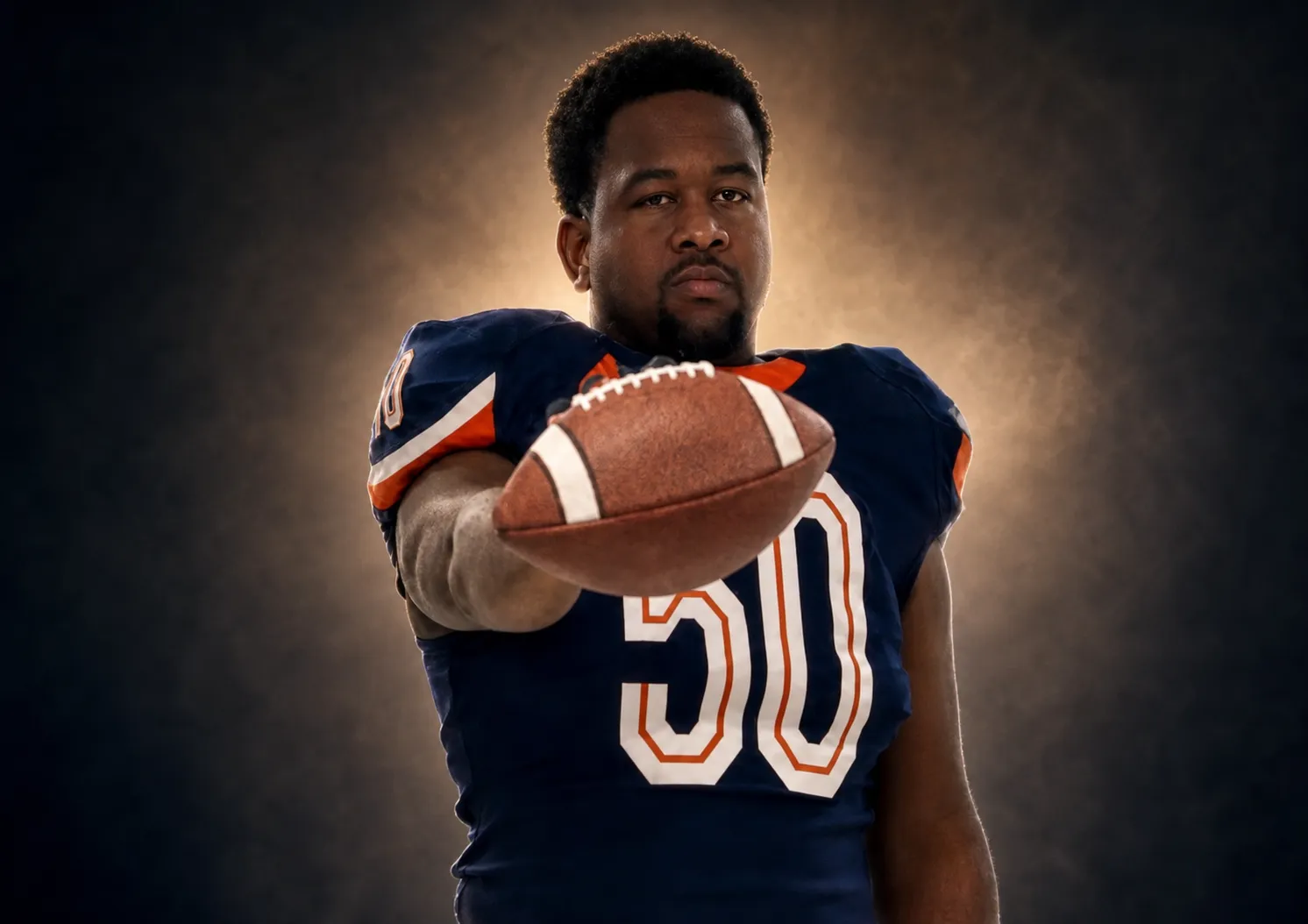
Nearly two years after a Bucknell University freshman football player collapsed and died during a conditioning session, authorities have charged the strength and conditioning coach overseeing the workout. The criminal case represents a significant step forward for the family seeking accountability in what prosecutors describe as a preventable tragedy involving deliberate hazing.

Mark Kulbis, the former strength and conditioning coach at Bucknell University in Pennsylvania, was charged Monday with felony aggravated hazing in connection with the July 2024 death of Calvin “CJ” Dickey Jr. He also faces misdemeanor counts of involuntary manslaughter, reckless endangerment and hazing. Kulbis surrendered to authorities and was arraigned, with bail set at $10,000 unsecured and a preliminary hearing scheduled for July 28.
The death of Dickey, an 18-year-old recruit from Florida, stemmed from extreme conditioning drills performed during his first day of freshman football practice on July 10, 2024. Dickey had sickle cell trait, a genetic condition that significantly increases the risk of serious injury or death during intense physical exertion. According to prosecutors, Kulbis directed Dickey and other players to perform 100 “up-downs,” also known as burpees, along with several full-body plank drills despite having been informed of Dickey’s medical condition and trained on NCAA anti-hazing standards.
According to court documents and the attorney general’s investigation, the exercises were imposed as punishment for the players not executing drills correctly. Dickey, who was visibly struggling, collapsed during the session. Kulbis was the only coach in the training room and did not seek medical assistance until after Dickey lost consciousness. Dickey was transported to a hospital where he died two days later on July 12, 2024.
An autopsy determined that Dickey’s death resulted from a combination of factors: the intense conditioning drills, his sickle cell trait, his body weight, and exertional rhabdomyolysis, a severe form of muscle breakdown that can damage internal organs. Experts say sickle cell-related rhabdomyolysis is easily prevented and even reversed by stopping exercise immediately when symptoms appear.
The Dickey family expressed relief at the criminal charges being filed. In a statement through their attorneys, the family said they were grateful for the criminal charges filed in connection with what they called Dickey’s preventable death. They described the charges as “a meaningful measure of criminal accountability” while noting that their civil case against Bucknell University continues.
The criminal charges were announced by Pennsylvania Attorney General Dave Sunday, who stated that the facts demonstrated “an intentional, deliberate hazing perpetrated by a coach who knew C.J.’s health condition made him vulnerable to extreme workouts.” The attorney general emphasized that Kulbis had received information about Dickey’s medical condition along with training about NCAA anti-hazing standards, yet disregarded that information. Sunday called the death “an extraordinary tragedy, worsened by the fact that C.J.’s death was preventable.”
The felony aggravated hazing charge against Kulbis is made possible by Pennsylvania legislation enacted following the 2017 hazing death of Penn State University student Tim Piazza. The law reflects the state’s commitment to treating hazing as serious criminal conduct.
Kulbis worked as head football strength and conditioning coach at Bucknell for approximately six years before leaving the university in January 2025, about six months after Dickey’s death.
Dickey’s parents filed a wrongful death lawsuit against Bucknell University in 2025, along with Kulbis and several school officials, arguing that the athlete’s death was completely avoidable. The lawsuit contends that the university was aware of their son’s sickle cell trait diagnosis, cleared him to participate in football, but failed to protect him from dangerous conditioning practices. The suit also notes that if the defendants had followed well-established practices to protect athletes with sickle cell trait, Dickey would still be alive.
In a statement to the media, Dickey’s father, Calvin Dickey Sr., expressed both appreciation for the investigation and a continuing desire for answers. He noted that two years had passed without receiving full explanations of the circumstances surrounding his son’s death, but said he was pleased that the Attorney General’s office had investigated and made recommendations. He acknowledged that the charges brought some closure but indicated the family remained eager for more information about what happened.
Kulbis’s attorney, Barbara Zemlock, has maintained her client’s innocence. She stated that while the death was tragic, Kulbis did not contribute to it and was not responsible. She argued that the strength and conditioning program he implemented was appropriate and in accordance with the training he had received and with applicable standards. Zemlock indicated the defense intends to vigorously defend against all charges.
Bucknell University has declined to comment extensively on the matter due to the active criminal proceedings and pending civil litigation. The university stated it has cooperated fully with the Pennsylvania Attorney General’s Office throughout the investigation and expressed condolences to Dickey’s family, though the school has also faced scrutiny over its role in cleared Dickey to play despite knowing of his medical condition.