

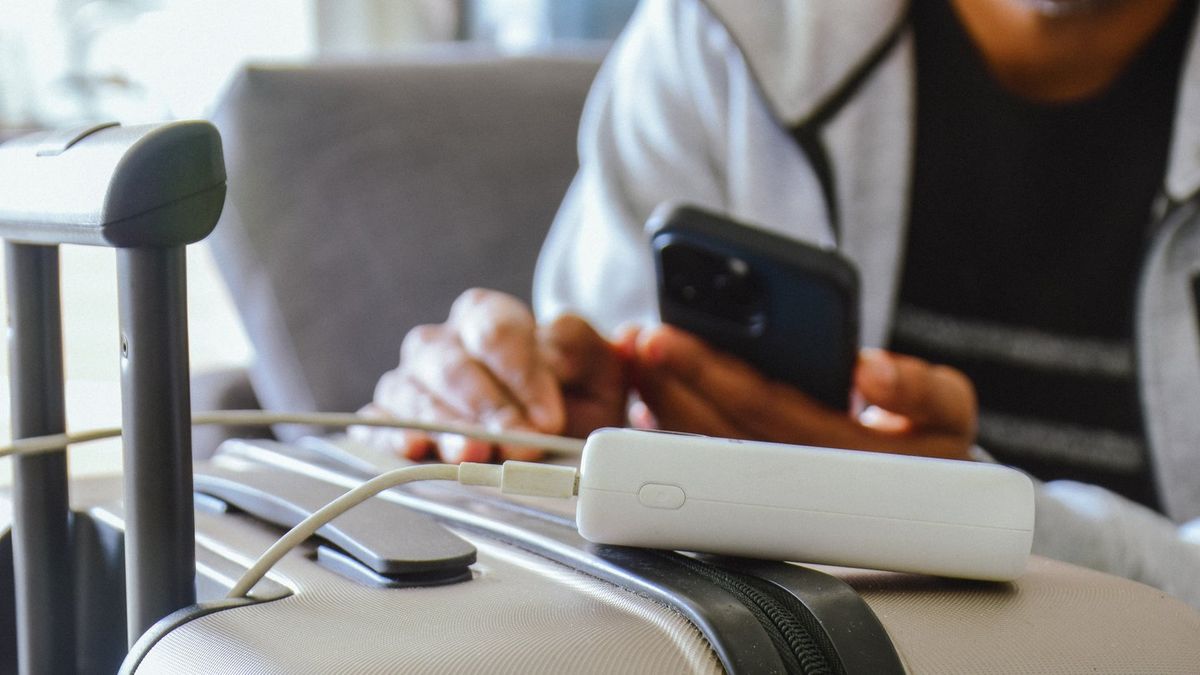
Millions of Americans who fly with the nation’s largest airline are about to face a new set of travel rules, a move that could impact a huge number of passengers during the busy summer vacation period.
American Airlines customers will soon need to follow updated guidance concerning a familiar phone-charging item—one that’s being scrutinized by more carriers across the industry as safety worries grow.
The concern centers on power banks: if they’re poorly manufactured, damaged, or defective, they can overheat or even explode—an especially frightening scenario inside a pressurized cabin at 30,000 feet.
Portable chargers have become a standard part of modern travel, since phones are now required for everything from boarding passes to digital visa and travel authorization documents.
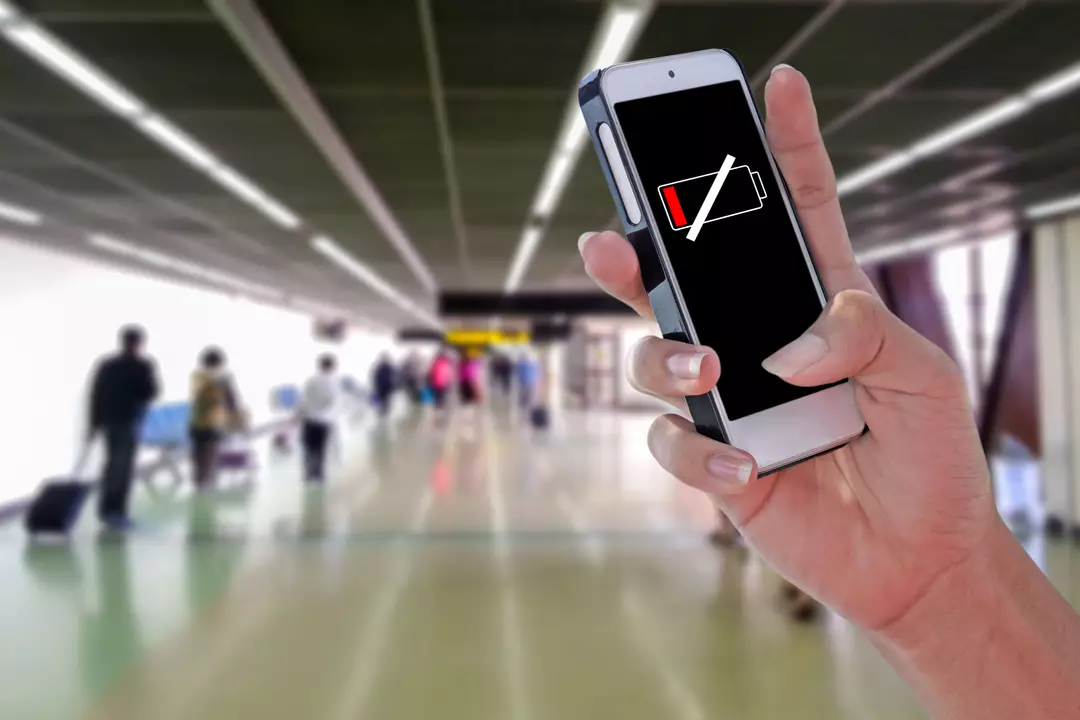
All of that depends on having enough battery power, which makes the idea of your phone dying mid-journey feel almost as disruptive as realizing you forgot an important travel document.
At the same time, the number of reported incidents involving these devices has pushed airlines toward tighter controls—despite how reassuring power banks can be for travelers who don’t want to hunt for outlets in airports and terminals.
American Airlines is the latest major carrier to implement additional requirements, with several new rules around portable chargers set to take effect from May 1.
Starting Friday, passengers will need to keep power banks in view throughout the flight. That means no running a cable from a charger tucked away in a bag, and no stashing the device out of sight in your carry-on.
“We know our customers rely on portable chargers to keep devices powered throughout their journey,” the carrier stated.
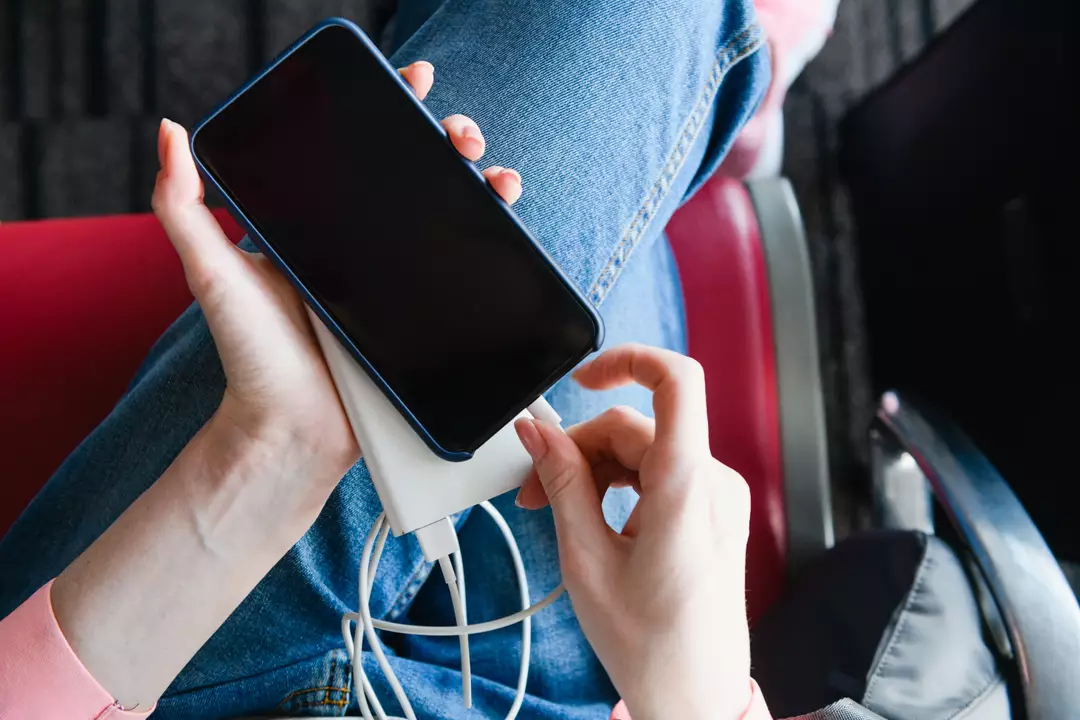
It continued: “To support safety on board while ensuring our customers continue to have the ability to charge when on the go, American is requiring customers to keep these devices easily accessible during flight.”
Also from Friday, travelers will be limited to bringing two portable chargers, and the devices can’t be recharged while onboard. In addition, power banks must stay within the 100 to 160 watt-hour range.
Most passengers won’t need more than two chargers even on longer flights, but the updated limits may be challenging for some travelers.
That’s partly because power banks can’t be packed in checked luggage or placed in overhead bins—effectively meaning each traveler will be capped at two portable chargers for the entire trip.
While the shift may feel sudden, it reflects a broader crackdown by airlines following Federal Aviation Administration guidance issued last September.
In 2025, the FAA recorded 97 lithium battery incidents, with 82 involving passenger planes and 34 involving batteries or battery packs.