

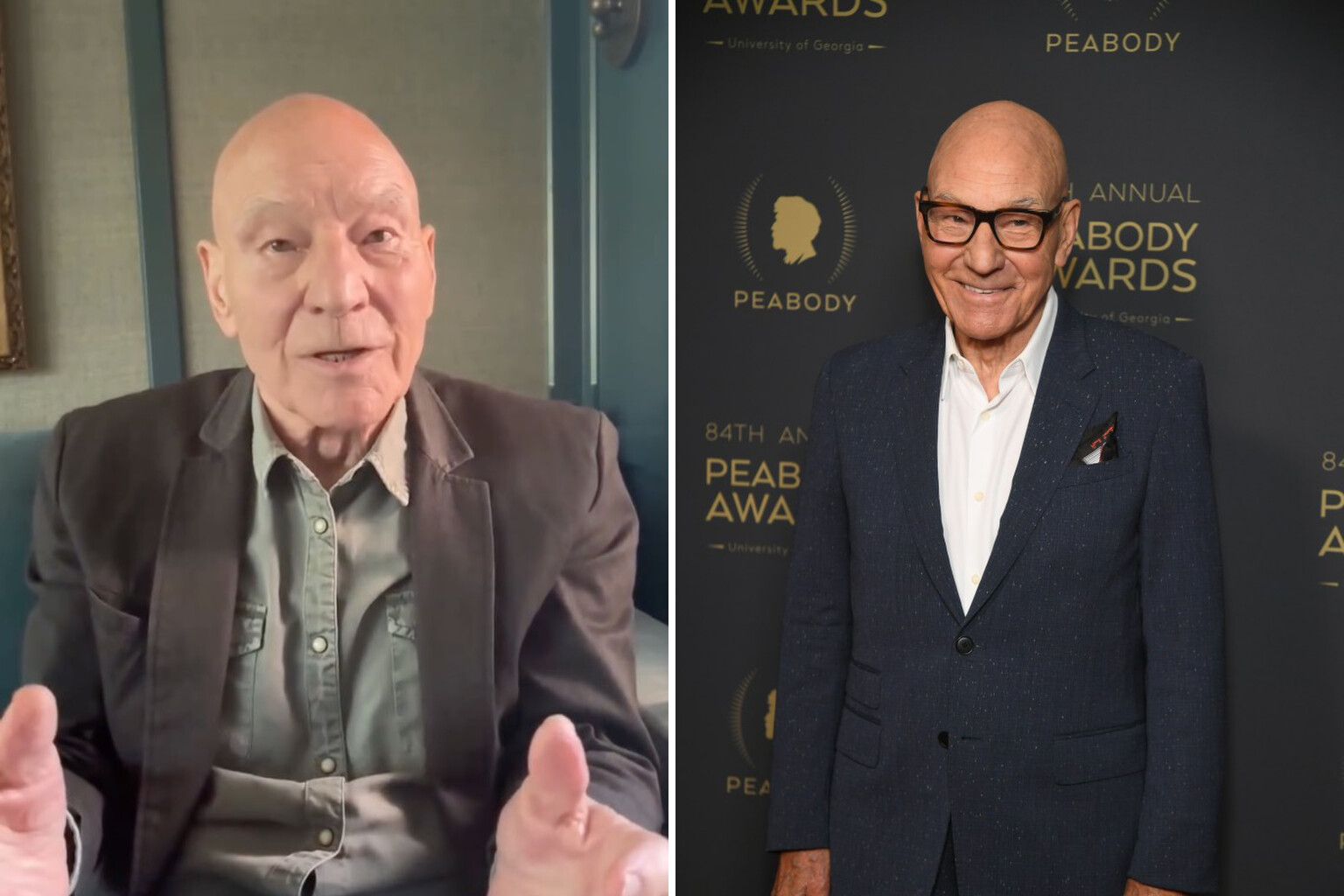
Patrick Stewart shared fresh Shakespeare performances on Instagram mere months before his death at 86.
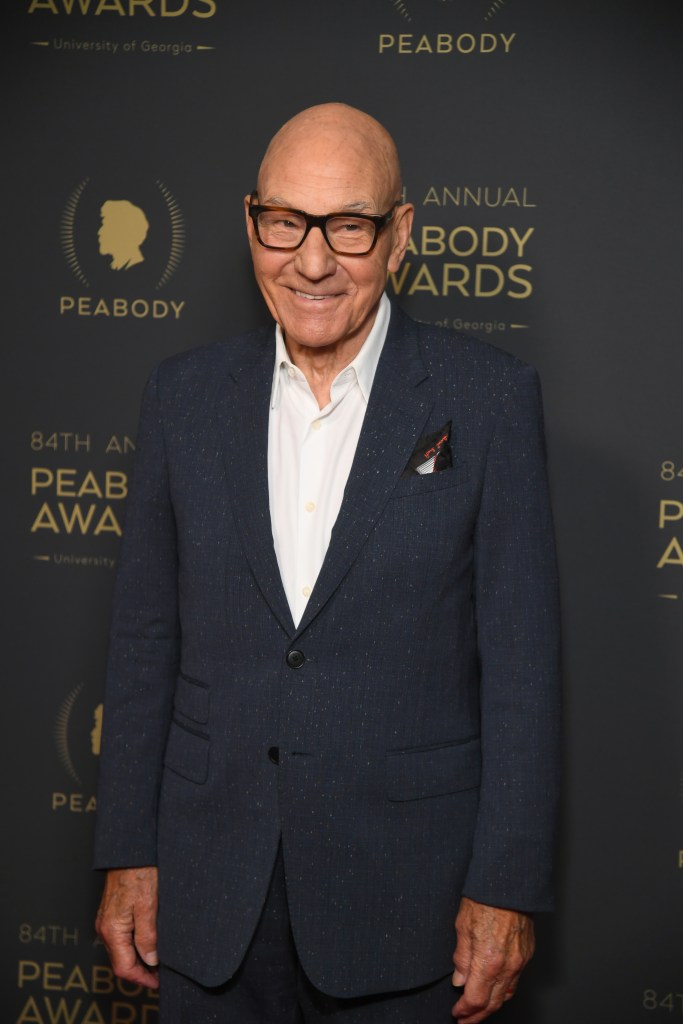
The British actor, whose stage career with the Royal Shakespeare Company began in 1966, had remained creatively active through social media even as he stepped back from public life. His final red-carpet appearance came in June 2024 at the 84th annual Peabody Awards at the Beverly Wilshire hotel in Los Angeles, California — nearly two years before his passing.
Stewart died following a brief battle with Alzheimer’s Disease and Lewy Body Dementia, his family announced.
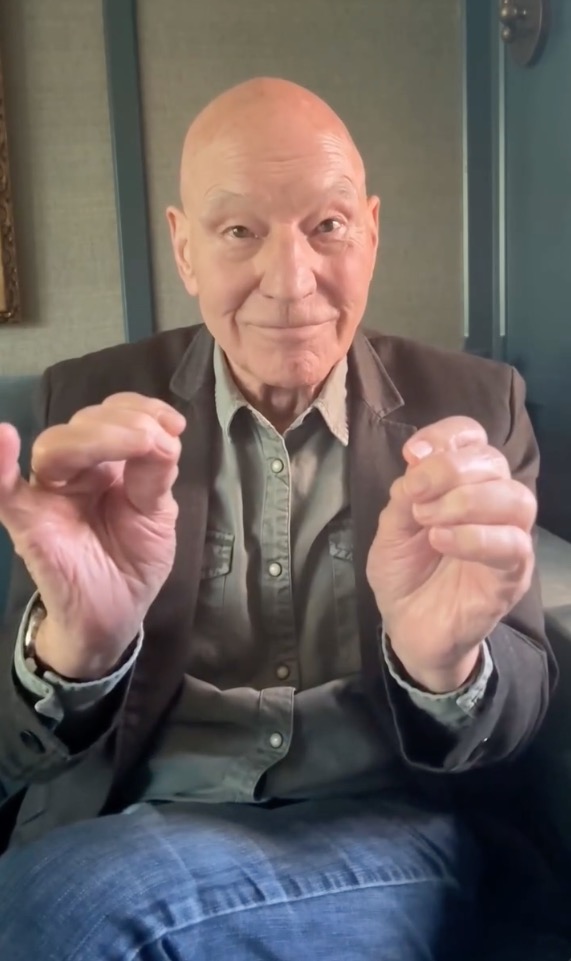
In April, Stewart revealed on Instagram that he had completed an audio collection titled “Patrick Stewart Performs the Complete Sonnets of William Shakespeare,” featuring all 154 of the playwright’s works. The project originated with his wife, Sunny Ozell, building on the momentum of his “Sonnet-A-Day” series during the COVID-19 pandemic.
Later that month, to honor Shakespeare’s birthday, Stewart posted a video from his home. Seated on a couch in a green button-down shirt and brown blazer, he delivered lines from what he called his “most favorite sonnet,” Sonnet 116.
“I’ve converted a few of my friends to its cause, and I’m hoping you’re next. Cheers!” he wrote in the caption.
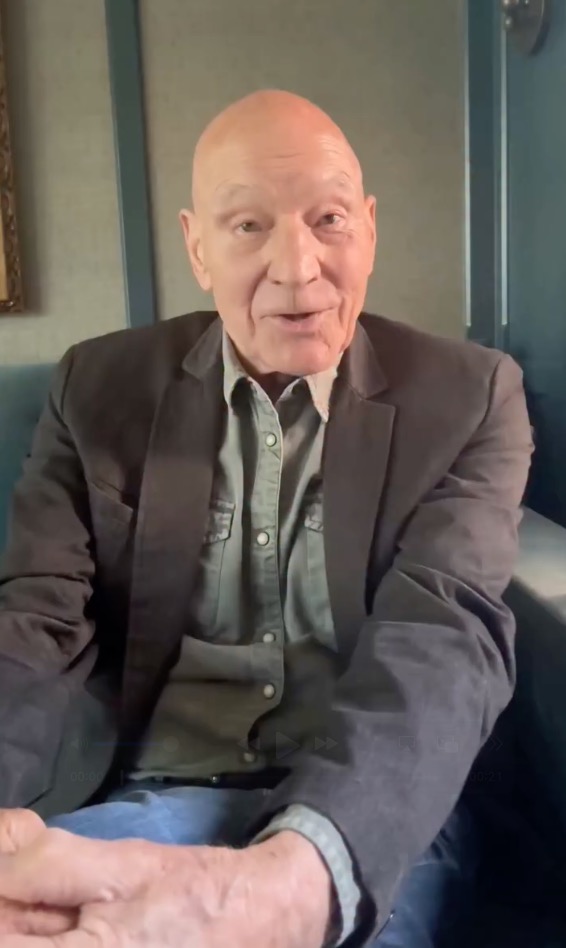
The following month, Stewart returned to Instagram to commemorate the anniversary of the sonnets’ 1609 publication. He addressed listeners who had found his audio collection.
“I hope it has brought pleasure and curiosity, but more than anything else, I want it to have communicated all the multiple features that love might have,” he shared.
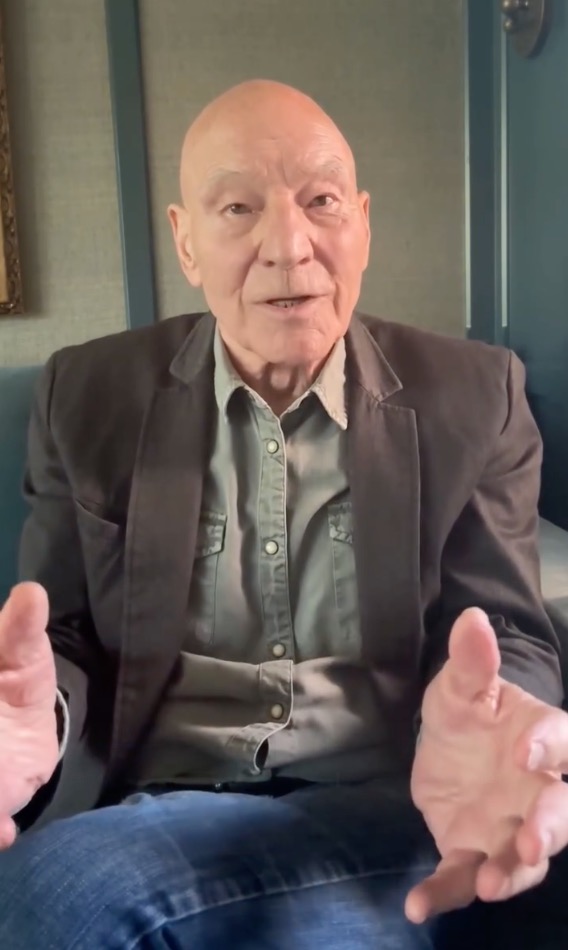
Across more than five decades, Stewart performed in more than a dozen stage productions of Shakespeare’s works. His classical training anchored a career that spanned blockbuster franchises and intimate theater alike, yet the sonnet project represented a return to foundational texts in a deeply personal format.
The Instagram performances offered fans a rare glimpse of Stewart working in close quarters with verse, unmediated by production apparatus. His delivery retained the precision that had defined his stage work since the 1960s, now directed toward a camera in a domestic setting rather than a theater full of spectators.
Stewart’s final posts stand as a coda to a lifetime of public performance — one that bridged the gap between his earliest RSC commitments and the digital platforms that carried his voice to a final generation of listeners.