

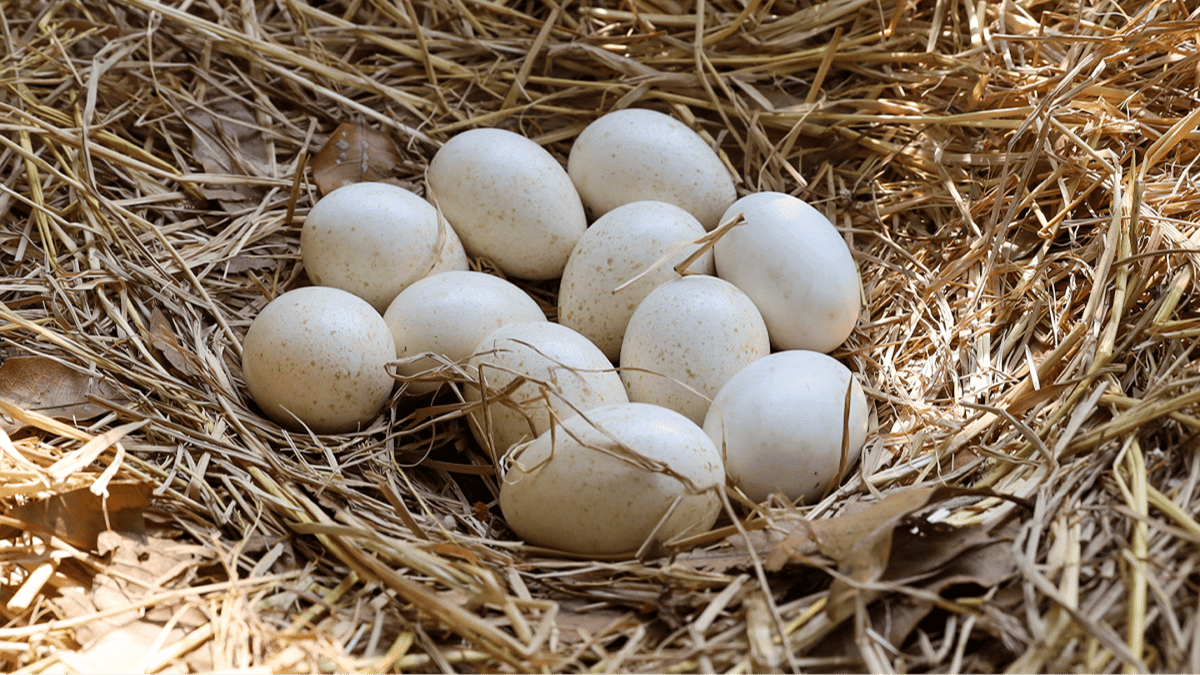
Experts have explained why turkey eggs rarely show up in supermarket aisles, even though turkey remains a go-to meat for many households.
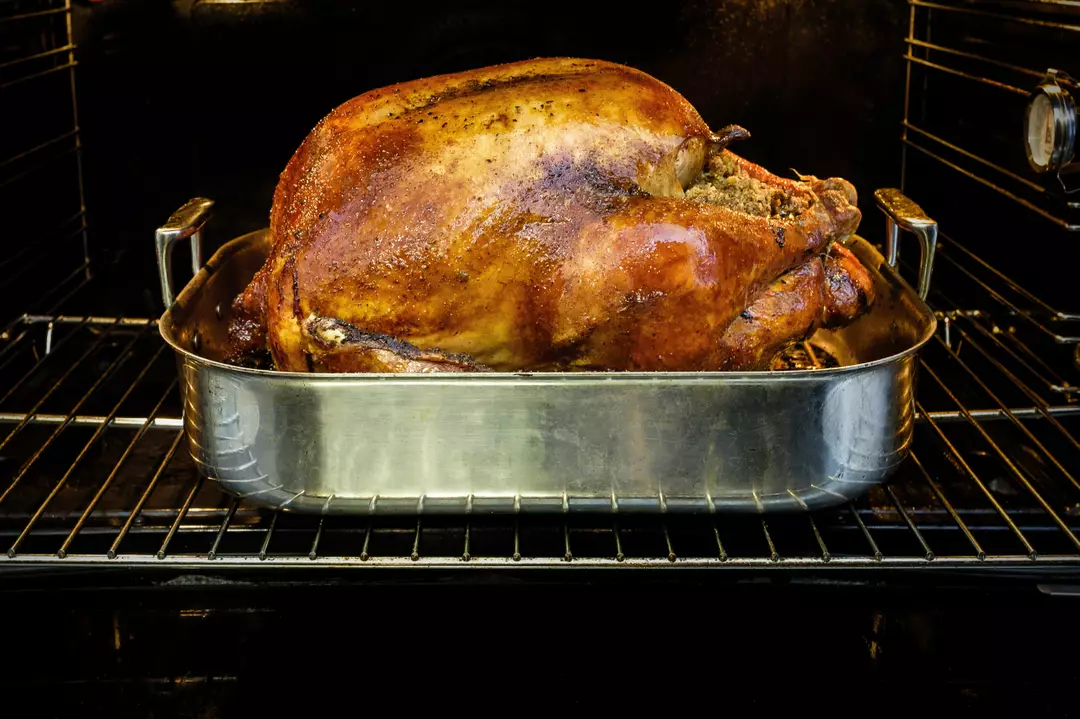
As Thanksgiving and Christmas come around each year, plenty of people have one main dish in mind: turkey.
Not everyone is a fan, with critics arguing it can turn out dry and flavourless unless it’s heavily basted or packed with butter. Even so, turkey continues to be one of the most popular festive centrepieces.
That popularity makes one thing seem odd: turkey eggs are hardly ever sold in stores. Meanwhile, eggs from other birds—like ducks, and especially chickens—are easy to find.
You might think the reason is simple: maybe turkey eggs just don’t taste very good.
But that’s not really the issue. So what keeps them off the shelves?
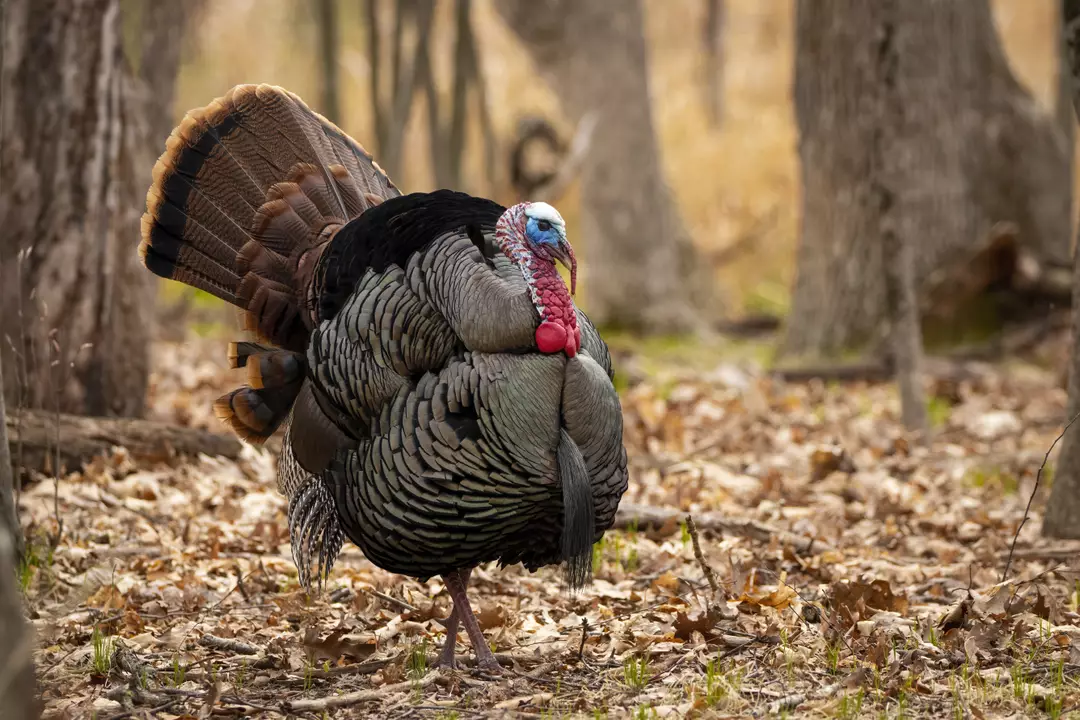
It mainly comes down to timing and economics: when turkeys begin laying, how frequently they do it, and how modern industrial egg production is set up.
Before large-scale egg operations became the norm, turkey eggs did appear more often in people’s diets.
From a nutrition standpoint, turkey eggs are richer than chicken eggs. They typically contain close to twice the calories and fat, although they also carry around three times the cholesterol.
The bigger problem is efficiency. Turkeys take longer than chickens to reach the point where they can lay eggs, and once they do, they produce eggs at a slower pace.
On top of that, turkeys generally require more feed and more care, which increases the overall cost of raising them.
Put together, those factors make turkey eggs far more expensive to produce per egg than standard chicken eggs.
Some estimates suggest producers would have to charge around $36 per dozen—about $3 per egg—just to make it financially worthwhile.
Speaking to MailOnline, Kimmon Williams of the National Turkey Federation said: “Turkeys have a longer life cycle, so they need to get to about seven months before they are able to produce laying eggs.”
There is still a market for turkey eggs, but it tends to be niche—more of a specialty item for adventurous cooks than an everyday kitchen staple like chicken eggs.
Turkey farming, however, makes much more sense when the focus is meat.
Turkeys are substantially larger than chickens and yield a higher amount of the sought-after breast meat, meaning each bird can provide more of the cuts shoppers typically want.
Combine that with the dependable seasonal demand at Christmas and Thanksgiving, and turkeys remain a reliable choice for farmers—even if their eggs don’t end up in most shopping baskets.