

A medical professional has provided insights into what might be occurring with your health if you notice concerning changes in your hair.
Many people hold great pride in their locks, whether they prefer a long, flowing style or a short, stylish cut.
Unfortunately, factors like aging and genetics can lead to hair thinning, with the Cleveland Clinic noting that 70% of men are expected to experience hair loss as they age.
However, alterations in your hair’s appearance might not only be attributed to aging.
Instead, it could indicate a health issue that needs attention.
Skin specialist Doctor Vanita Rattan cautions that hair shedding or thinning could be indicative of one of seven possible conditions.
In some scenarios, these issues can be resolved, and you might see a revival in your hair’s vitality.
If you’ve been feeling uneasy about your thinning hair recently, continue reading for more information…
Doctor Rattan identifies seven possible underlying causes for hair thinning.
These causes range from vitamin deficiencies to hormonal imbalances, along with a common habit many are guilty of…
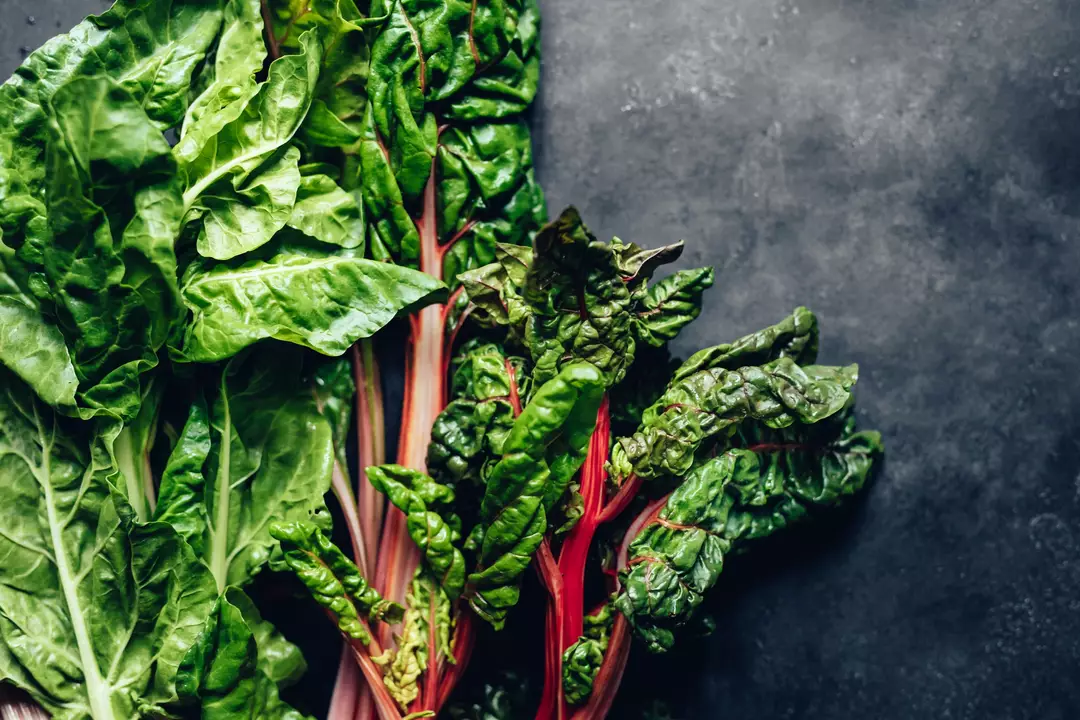
Iron is an essential nutrient that supports hair growth and helps anchor hair follicles. When iron levels decrease, the body prioritizes other essential functions over hair growth.
Doctor Rattan notes that this can manifest as hair thinning ‘sparse all over’ rather than in specific spots.
You might also notice ‘unusually pale skin’ accompanying this symptom.
If you’re concerned, Doctor Rattan suggests scheduling a blood test to assess your iron levels.
She also mentions that taking collagen shots and vitamin C could help reduce excessive hair shedding over time.
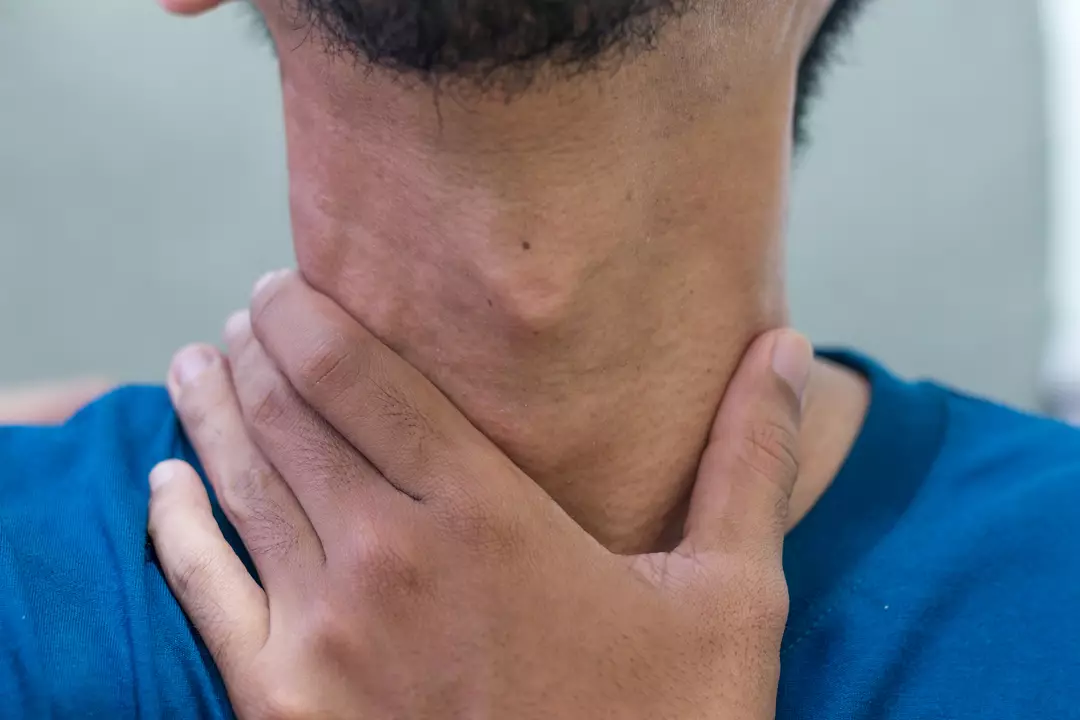
The thyroid functions as your body’s metabolic engine, and when it’s not operating correctly, your hair often shows signs first.
An underactive thyroid can cause your hair to become thin and brittle, while an overactive thyroid might lead to rapid shedding or even clumps falling out.
“If you’re noticing hair changes along with symptoms like fatigue, dry skin, or temperature sensitivity, it’s advisable to have your thyroid levels checked by a healthcare professional,” advises Doctor Rattan.
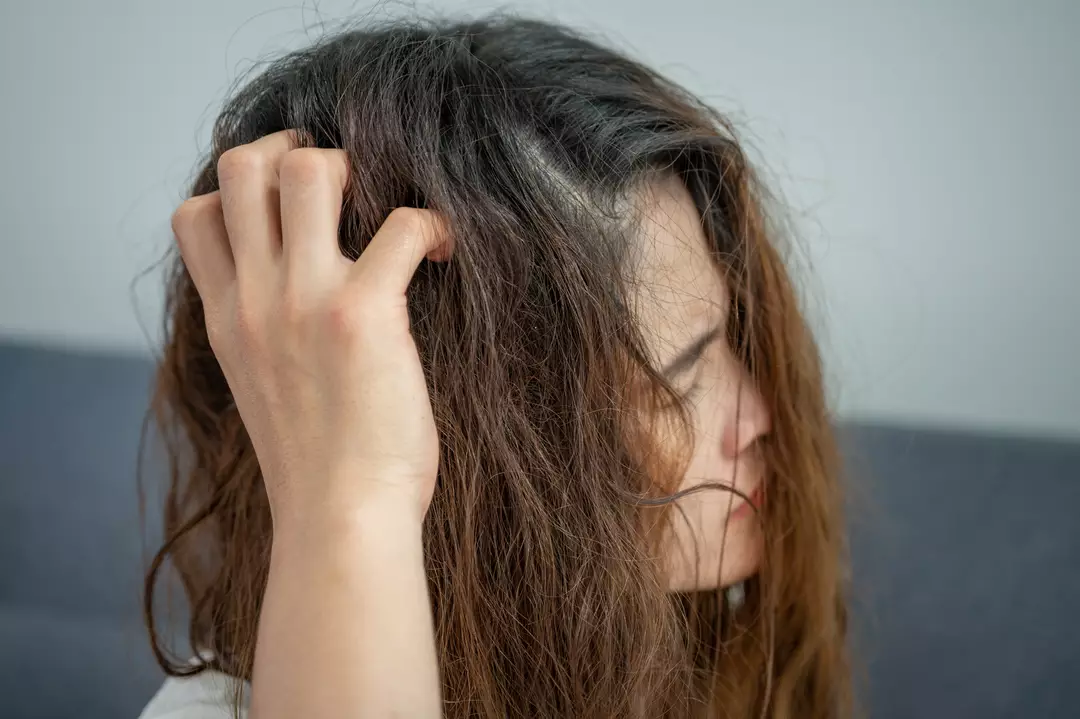
A healthy scalp is crucial for strong hair growth, but conditions such as seborrheic dermatitis or psoriasis can cause inflammation that weakens hair follicles, potentially leading to breakage or shedding.
If your scalp is easily irritated, Doctor Rattan suggests adopting a NAFE SAFE routine (no alcohol, essential oils, or fragrance) to minimize flare-ups.
For persistent inflammation, consulting a trichologist can help identify and address the root issue.

Prolonged stress raises cortisol levels, which can push hair into a resting phase, leading to increased fallout two to three months later.
Stress can also result in excess oil and scalp buildup, potentially blocking hair follicles.
Doctor Rattan suggests using a gentle weekly scalp exfoliator with rosemary extract and arginine to maintain a clear scalp.
If stress is a recurring issue, incorporating practices like breathing exercises, yoga, and ensuring seven to nine hours of quality sleep can promote healthy hair regrowth.

Hormonal changes due to pregnancy, postpartum shifts, menopause, or other factors can affect how many hairs grow, rest, or shed.
This often leads to temporary thinning or increased hair fall. Conditions like androgenic alopecia are also hormonally related.
Identifying the hormonal changes at play will guide appropriate treatment, whether it involves balancing hormones, using medications, or applying targeted topical treatments.

Hair requires essential nutrients to remain strong and grow effectively. Iron, zinc, biotin, vitamin D, and adequate protein all play a role in supporting healthy follicles and robust hair structure.
When these nutrient levels fall, hair can become weak, brittle, or visibly thinner.
If you suspect that nutrient deficiencies are affecting your hair, a blood test can identify what’s lacking, Doctor Rattan explains.
Supplements and dietary changes can also aid in restoring hair strength and density.

Many of us are guilty of not drinking enough water each day.
When dehydrated, the body prioritizes essential organs, leaving the scalp and hair neglected.
This can result in a dry, irritated scalp, while hair becomes brittle and more prone to breakage.
Chronic dehydration can also slow down hair growth and cause it to appear dull.
Doctor Rattan suggests aiming for at least eight glasses of water a day and considering the use of a lightweight hair strengthening oil to lock in moisture without adding weight to the hair.