

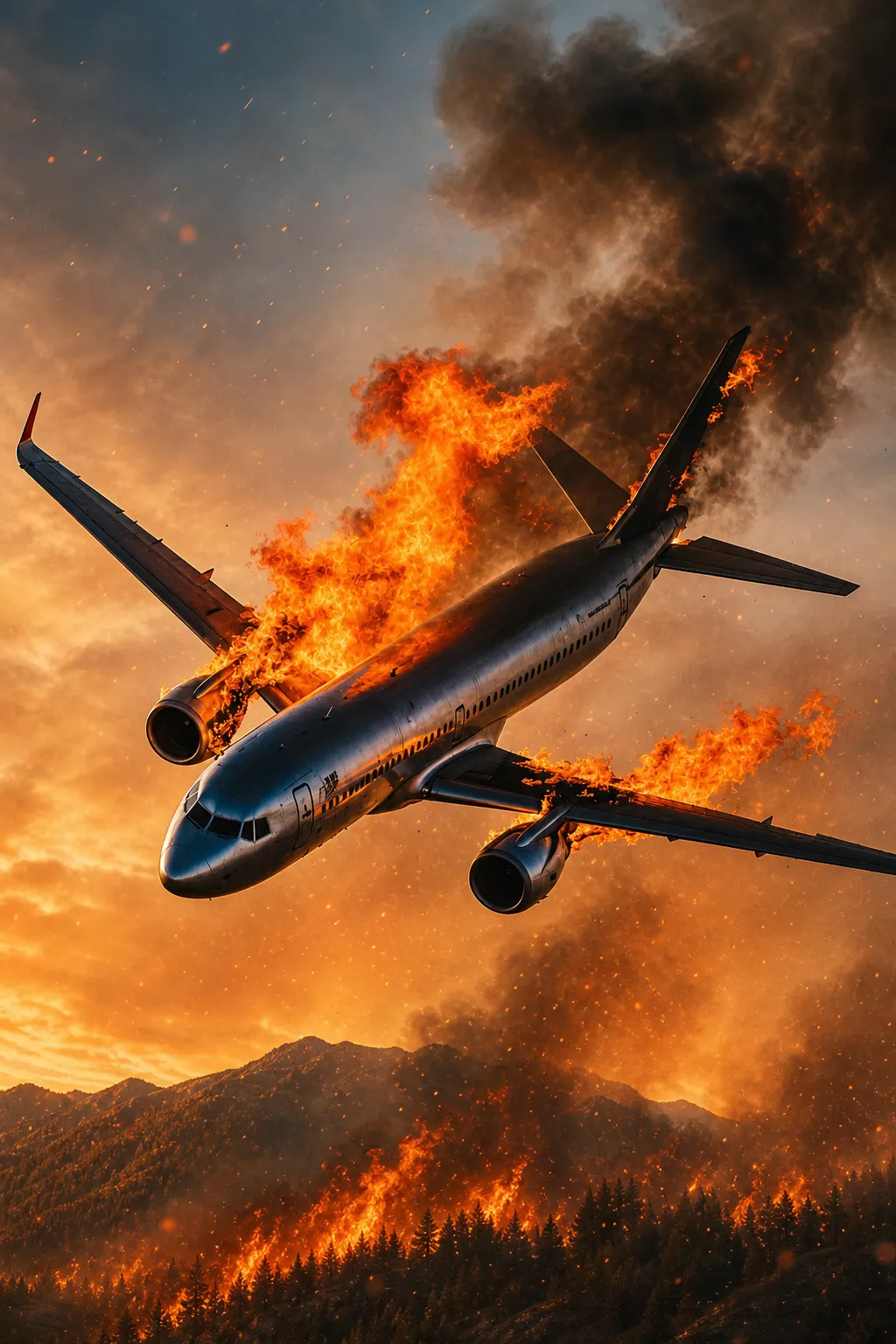
A pilot died Sunday evening when an aircraft being used to fight the Gold Mountain Fire in southwestern Colorado crashed into Silver Jack Reservoir. The Gunnison County Sheriff’s Office received a call at approximately 5:17 p.m. On July 12, 2026, reporting an aircraft down in the reservoir located in southwestern Gunnison County, northeast of the town of Ouray.
The pilot was the sole occupant of the aircraft, and authorities did not immediately specify the type of aircraft involved in the crash. A dive team from the Montrose County Sheriff’s Office recovered the pilot’s body from the reservoir later that evening and transported it to the Gunnison County Coroner’s Office. Authorities have withheld the pilot’s identity pending notification of next of kin.
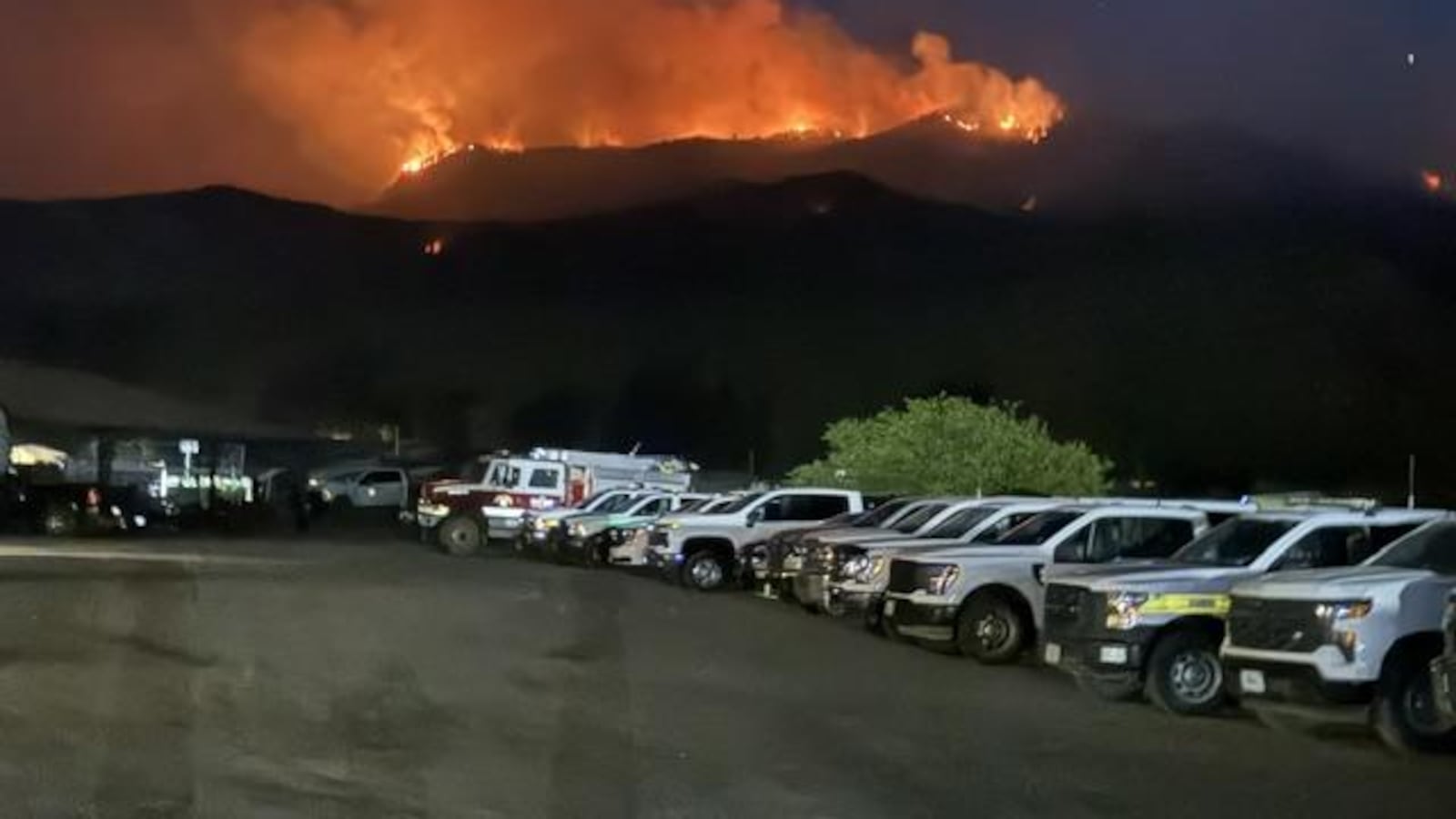
The Gold Mountain Fire, which began on June 27 near Ouray, has become one of the largest blazes currently burning in Colorado. As of Sunday evening, the fire had consumed more than 35,600 acres with only 13 percent containment. The blaze threatens the picturesque mountain community of Ouray and surrounding areas in Ouray and Gunnison counties. More than 1,000 personnel have been assigned to fight the fire. Silver Jack Reservoir, where the aircraft went down, is located in the Uncompahgre National Forest, less than 20 miles from both Ouray and Ridgway.
The crash adds to a particularly tragic period for firefighting crews in Colorado. Just two weeks earlier, three federal firefighters were killed on June 27 along the Colorado-Utah border while battling the Snyder Fire. Emily Barker, 38, of Michigan; Nick Hutcherson, 27, of Arizona; and Sydney Watson, 27, of Alabama, were members of a Helitack crew assigned to rapidly suppress new fires in remote areas. They were overcome by flames after deploying their emergency protective shelters when fast-moving fire overtook their position.
Fire managers had recently launched strategic firing operations from Pinnacle Peak toward Silver Jack Reservoir as part of efforts to create a containment line by burning available fuel back toward the main fire. These prescribed burns are intended to reduce fuel ahead of the wildfire and slow its advance, but the operations represent dangerous conditions for all personnel involved.
Authorities have not specified the exact circumstances surrounding Sunday’s aircraft crash, though the area where it occurred has been active with firefighting operations. The crash investigation will determine whether weather conditions, mechanical failure, or other factors contributed to the accident. Federal aviation authorities will likely be involved in investigating the incident.
The Gold Mountain Fire itself has not had a determined cause. It began burning approximately two miles north of Ouray on June 27 and has spread rapidly through rugged, steep terrain on public lands in the region. Mandatory evacuations remain in place for some areas of Ouray and Gunnison counties north, east, and northeast of the fire, though no evacuations have been issued within Ouray city limits.
The incident highlights the extreme risks that aerial firefighting personnel face during major wildfire operations. Aircraft used in firefighting operations navigate challenging mountain terrain and hazardous weather conditions while delivering water, fire retardant, and personnel to active fire zones. These operations are conducted in areas where visibility is often reduced by heavy smoke, temperatures are extreme, and winds can be unpredictable.
Colorado has deployed an unprecedented number of firefighting resources across the state this summer. The state invested $165 million in wildfire response and prevention efforts, including expanding its firefighting aircraft fleet. Multiple large fires have been burning simultaneously across the state, including the Aspen Acres Fire in the south, which has become one of the largest wildfires in state history, consuming nearly 87,000 acres.
The loss of life and ongoing threats from multiple major fires underscore the challenging conditions firefighters across Colorado are facing this season. Unseasonably dry conditions, record-breaking heat, and strong winds have created a tinderbox across much of the state, with fire behavior that even experienced firefighters say they have never witnessed before.