

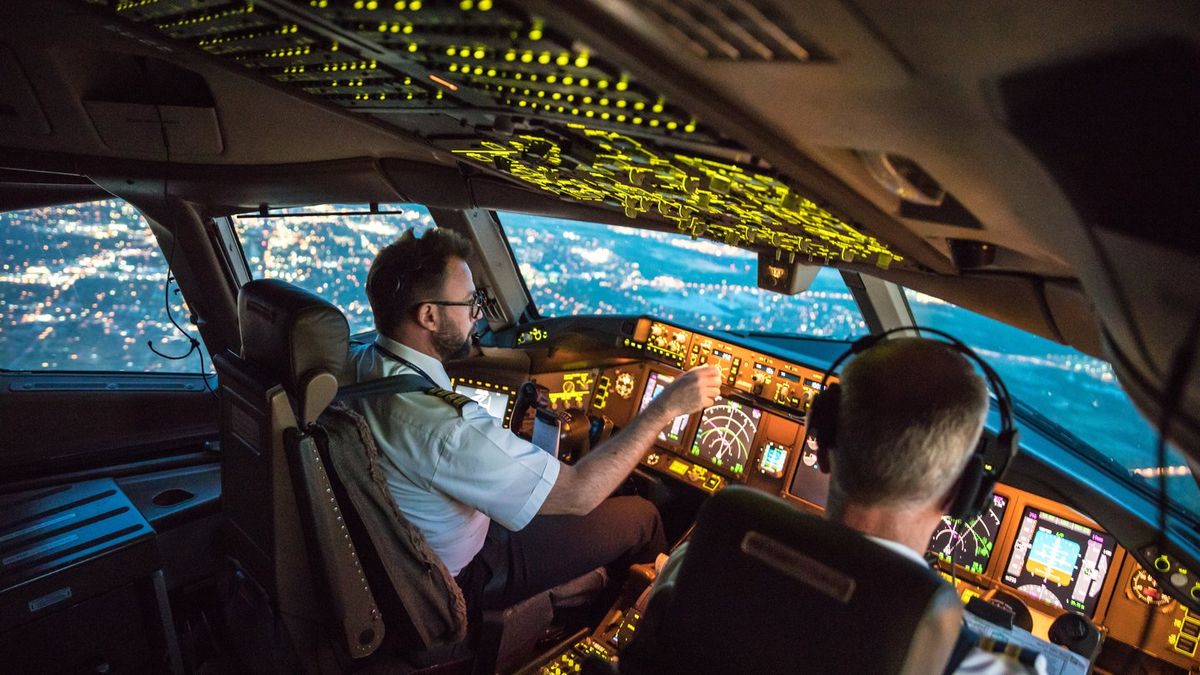
Flying is full of odd little details that leave a lot of passengers scratching their heads.
Why can’t aircraft reverse like a car? What are all the clicks, hums, and dings you hear during a flight? And what’s the deal with the tiny holes in airplane windows?
Even the basic physics of how something that heavy stays aloft can feel mind-bending.
Now there’s another surprising question to add to the list: why do some pilots clean their windshields with soda?
It sounds strange, but it does happen. A pilot even weighed in on Instagram after a video went viral showing another pilot using what appeared to be soda water on a windshield.
Visibility in the cockpit is critical, and even a small amount of grime can matter more than you’d think.
Former commercial pilot Daniel Bubb told Reader’s Digest that a tiny speck on a window can create a real hazard—particularly on flights that don’t have a Traffic Collision Avoidance System (TCAS), which warns of other aircraft nearby.
From far away, another plane can look like a dot, and a dirty mark on the windshield can make that kind of visual detection harder. That’s why a clean, clear view is more than just a nice-to-have.
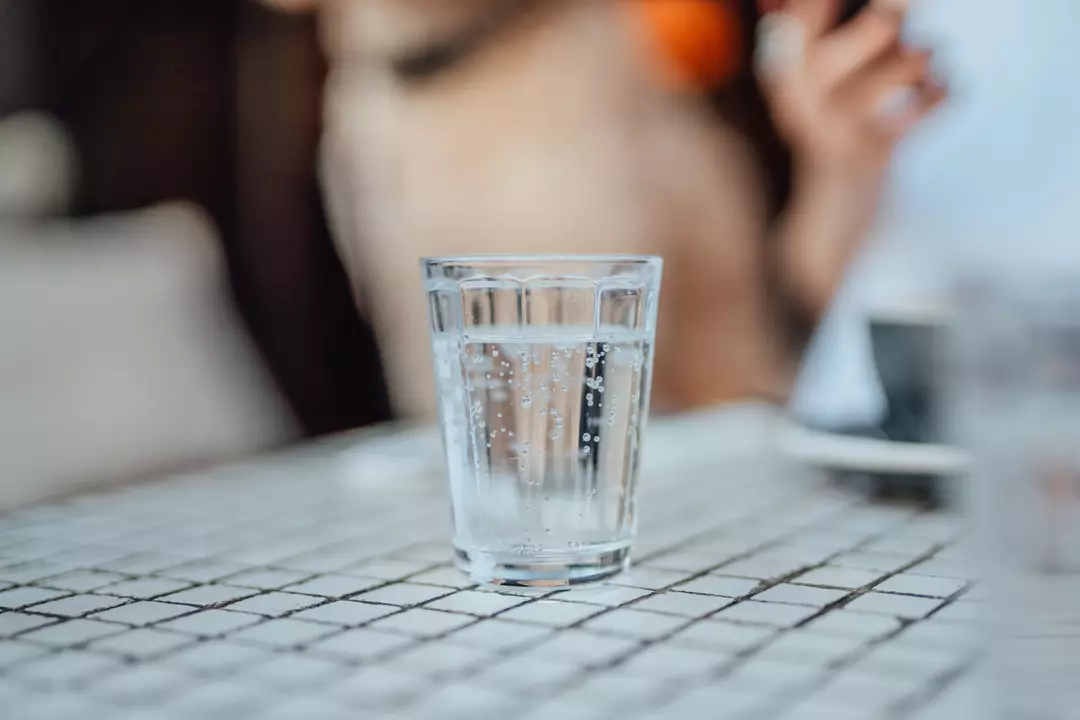
Using a fizzy drink such as Club Soda can help loosen and remove dirt and greasy buildup, thanks to carbonation and minerals in the water.
“Those little bubbles are like tiny cleaning ninjas,” Forrest Webber, owner of Bear Brothers Cleaning told marthastewart.com.
“They lift dirt, grease, and grime without leaving behind harsh residues.”
The mineral content can also help break down stubborn marks and stuck-on gunk.
Another advantage is that Club Soda (or plain sparkling water) typically doesn’t contain the heavy sugar found in many soft drinks—so it’s less likely to leave a sticky film behind.
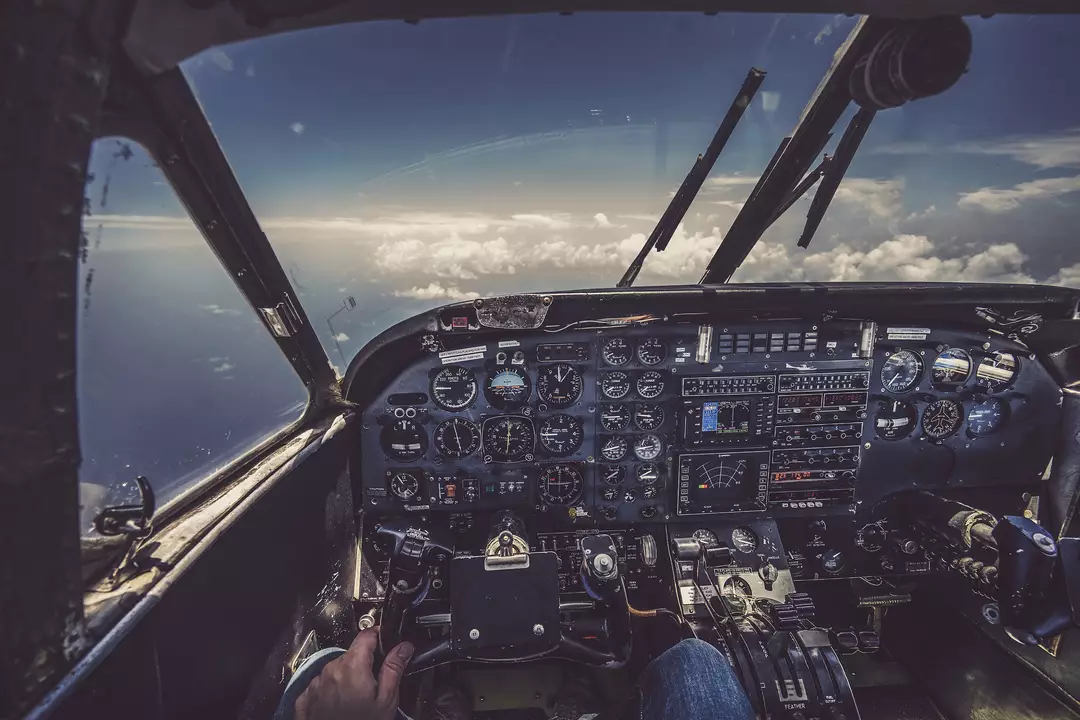
Still, what goes onto aircraft windshields isn’t something crews can be casual about. Using the wrong substance could damage the glass or any protective layers on it.
“They also often have specialized coatings for strength, anti-fogging and heat, which means they require far more care than a car windshield,” Mark Woods, co-founder and vice president of flight operations at Cirrus Aviation Services explained.
“If used at all, soda should be immediately rinsed off with clean water.”
“Personally, I’ve never used soda water, but if it works, is not abrasive and does not cause damage over time, why not use it?” Bubb added.
“There are little tricks pilots can use for different purposes, as long as they are safe, but it always is best to err on the side of caution to ensure they are using Federal Aviation Administration (FAA) and aircraft manufacturer-approved materials. Whenever in doubt, the pilots can call the ground crew to bring a windshield cleaner that is approved by the FAA.”