

Planned Parenthood and other reproductive health providers have regained access to federal Medicaid funding after a one-year ban expired on July 4, 2026. The providers can once again bill Medicaid for non-abortion services, including contraceptive care, cancer screenings, sexually transmitted infection testing and treatment, and other preventive health services.
The funding cutoff was part of the One Big Beautiful Bill Act, which President Trump signed into law on July 4, 2025. The legislation included a provision that banned Medicaid reimbursements for one year to any nonprofit that performed abortions and received more than $800,000 in Medicaid funding in 2023. Due to Senate rules used to pass the bill, the ban was limited to just one year rather than the original 10-year proposal.
Three major healthcare providers were affected by the defunding: Planned Parenthood, Health Imperatives in Massachusetts, and Maine Family Planning. Together, these organizations serve patients across 39 states. Planned Parenthood alone stood to lose approximately $800 million annually in Medicaid reimbursements under the provision.
The year-long defunding took a significant toll on reproductive healthcare access across the country. Planned Parenthood reported that 20 of its clinics closed nationwide, while additional clinics ended primary care services. Across all affected providers, 57 clinics in 20 states either shut down or consolidated with other sites since January 2025. In Maine, providers ended primary care at three clinics and cut staff. In Louisiana, Planned Parenthood closed its only two remaining clinics, which had served the state for more than 40 years.
The closures disproportionately impacted rural and underserved communities that already face significant barriers to healthcare access. A 60 percent majority of Planned Parenthood health centers at risk of closure were located in medically underserved areas or rural regions, according to data released before the defunding took effect. In some states, Planned Parenthood clinics provided the only readily available reproductive health services for low-income patients.
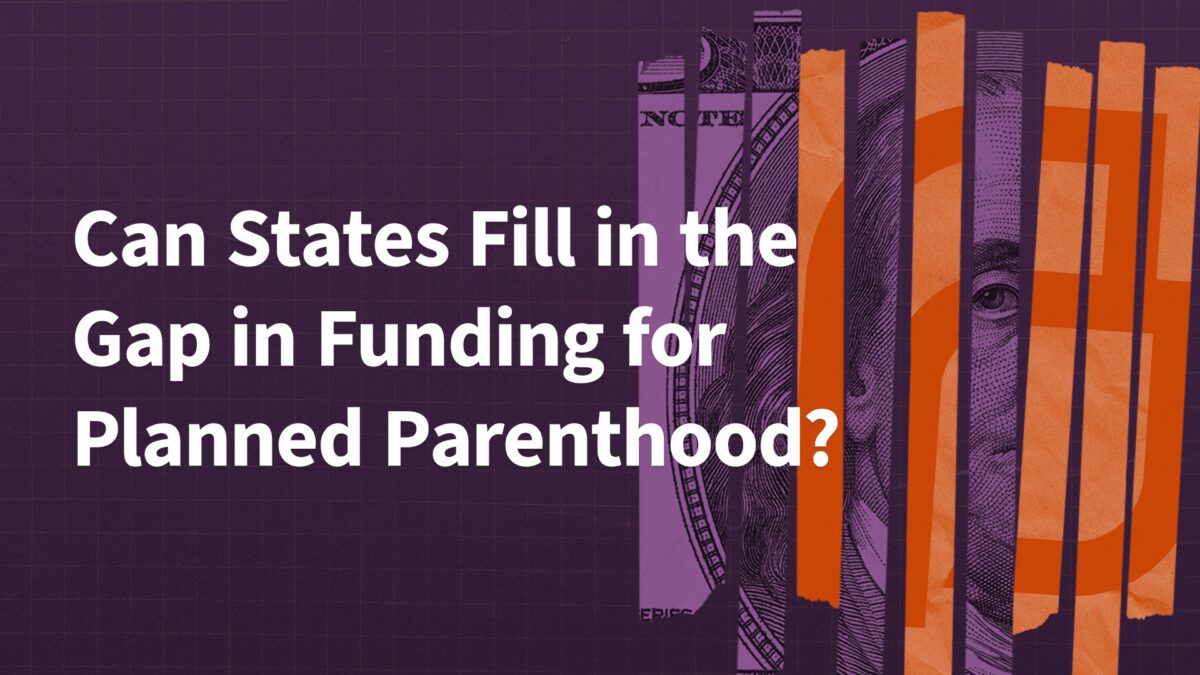
During the funding ban, providers employed various strategies to continue serving Medicaid patients. Some organizations provided services free or at reduced cost, with Planned Parenthood alone offering free care to 100,000 Medicaid patients in September 2025 alone, covering an estimated $45 million in health costs. Eleven states also stepped in with their own funding to help bridge the gap, allocating more than $400 million combined to keep the providers operational. California announced over $140 million in state funding, while New Jersey allocated $8 million and Connecticut committed $8.5 million.
The defunding came following a Supreme Court decision in June 2025 allowing states to exclude Planned Parenthood from their Medicaid programs. Though the federal one-year ban has now expired, this Supreme Court ruling means some states could still independently choose to restrict Medicaid funding to the organization.
Anti-abortion groups expressed disappointment that Congress did not extend the defunding provision before the July 4 expiration. Despite calls from abortion opponents to renew the ban, congressional Republicans, facing slim majorities and competing priorities, did not take action to extend it before going on summer recess. Anti-abortion advocates have indicated they may push for renewed defunding efforts in future legislation.
The end of the federal ban represents both relief and uncertainty for providers and patients. Eleven states that used their own funds during the year will now be able to receive federal Medicaid matching funds again, freeing up state resources. However, reproductive health advocates worry about additional threats to funding, including a Title X family planning program that has already lost significant grants and could face further restrictions.
Over half of Planned Parenthood’s patients rely on Medicaid for healthcare coverage. Medicaid beneficiaries visited Planned Parenthood clinics for contraceptive services, STI testing and treatment, gynecological care, cancer screenings, and other preventive health services. Before defunding took effect, approximately 50 percent of visits to Planned Parenthood health centers were from Medicaid patients, though visits from Medicaid enrollees dropped 25 percent after the ban went into effect.
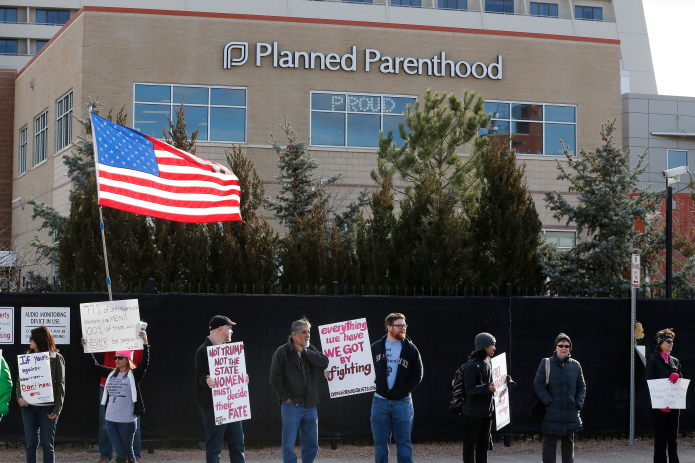
Planned Parenthood Federation of America president and CEO Alexis McGill Johnson stated that while the restoration of federal funding is welcome, it does not undo the damage caused by the year-long defunding. The organization warned that it has endured significant financial strain and that the closure of clinics and loss of staff reflect a reduction in the nation’s reproductive healthcare capacity.
The return of Medicaid funding comes as the abortion access landscape continues to shift across the country. Following the Supreme Court’s 2022 decision allowing states to restrict abortion, numerous states have passed restrictions or bans. Meanwhile, other states have moved to protect or expand abortion access. This patchwork of state laws, combined with federal funding challenges, continues to reshape reproductive healthcare access for millions of Americans.