

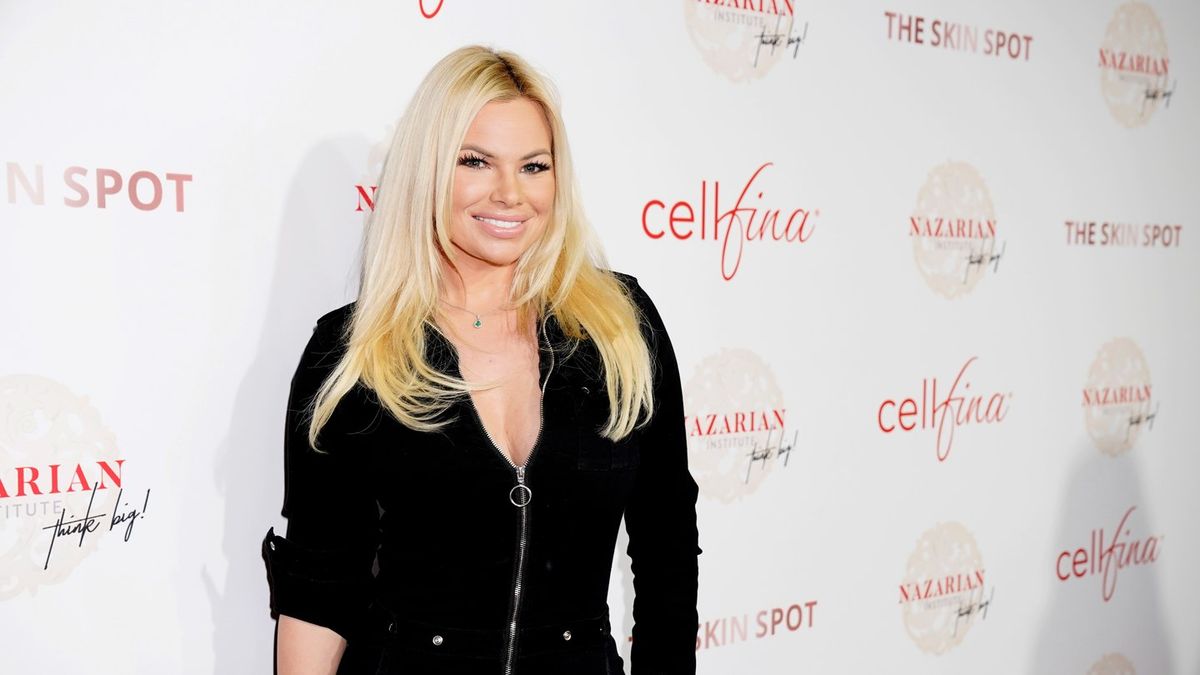
A Playboy model has spoken candidly about how a devastating personal setback ultimately left her without a home.
Kourtney Reppert rose to prominence as a model for the iconic magazine, enjoying a high-profile social scene that included parties at the Playboy mansion and time around well-known celebrities.
Now 39, Reppert has described how that outwardly glamorous chapter masked a far more complicated reality, and how the pressure to maintain a certain image took its toll.
Speaking to the Daily Mail, she said: “From the outside, it looked like I had everything. But perfection is exhausting. And it doesn’t protect you when everything falls apart.”
In the early 2000s, when the Playboy brand carried enormous cultural influence, Reppert’s career put her in elite circles and helped cement her status as a rising star in the modeling world.

But she says the lifestyle was built on a narrow kind of validation—one that centered on appearance rather than identity or stability.
She said: “You’re valued for how you look, not who you are. And when that’s the foundation of your identity, it’s incredibly fragile.”
That fragility became impossible to ignore in 2018, when disaster struck close to home.
The Woolsey Fires tore through parts of California, and Reppert’s home was among the properties destroyed.
She said: “I had to start again with nothing. No safety net. No brand. No plan. Just resilience.”
As she rebuilt, she reflected on how easy it is for people to confuse beauty and visibility with long-term security—and how quickly circumstances can change.
“People assume being beautiful means being secure. It doesn’t,’ she said.
“Beauty fades, trends change, and if that’s all you’ve invested in, you’re left vulnerable.”

After losing her house and possessions, she was left without stable housing, moving between hotels as she tried to figure out her next steps.
In the aftermath, Reppert began shifting her focus away from modeling alone, turning instead toward business projects and philanthropic work as she worked to create a more sustainable foundation for herself.
Looking back, she says the experience also reshaped how she thinks about long-term plans—especially the expectation that teenagers should know exactly what they’ll do for the rest of their lives.
She said: “The idea that you choose one path at 18 and stick to it forever is unrealistic.
“Especially for women, who often have career breaks, caregiving responsibilities or industries that simply don’t last.”
Reppert added that she now hopes to use what she’s learned to support other women, encouraging greater independence and self-reliance.