


Calls to poison control centers in the US tied to GLP-1 medications have surged in recent years, with researchers concluding that the increase is largely being driven by two preventable dosing errors rather than intentional misuse.
According to research published in the Journal of Medical Toxicology, reports involving GLP-1 drugs, especially semaglutide, rose steeply after the FDA broadened approval of the medication in 2021 to include weight management.
Prior to that decision, annual calls linked to these drugs generally ranged from about 1,000 to 1,500.
That total climbed dramatically by 2023, exceeding 8,000 cases, most of them involving semaglutide.
The study was headed by Jordan Miller, who noticed the trend while she was still an undergraduate at UT San Antonio, working with mentor David Han.
Together, they wanted to determine whether the increase merely happened around the same time as the FDA decision or whether wider approval directly contributed to the rise in poison center reports.
“When the GLP-1 drugs are being sold to diabetic patients, that’s a completely different story versus when the drug is used for weight management,” Han said to UT San Antonio today.
“So, we had to quantify this evidence to show that it stemmed from the FDA approval and how to contain the risk. We need to better educate the public because how this drug behaves in our body and its long-term safety are not yet fully understood.”
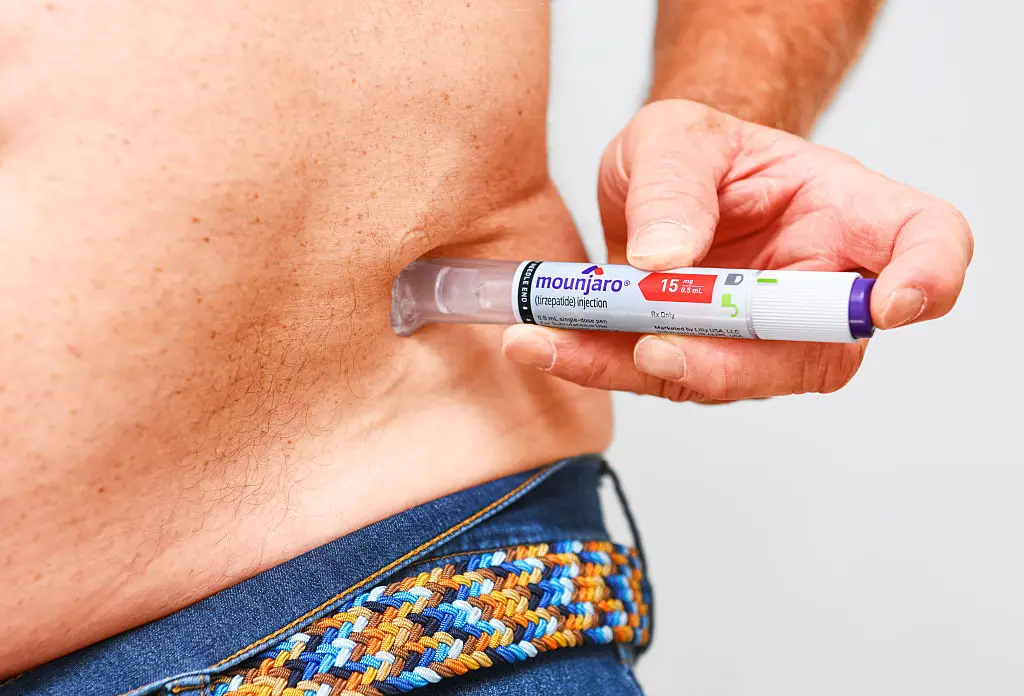
The analysis found that most of the calls were not related to people deliberately taking too much.
Instead, researchers identified two recurring mistakes among people new to the medication.
One of the most common issues was patients using semaglutide every day even though it is intended to be injected just once a week.
The other was skipping the step-by-step increase in dosage and starting immediately at the highest dose, which can sharply increase the chance of side effects and other harmful reactions.
“Can you imagine something you’re supposed to trickle up to, and you’re going full blast and seven times more often than you’re supposed to?” Miller said.
The researchers said the confusion appears to stem from how quickly the drug moved from being a relatively specialized diabetes treatment to one widely recognized by the public, bringing in many first-time users with little understanding of proper dosing.
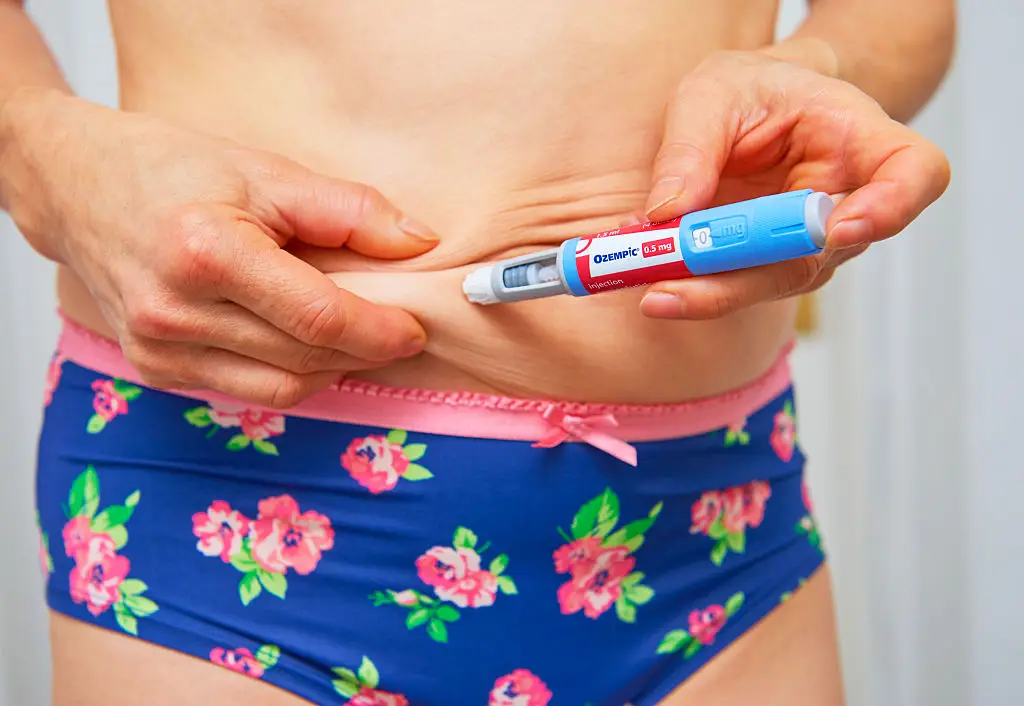
Han and Miller are not arguing for tougher access rules. Instead, they say the better solution is making instructions much clearer before patients begin treatment.
They believe doctors, pharmacists, and drug manufacturers all need to help ensure that people understand the dosing schedule from the outset.
That warning has taken on added urgency as GLP-1 drugs have continued to expand beyond semaglutide alone. Along with prescription brands such as Ozempic and Wegovy, newer medications in the same class have also surged in popularity, and FDA guidance has warned that compounded semaglutide products can create additional opportunities for dosing mistakes because concentrations, containers, and measuring instructions may differ.
The FDA says approved semaglutide injections are designed for once-weekly use and recommends following the dose-escalation schedule to reduce the risk of gastrointestinal side effects. It has also warned that overdose symptoms can include severe nausea, vomiting, and low blood sugar, and that the medication’s long half-life may mean symptoms last longer than patients expect.
Public health experts say the rise in calls is a reminder that the biggest risk for many first-time users may not be intentional abuse, but confusion over how these medications should be taken.
“This work demonstrates the quantified impact of these drugs on public health,” Han said.
“Statistics, data science, analytics, machine learning, and AI are meant to help people.
“We use them to transform data from any field into meaningful insight and informed action. Without that focus, it becomes hollow, numbers without a real impact.”