

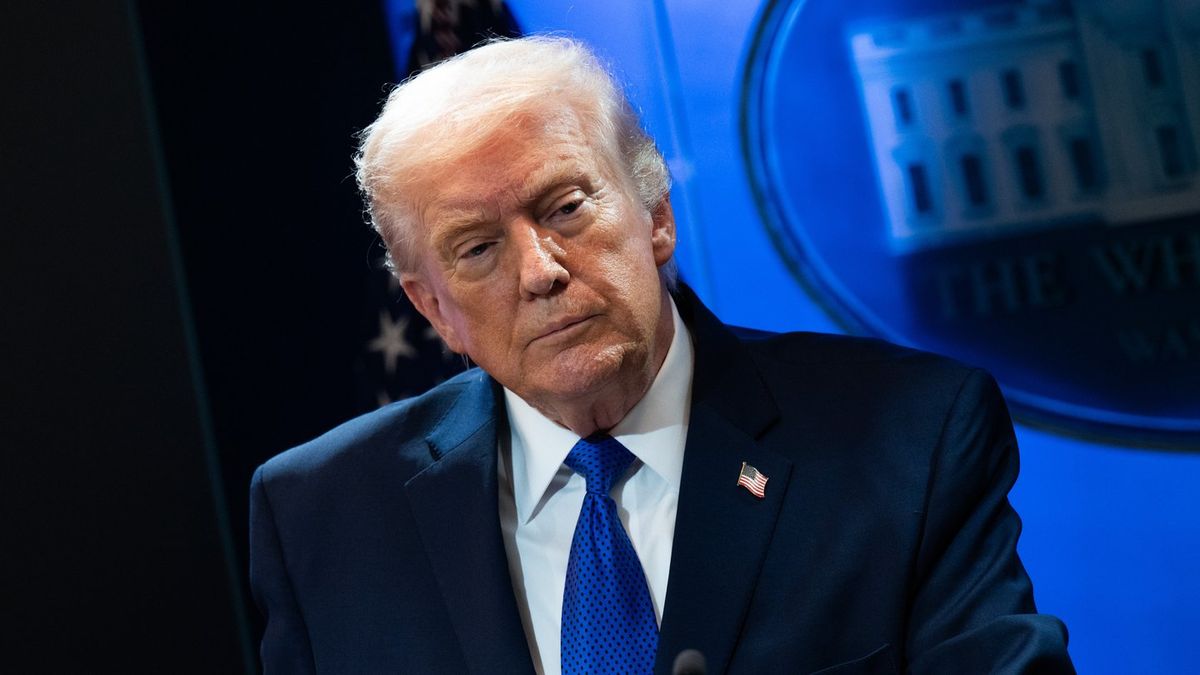
President Trump opened a new front in the Middle East on Saturday, after US and Israeli missiles struck Iran in what was initially described as a ‘preemptive strike’ against a regional rival.
Officials and analysts now indicate the opening barrage was intended to cripple Iran’s leadership structure. Early reports suggest the operation exceeded expectations, killing the country’s religious leader, Ayatollah Khamenei, along with as many as 40 other senior figures.
While the move aligns with the force-first approach that has defined Trump’s second term, critics argue the action raises major legal questions. Concerns have been voiced that the strike could run afoul of the US Constitution, the War Powers Resolution, and long-standing international rules governing attacks on other states.
In the absence of clear legal authorization, the White House may seek broad political backing similar to what followed the initial stages of the wars in Iraq and Afghanistan. However, a new Ipsos/Reuters poll suggests the public may be wary of another deep foreign entanglement.
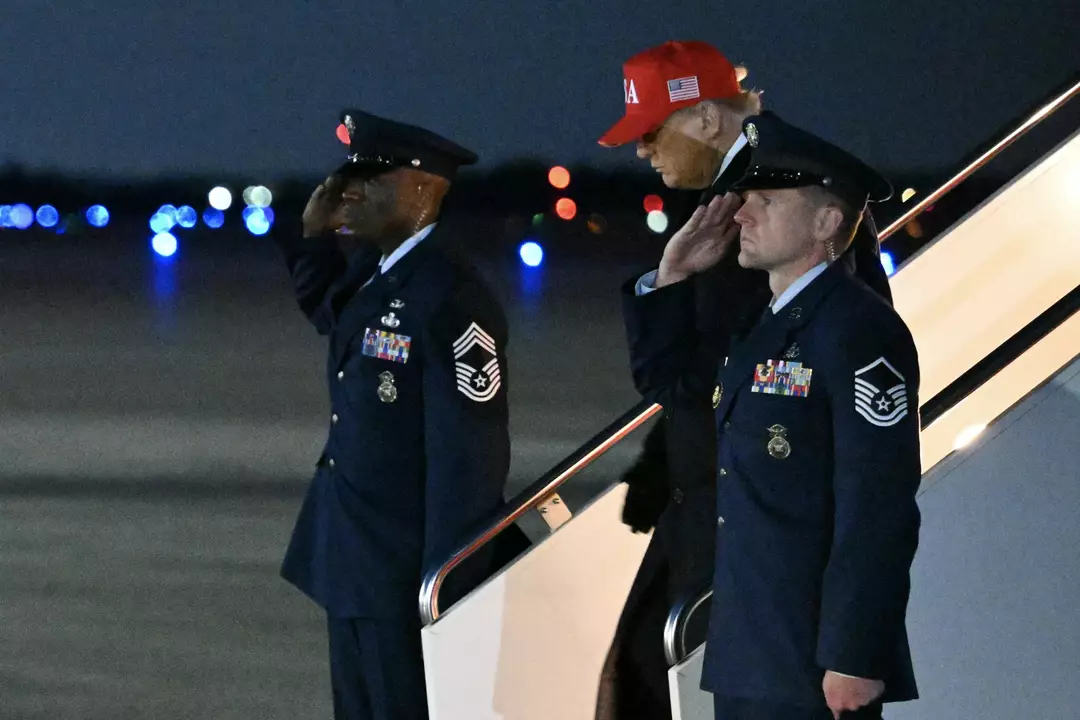
The sentiment marks a shift from Trump’s first presidential campaign, when he criticized interventionism and said ‘regime change is a proven, absolute failure,’ arguing the US should “stop racing to topple foreign regimes.”
According to the Ipsos/Reuters survey, only about a quarter of Americans support Trump’s decision to attack Iran without broader authorization (27 percent). A larger group said they oppose his use of military force (43 percent), while 29 percent said they were unsure.
Responses also broke sharply along partisan lines: around three-quarters of Democrats said they disapprove, while 55 percent of Republicans said they approve. The polling was conducted before Trump announced on Sunday that three US service personnel had been killed on the conflict’s first day.
With Congress returning today and discussions beginning that are expected to culminate in a vote on presidential war powers, it remains uncertain whether the bleak public mood will translate into meaningful resistance from lawmakers.
Retired Air Force Lt. Col. Rachel VanLandingham, who was the chief international lawyer for US CENT COM, told the Intercept: “Not only does this violate international law in numerous respects, it clearly violates the U.S. Constitution and the War Powers Resolution.”
Even so, Congress faces a major procedural hurdle. Although the Constitution grants lawmakers the power to declare war, any effort to restrict the president’s actions would likely meet a veto. Overriding that would require a two-thirds majority in both chambers.
That threshold would force large numbers of Republicans in the House and Senate to vote against the president during an active conflict—an outcome widely seen as improbable, even if lawmakers have misgivings about how the operation began.
The survey also pointed to broader doubts about whether Trump, who presented himself on the campaign trail as a peacemaker, is now involving the country in too many confrontations—after strikes in Syria, Nigeria, and Venezuela in recent months.
More than half of respondents said the president is too quick to choose military action (56 percent). That view was overwhelmingly held among Democrats (87 percent), while only 23 percent of Republicans agreed, the poll found.
Still, the data suggests potential political risk for the White House if escalation continues. As Iran retaliates across the region, 42 percent of Republican respondents said they might withdraw support for Trump’s approach if it leads to ‘US troops in the Middle East being killed or injured’.